Patriotism, the global village, and the World Cup
Even those with limited interest or experience with the world of soccer, the World Cup offers an unique opportunity for unity.

A right of passage for many suburban families is filling the minivan with sports gear. For soccer families this means finding shin guards all over the house, realizing the jersey for game-day never made it into the dryer, and the familiar click-clack of cleats running out the door. My family’s own short soccer phase was punctuated by my brother performing somersaults and air guitar solos on the field as his team’s keeper.
My limited personal soccer history doesn’t detract from my interest in watching the World Cup and more importantly, what it represents. What makes an event like the World Cup so special is the culmination of competition between so many different countries. Some countries share very little besides their humanity. The World Cup demonstrates the universality of the human condition and has the power, despite language barriers, distance, or cultural norms, to unite us all. The essence of this truth is rooted in the reality that every person is a soul that is made in the image and likeness of God.
C.S. Lewis put it best:
“It is a serious thing to live in a society of possible gods and goddesses… All day long we are, in some degree, helping each other to one or other of these destinations [heaven or hell]. It is in the light of these overwhelming possibilities, it is with the awe and the circumspection proper to them, that we should conduct all our dealings with one another, all friendships, all loves, all play, all politics. There are no ordinary people. You have never talked to a mere mortal. Nations, cultures, arts, civilization—these are mortal, and their life is to ours as the life of a gnat. But it is immortals whom we joke with, work with, marry, snub, and exploit— immortal horrors or everlasting splendours.”
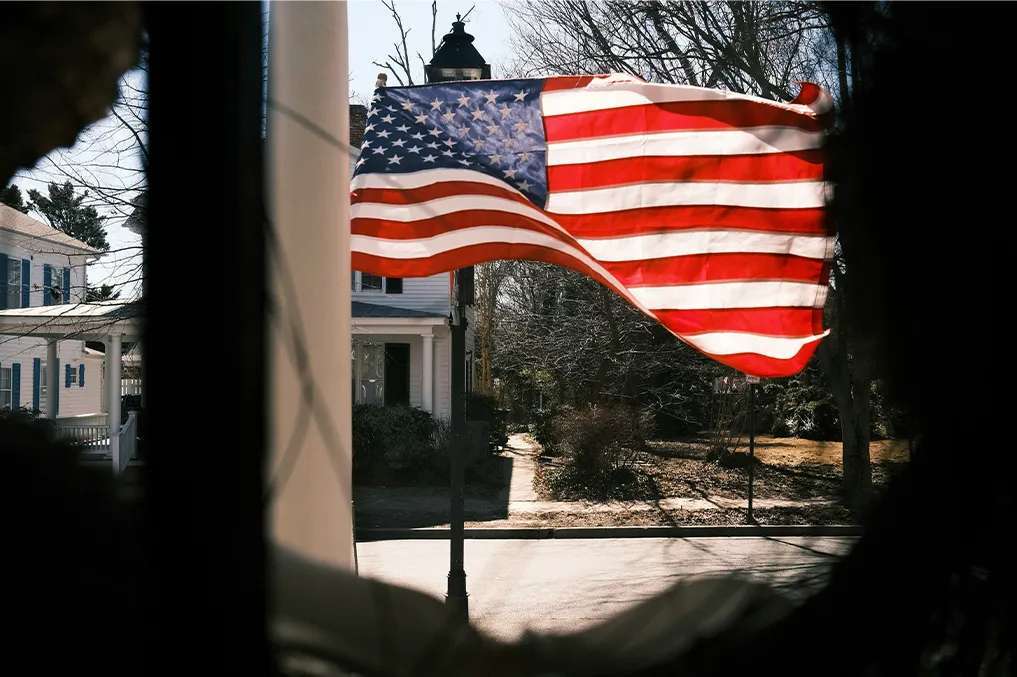
The modern shame of patriotism
A global event like the World Cup cannot exist without patriotism; that’s the point of these countries competing and sharing their culture through sport. The global village cannot exist without individuality and uniqueness. Neither can diversity.
I can only speak on behalf of Gen-Z; however, there seems to be a trend of unspoken patriotic shame to be from the United States. We can simply look back in our history when we didn’t live up to the true American dream: slavery; political conflict and distrust during the Watergate scandal and Vietnam; and in more recent times, the Epstein files, medical malpractice, and how law enforcement has sometimes conducted itself (to list a few). It can even be found in a resentment of consumerism, hustle culture, streaming-service conglomerates, and the pesticides found in our food.
As a young country, we have been building the plane as we’re flying it and setting new courses while already in the air, but not all of those courses have lived up to the ideal of what the United States represents.
This patriotic hesitancy comes from having a conscience but also recognizing the need to do better than our predecessors and strive to keep our unalienable rights — life, liberty, and the pursuit of happiness. However, some voices champion the belief that years later, we have an obligation to make reparations for the errors of generations past without acknowledging the real and good progress made toward forming a more perfect union.
Many of these attempts try to rewrite history and patriotism all together. Equality, inclusivity, and tolerance, while not in and of themselves bad, become nothing more than blanket virtues and slogans that don’t actually solve complex root issues. Some think that throwing out the whole system and starting from scratch will fix things. However, despite initial good intentions, history proves otherwise from the Bolsheviks in Russia to Che Guevara and Fidel Castro in Cuba.
We need patriotism. Without that, the global village becomes homogenous. We can see this happening with the internet, a resource that’s truly connecting everyone globally. Somewhere along the way, Americans have been fed the same narratives online: how to dress, what to pay attention to, how to think, and what to value. A patriot doesn’t just blindly go along with the crowd, they rebel against injustice and homogeneity, and strive for a better future. A true patriot defends his country’s highest ideals, serves and respects her fellow citizens, and stands up for freedom. They don’t pretend the bad doesn’t exist, but they do their part to think critically, no matter which side of the aisle they find themselves.
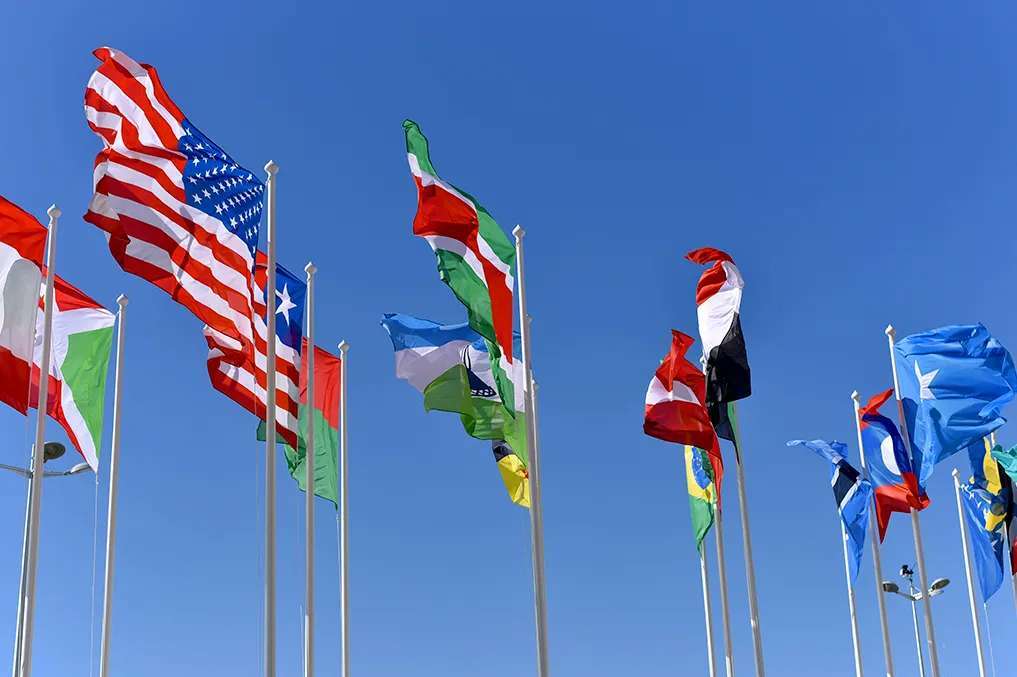
We are 26: International unity and hope
The World Cup represents an opportunity to reclaim the best of humanity, while reverencing true diversity, patriotism, and global unity. An event on the world stage like the Olympics or the World Cup brings hope and community. It represents an ideal on multiple fronts. Each individual country symbolically shares with the world their inherent human dignity and loyalty to their country and cultural values.
The countries coming together while standing strong in their unique identities is diversity at its finest. We can set aside politics for the love of the game. We are reminded through sportsmanship that we can respect others, find common ground, and strive for excellence in healthy competition.
Being part of the global village doesn’t mean you have to sacrifice your beliefs. We can reclaim what it means to be truly human through shared tradition, independent thinking, and true community. If you’re tuning in on your TV at home or going to watch the game at a party or bar with friends, you’re not alone. Millions of other people are sharing this experience with you because futbol unites the world.


Comments