Pentecost: The day the Holy Spirit empowered the Church
Celebrated 50 days after Easter, Pentecost commemorates the Holy Spirit’s descent upon the apostles, marking the birth of the Church and empowering once fearful followers to boldly proclaim the Gospel.

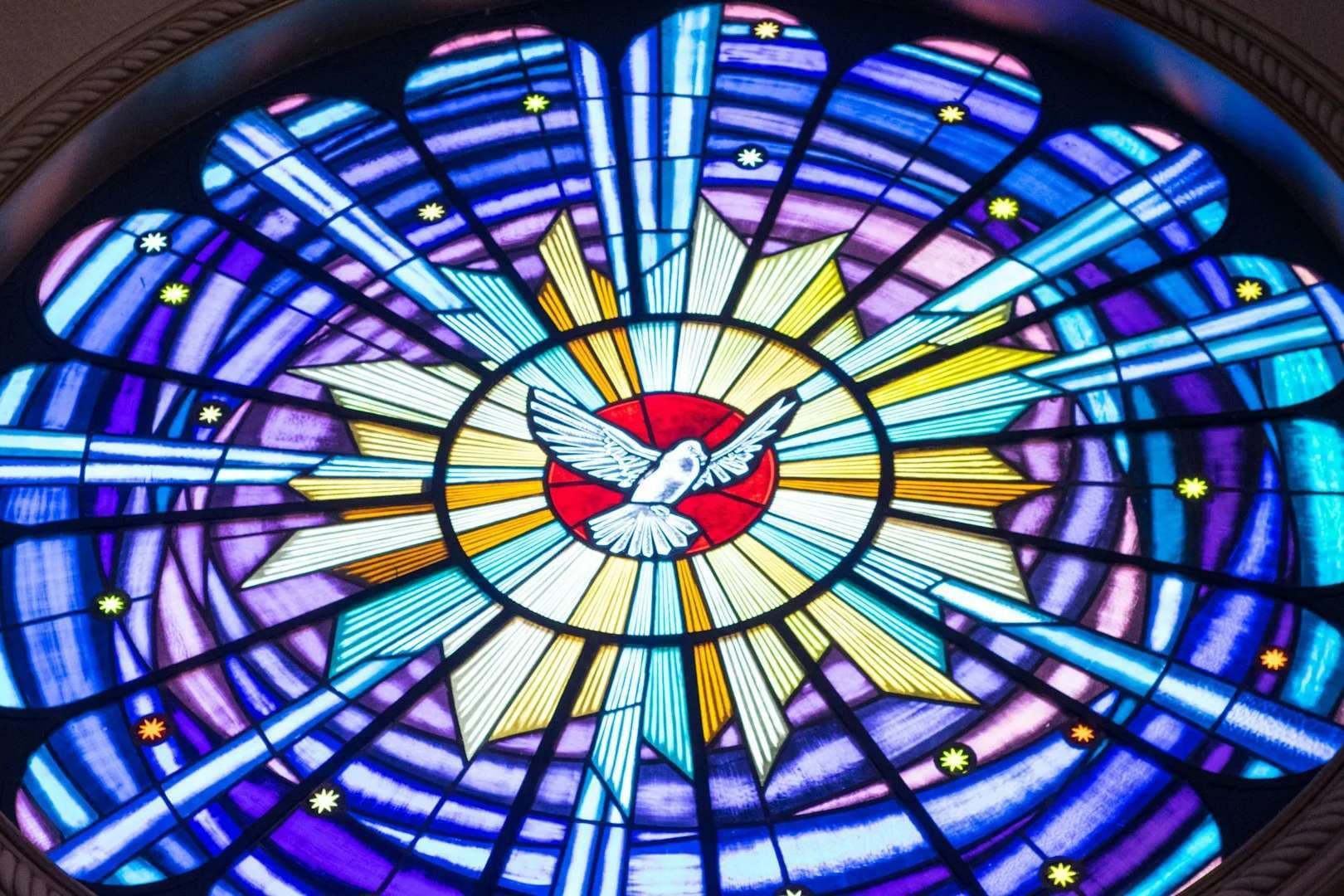
Celebrated 50 days after Easter, Pentecost commemorates the Holy Spirit’s descent upon the apostles, marking the birth of the Church and empowering once fearful followers to boldly proclaim the Gospel.
According to the Catechism of the Catholic Church, Pentecost reveals the fullness of the Holy Trinity and the Church’s mission of evangelization.
As the culmination of the Easter season, Pentecost marks the fulfillment of Christ’s promise to send the Holy Spirit. Before his Ascension, Jesus told His disciples: “It is for your good that I am going away. Unless I go away, the Advocate will not come to you; but if I go, I will send him to you.” (John 16:7).
In the Acts of the Apostles, the Holy Spirit descends upon the apostles gathered in Jerusalem following Christ’s Ascension, appearing as a strong, driving wind and tongues of fire. Filled with the Holy Spirit, the apostles began speaking in different languages, allowing people from many nations to hear the Gospel in their own tongue.
The word Pentecost comes from the Greek word pentēkostē, meaning “fiftieth.” According to Catholic Answers, the feast also has roots in Shavuot or the Feast of Weeks, the Jewish celebration held 50 days after Passover that commemorates the harvest and the giving of the law at Mount Sinai.
Pentecost is often viewed as a reversal of the Tower of Babel described in Genesis. After humanity sought to “make a name” for itself by building a tower reaching heaven, God multiplied languages, creating division among peoples. At Pentecost, however, people from many nations heard the apostles proclaiming the Gospel in their own tongues, revealing the unity brought through the Holy Spirit.
Fire symbolizes what the Catechism describes as the “transforming energy of the Holy Spirit’s actions,” through which Christians receive new life in communion with the Lord Jesus Christ through Baptism.
Catholics around the world celebrate Pentecost with Masses often marked by the color red, symbolizing the fire of the Holy Spirit. The solemnity concludes the Easter season and recalls the Church’s continuing mission to proclaim the Gospel to all nations.
Reflecting on Pentecost in his “Catechism in a Year” podcast, Father Mike Schmitz said the apostles received not only the power to preach and perform miracles, but also “the power to actually give witness” to Jesus Christ through the way they live, love, and forgive others.



Comments