Pope Leo gives Eastern Synods ability to remove patriarchs in event of ‘irreconcilable rift’
The change specifies the Pope must give his assent if a Synod of Bishops recommends the removal of a patriarch, while recognizing the synod’s particular capability to assess the situation because of its closeness to the patriarch.

.jpg&w=3840&q=75)
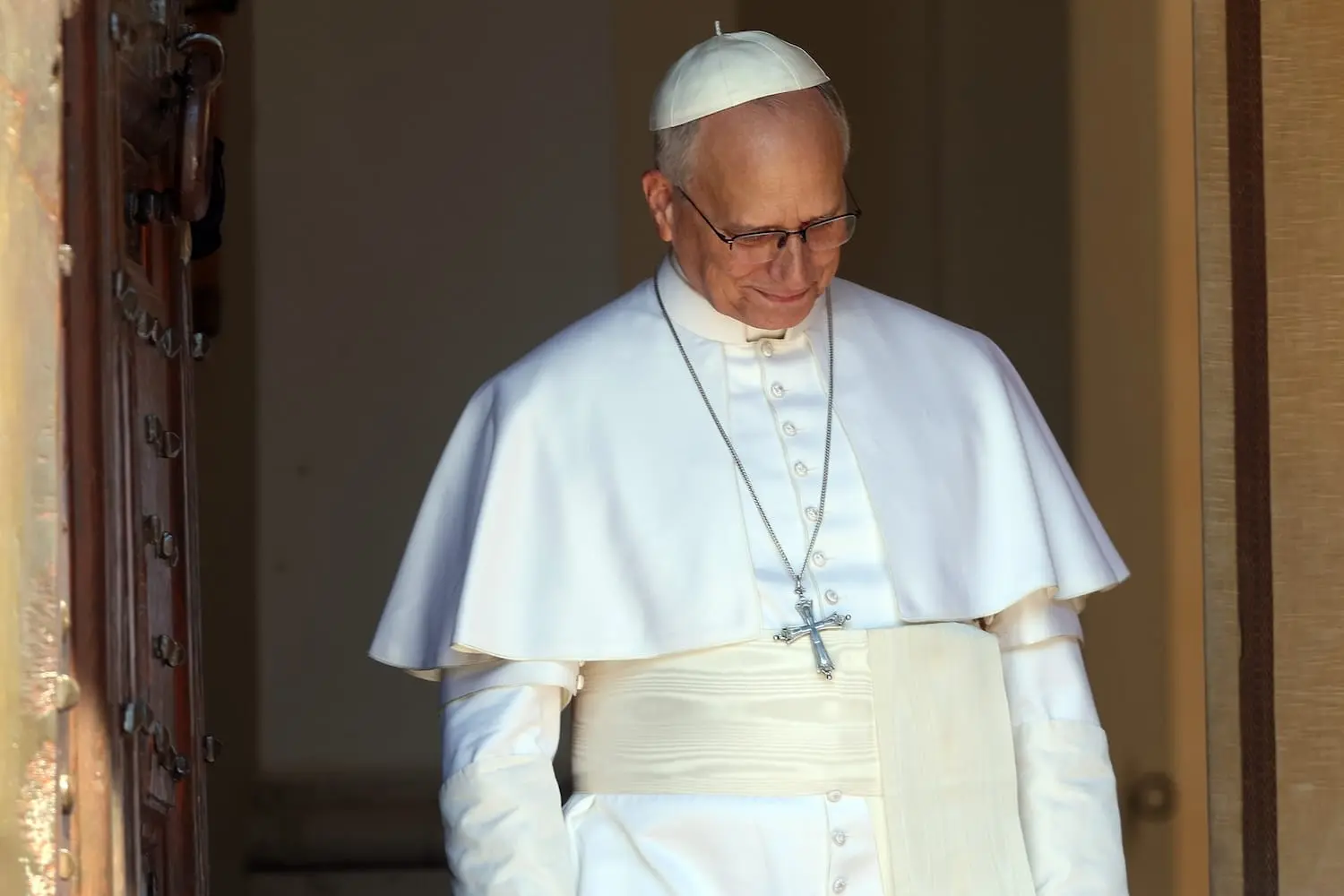
Pope Leo XIV has amended two canons in the Code of Canons of the Eastern Churches, granting the synods of bishops the faculty to remove their respective patriarchs from office in grave situations.
He issued the amendments of canons 106 and 126 through an apostolic letter motu proprio Aug. 29 available in Italian and Latin. According to Vatican News, the Synod of Bishops is able, through “an orderly procedure,” to remove a patriarch in the event their relationship is irreparably compromised for serious reasons so the synods can “restore the wounded the wounded communion.” The process must follow the stated norms and guarantees that the patriarch has the right to a full defense before the synod.
“Given that in the Eastern Churches there exists a close relationship uniting the Patriarch – who presides over his patriarchal Church as father and head, tamquam pater et caput – and the Synod of Bishops, which he himself convokes and leads, a harmonious relationship between them is essential for a fruitful ecclesial life, in the unity of the Spirit and in the sole interest of the Church itself, the motu proprio says,” Vatican News reported.
The outlet noted that the Code of Canons of the Eastern Churches did not have a clause addressing the potential event of irreparably compromised communion between the patriarch and the other bishops. The motu proprio establishes a process to be followed “in the event of an irreconcilable rift between the patriarch and the synod, should the patriarch fail to resign,” Vatican News reported. The synod is required to outline the grave reasons that led to the rift, determine who must convene the synod to vote on the patriarch’s removal, specify the number of votes required for this, and ensure the safeguarding of the patriarch’s rights of defense.
According to the outlet, the synod may request the patriarch to resign from office if there is grave cause. If he does not resign, according to the amended canon, the most senior-ordained bishop who is entitled to vote will establish the election of a new president by the synod; subsequently, the new president will hold a vote requiring a two-thirds majority of the voting synod members regarding the removal of the patriarch. The president is also responsible for informing the pope, who must give his assent of the patriarch’s removal.
“The Pope’s provisions are intended to enhance the prerogatives of the Synod of Bishops of the Eastern Catholic Churches,” Vatican News reported, “endowing them with a new power consistent with their nature as Churches sui iuris [of his own right] and restoring to them that which originates within them, since they are better placed to understand and assess the situation, whilst reserving for the Roman Pontiff a role of guarantor.”
The outlet notes that the provisions in the motu proprio apply by their nature to the major archiepiscopal Churches, who are shepherded by major archbishops rather than patriarchs.






Comments