Pope Leo: Sacred music composers must ‘know and preserve the musical heritage of the Church’
The Pontiff highlighted that sacred music during Mass is not simply a decorative additional aspect but a prayer that is part of the liturgy itself.

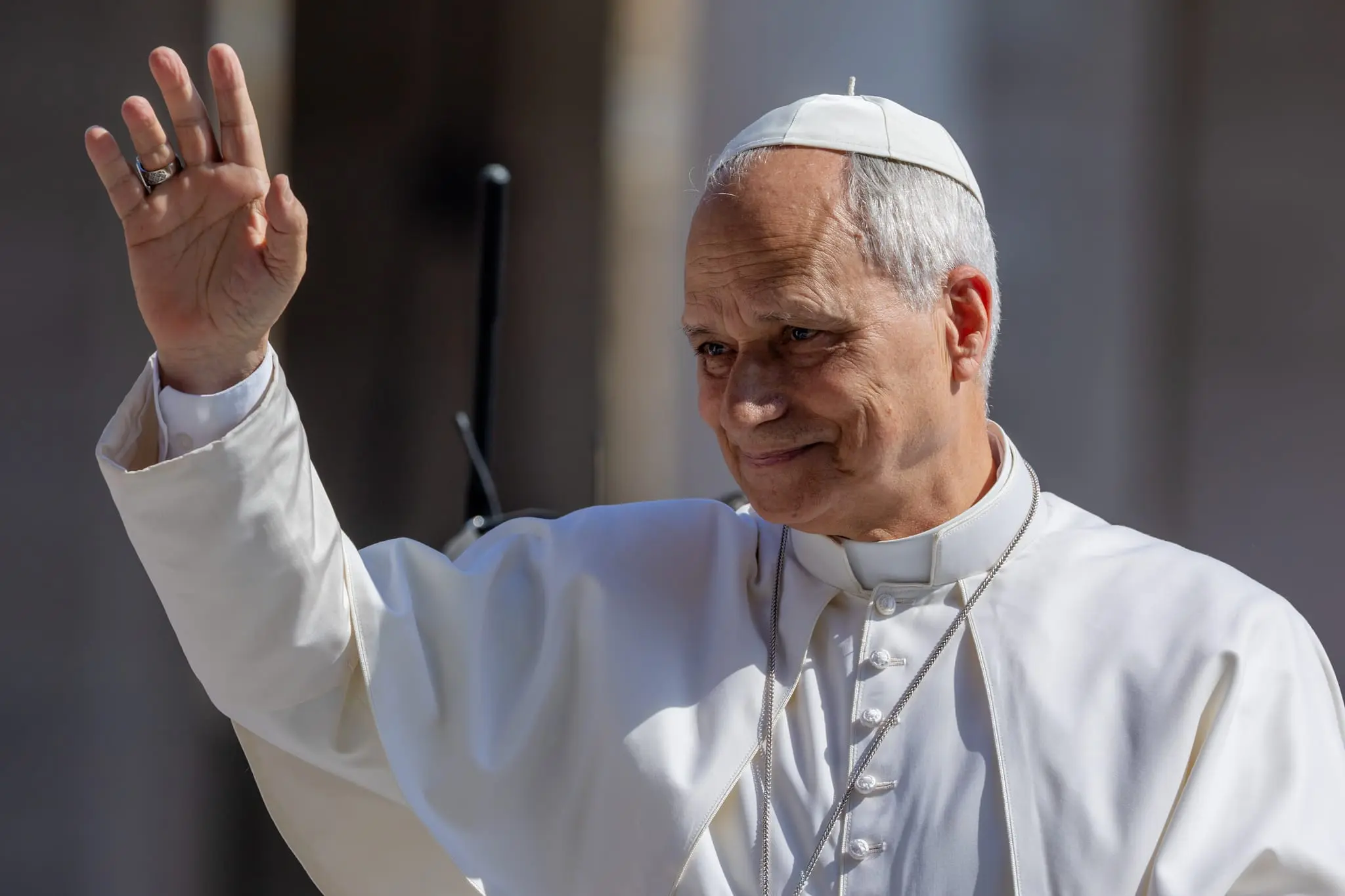
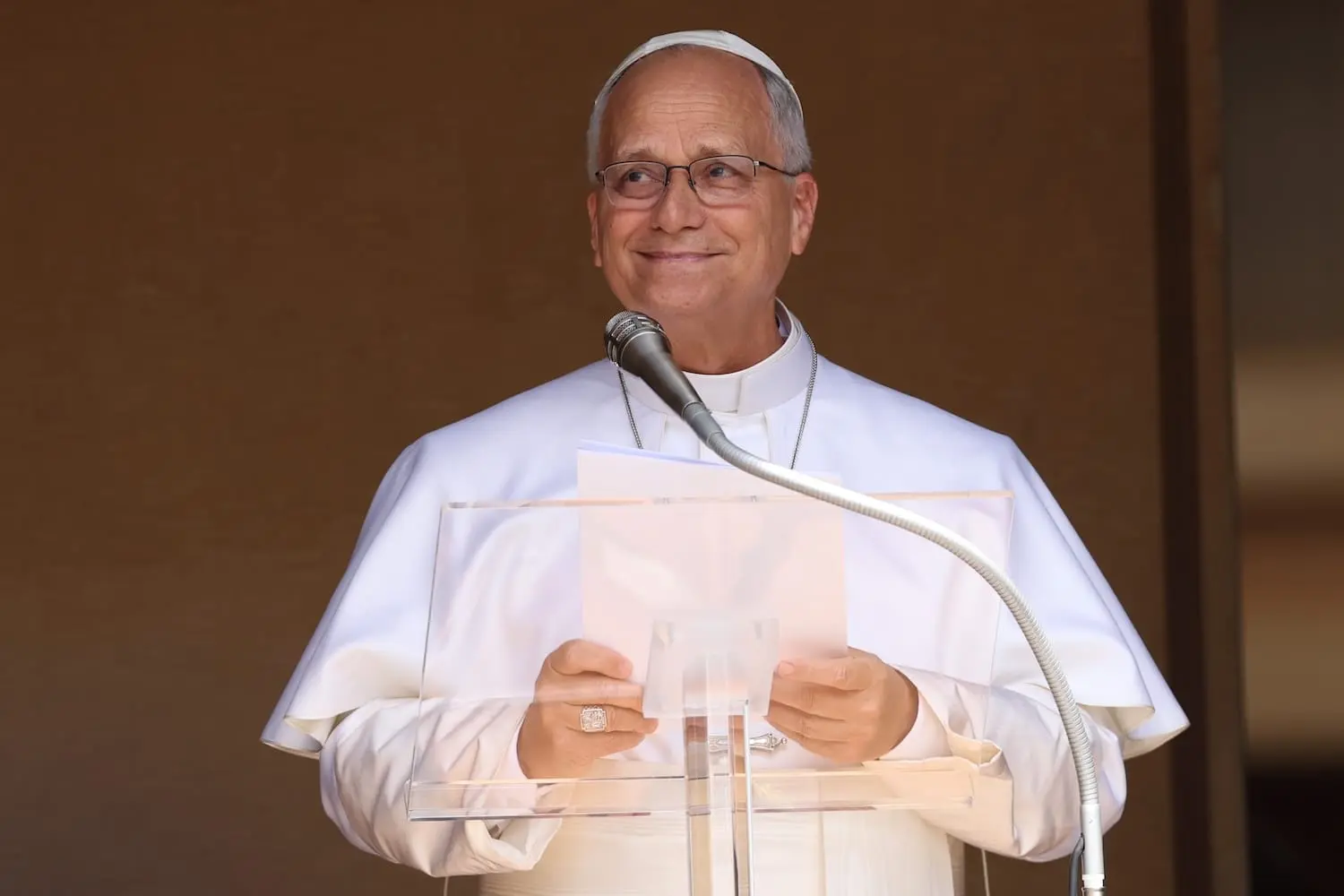
Pope Leo XIV reflected in his Aug. 19 General Audience on the role sacred music has in the liturgy, encouraging the use of the schola, preservation of the Church’s musical heritage amid new compositions, and appropriate music, inspired by Scripture and Tradition, for the liturgy.
The Holy Father’s address stemmed from chapter six of the Vatican II Constitution Sacrosanctum Concilium, which is about the sacred liturgy. Throughout 2026 Pope Leo has been leading a weekly catechesis on the documents of Vatican II.
He drew attention to several factors related to sacred music’s composition and heritage, having outlined the importance of music in the liturgy as not an add-on but an integral prayer and thus why there are particular requirements for sacred music.
Why is music at Mass important?
He emphasized that music “is part of the liturgical action and is not merely a decorative part of the celebration,” saying that singing and playing music during the liturgy is an act of prayer that turns one’s heart to God and neighbor through active participation in the liturgy. He recalled that St. Augustine said “singing belongs to those who love” to outline that music expresses affection in prayer. This is important because it helps the faithful to open their hearts to God’s action in grace and be transformed by it, he said.
“Singing also fosters communion. It contributes to the unity of hearts, overcoming differences between people and bringing everyone together in praise of God through the symphony of voices,” Pope Leo said. “Thus, it becomes an epiphany of the Church, a tangible manifestation of the communion that belongs to her very nature.”
Fundamental components of proper sacred music
The theological significance of sacred music, integral to the liturgy, entails certain requirements, according to the Pope.
“The first is that it must respond at every level to what is most appropriate for the liturgical moment, beyond fashions or the particular sensitivities of composers. Its form, especially in its melodic aspect, must be at once noble and simple, of high musical quality and easily performable, particularly when it is intended to be sung by the whole assembly,” Pope Leo said, referencing paragraph 121 of Sacrosanctum Concilium.
He said that the Council encourages sacred music’s content to be profound and also accessible, inspired by Sacred Scripture, liturgical books, and the Church’s spiritual Tradition.
“Attention must be paid to this,” he added, “so that the dynamic expressed in the ancient principle lex orandi, lex credendi, that is, the law of prayer is also the law of faith, may remain alive and continue to grow.”
How sacred music helps participation at Mass
The Vatican II constitution also focuses significantly on the faithful’s active participation in the Mass, which Pope Benedict XVI explained should be understood based on “a greater awareness of the mystery being celebrated and its relationship to daily life,” Pope Leo quoted. He noted that Pope Benedict also had said this should be cultivated in a spirit of ongoing conversion.
Sacred music can help accomplish this, the constitution explains, through participating in the acclamations, songs, antiphons, psalmody, and reverent silence, Pope Leo highlighted. He added that the constitution encourages the faithful to participate in all of the parts pertaining to their office “in the harmonious balance between the different ministries, the various interventions and moments of silence.”
Considering local cultures, and the use of voices, organ, and other instruments
The Pontiff also reflected on the use of instruments and voice in sacred music, noting that the organ is particularly esteemed in the constitution, but that other instruments can be used so long as they are suitable and edifying in their usage. Vatican II also “attributes great value to Gregorian chant, without excluding other genres of sacred music from the celebration,” Pope Leo noted.
The musical traditions of different cultures also should be included in consideration for sacred music, as the theme of inculturation was close to the Council’s reform, he said. He spotlighted the balance highlighted by the constitution that a religious-focused attitude should be promoted as well as the traditional music of the local people.
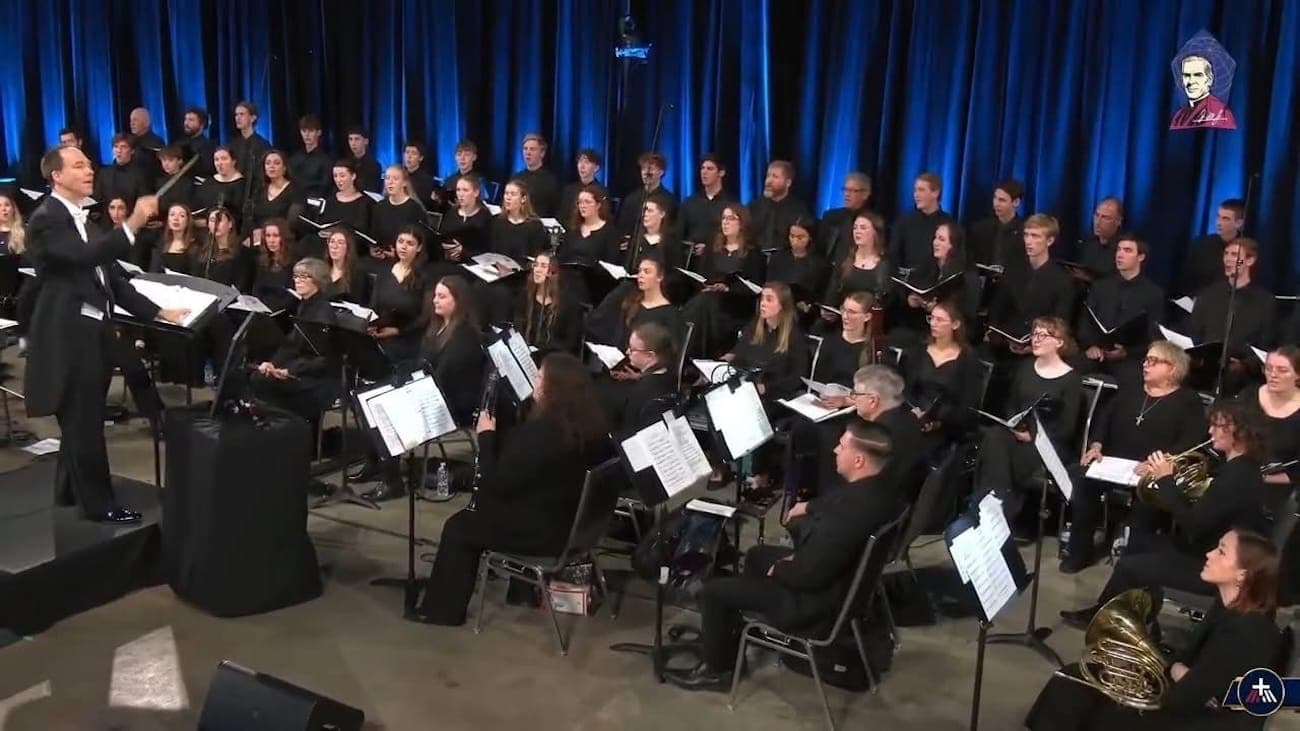
The Council also encourages the schola cantorum, which is similar to a choir that often sings in Latin. Pope Leo highlighted that the schola is promoted to encourage active participation for the faithful in singing and to ensure the parts being sung are properly performed.
“For this reason, the composer of sacred music is called to know and preserve the musical heritage of the Church, allowing it to inspire new compositions at the service of the liturgy, while respecting contemporary sensibilities and the different cultural traditions,” Pope Leo said. This is so as to “‘purify worship from ugliness of style, from distasteful forms of expression, from uninspired musical texts which are not worthy of the great act that is being celebrated’, to guarantee dignity and excellence to liturgical compositions,” he said, quoting Pope St. John Paul II.
Because of this, the Vatican II fathers recommended formation and practicing of sacred music in seminaries, Catholic schools, religious houses of study, and novitiates, he pointed out.
“Dear brothers and sisters, the Fathers of the Church held liturgical singing in great esteem as a symbol of ecclesial communion,” he said. “We can therefore conclude with these beautiful words of Saint Ignatius of Antioch: ‘Let each of you unite to become a choir, so that, harmonious in love and taking up the song of God in unison, you may sing with one voice through Jesus Christ to the Father, so that he may hear you and recognize, from the good works you perform, that you are members of his Son.’”
.jpg&w=3840&q=75)
Comments