Primaries in Midwest states roll in: Klobuchar, Flanagan, CatholicVote-endorsed Alfonso secure wins
Tuesday’s primaries confirmed Republican and Democratic nominations for several key political positions in Minnesota and Wisconsin, among others.
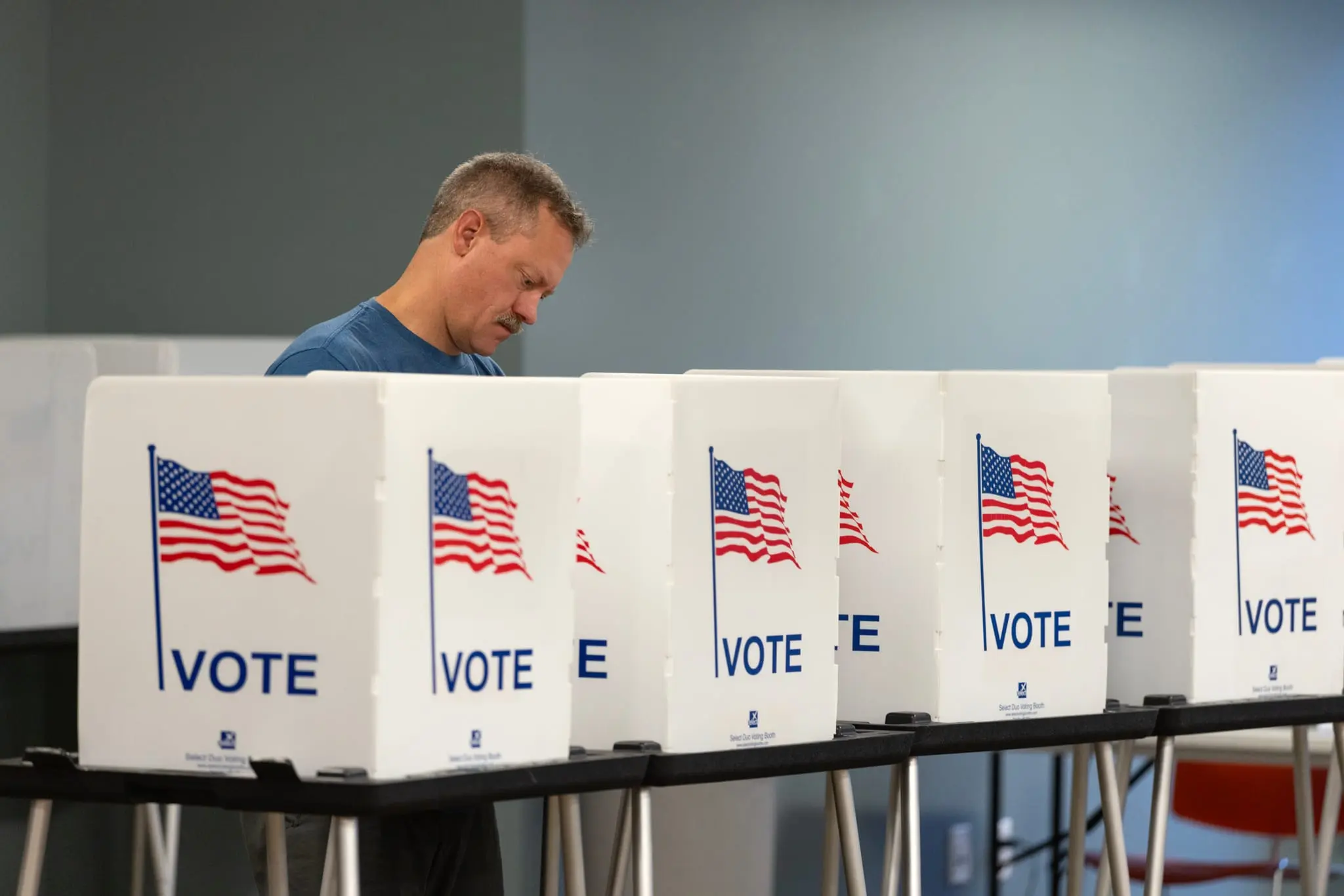
Primaries held in multiple states Aug. 11 are giving shape to the 2026 midterms, and a number of closely watched contests took place in Wisconsin and Minnesota.
At the time of publication, the race in Wisconsin for the Democratic nomination for governor remains too close to call between Francesca Hong and David Crowley.
Sen. Amy Klobuchar, D-Minn., won the Democratic nomination for Minnesota governor Aug. 11 in a 90.5% vote, according to NBC News’ projections on the primary results.
Klobuchar, who has been a senator for Minnesota since 2007, stepped into the race for the nomination as Democratic Gov. Tim Walz announced earlier this year that he would not seek another term, according to FOX News Digital. CNN projects State House Speaker Lisa Demuth will win the Republican nomination for governor in Minnesota, defeating MyPillow founder Mike Lindell and Army veteran Kendall Qualls.
Tuesday’s primaries also saw a win for CatholicVote-endorsed Wisconsin GOP House candidate Michael Alfonso. Alfonso, a Catholic, had previously emphasized his faith, pro-life values and commitment to protecting religious liberty, in a July 23 statement on X about the endorsement.
Peggy Flanagan, Michele Tafoya win Minnesota Senate primaries, setting November matchup
Minnesota Lt. Gov. Peggy Flanagan, a Democrat, and former sports reporter Michele Tafoya, a Republican, won their parties’ U.S. Senate nominations Aug. 11, setting up a general-election contest for the seat being vacated by Democratic Sen. Tina Smith.
AP News called the Democratic race with about 82% of the votes counted. Flanagan received 58.7%, and Rep. Angie Craig, D-Minn., trailed behind at 39.8%. Four lesser-known candidates made up the remainder of the vote.
Tafoya won the Republican primary over a field that included former Navy SEAL Adam Schwarze, former NBA player Royce White, and retired Navy officer Tom Weiler. AP News called the Republican contest at 9:50 p.m. EST.
The two nominees will compete in the Nov. 3 general election to succeed Smith, who announced in February she would not seek reelection. The Cook Political Report rated the seat “Likely Democratic” heading into the general election.
On the Democratic side, Flanagan, who has served as Minnesota Gov. Tim Walz’s lieutenant governor since 2019, ran as the more progressive candidate. She received support from Smith, Sen. Bernie Sanders, I-Vt., and Sen. Elizabeth Warren, D-Mass.
Craig entered the primary with backing from party leaders including former House Speaker Nancy Pelosi, D-Calif., and House Minority Leader Hakeem Jeffries, D-N.Y.
The primary was seen by many as a contest between the Democratic Party’s progressive and more moderate wings. The campaign highlighted disagreements over immigration and U.S. policy toward Israel.
Flanagan criticized Craig for voting for the Laken Riley Act, which requires federal authorities to detain illegal immigrants who have been charged with, convicted of, or admitted to committing specified crimes. Craig, in turn, criticized Flanagan’s role in the Walz administration amid scrutiny of widespread fraud involving state-administered programs.
The primary unfolded months after Minnesota became a national flashpoint following the fatal shootings of U.S. citizens Renée Good and Alex Pretti by federal immigration agents in Minneapolis and revelations of widespread fraud involving state-administered programs.
Craig received backing from the American Israel Public Affairs Committee (AIPAC), while Flanagan pledged not to accept campaign contributions from the organization or its affiliates.
Flanagan has also been an outspoken supporter of abortion, listing “reproductive health care and access to abortion” among her campaign priorities.
On the Republican side, Tafoya, who entered politics after a decades-long career in sports broadcasting, campaigned on reducing the cost of living, strengthening border enforcement, supporting law enforcement, and protecting women from competing against men in female sports. She will seek to become the first Republican elected statewide in Minnesota since 2006.
This is a developing story.

Comments