Report: Eyewitness describes brutal crackdown on Iranian protesters
In a recent interview with The Free Press, an Iranian eyewitness who fled the country last week described a violent state-led crackdown on nationwide anti-regime protests, calling it a campaign to “kill as many people as possible.”

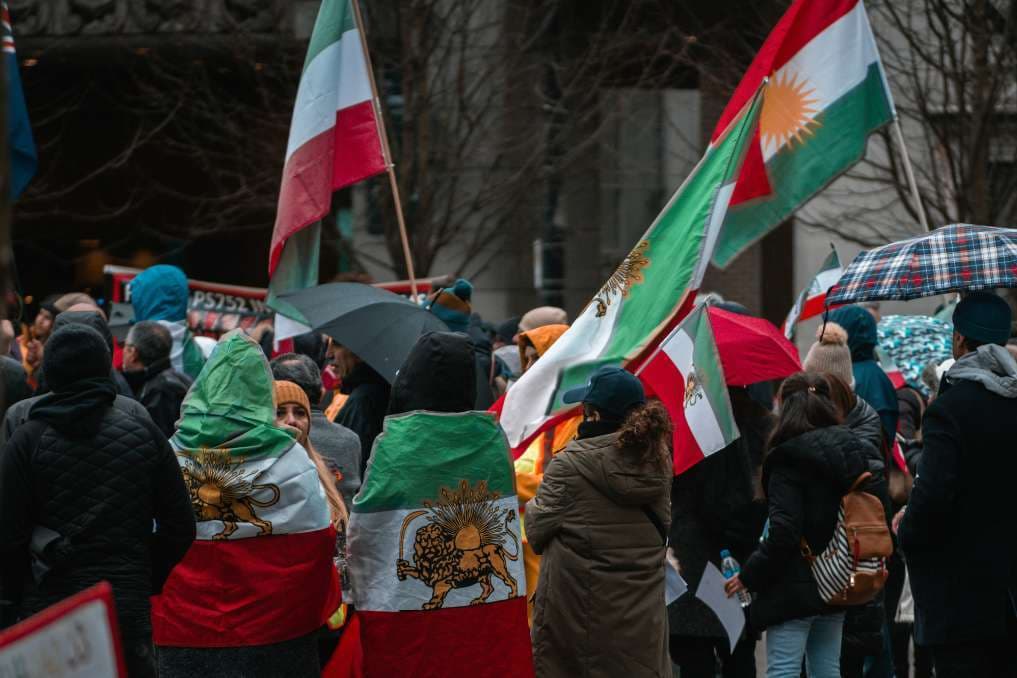
In a recent interview with The Free Press, an Iranian eyewitness who fled the country last week described a violent state-led crackdown on nationwide anti-regime protests, calling it a campaign to “kill as many people as possible.”
The account appears in a Jan. 28 report by journalist Amy Kellogg, who interviewed the eyewitness — identified only as “Ali” to protect him and his family — about protests that erupted across Iran beginning Dec. 28 over economic collapse and increasingly unpopular policies of the Islamic Republic.
As Zeale News previously reported, human rights monitors estimate that more than 6,000 people have been killed, with total deaths potentially higher once the missing and wounded are accounted for. Iranian authorities also restricted internet access as demonstrations spread.
Ali told The Free Press that he had never attended a protest before he and his wife joined demonstrators in one of Iran’s major cities Jan. 8. Kellogg reported that by this time, crowds had swelled to roughly a million people nationwide.
“The family took precautions,” Kellogg wrote, “donning masks and leaving their cell phones at home so they would leave no incriminating digital footprints in the city center that evening.”
Chants of “Death to the dictator!” rang through the streets as the crowd surged forward, Ali recalled. He told The Free Press that demonstrators set ablaze a Basij minibus — a vehicle used by the regime’s paramilitary forces — and pushed it down the street, raising their hands in defiant victory signs as they moved.
“At that point, I thought, ‘We’ve got the city! They’ve lost control,’” Ali said.
As protesters approached a government building, Ali said he heard gunfire, and the crowd scattered. While hiding inside an apartment courtyard, he saw a man collapse from dozens of pellet wounds.
“When I opened my eyes for a second to decide what to do next,” he told Kellogg, “I saw a man full of bullet holes lying in a puddle of his own blood.”
Ali said the group fled to a rooftop, preparing to escape by leaping building-to-building, as someone urged them not to abandon the injured man. His mother-in-law later heard a girl outside pleading, “Don’t shoot, don’t shoot me.” Gunshots followed, then silence, Kellogg reported.
The family waited roughly 45 minutes before making their way home through back alleys and parks, avoiding main roads, Ali told Kellogg. By the time they arrived, phone lines were dead and internet access had been cut off.
“The regime just pulled the plug,” Ali said.
According to Kellogg, the internet blackout meant “the stakes were rising,” cutting Iranians off from one another and signaling that further retaliation by the regime was imminent.
The following night, the violence escalated, Ali said. According to the report, Basij units charged smaller gatherings without warning, firing into crowds. Ali told The Free Press he was struck in the legs by pellets but avoided serious injury because he was wearing heavy boots.
“This was not about keeping back crowds,” he added. “This was about killing as many people as possible.”
Ali also alleged that bodies were quietly removed to muddle official death counts, while many wounded protesters avoided hospitals altogether, fearing arrest or execution if they sought medical care. He recounted hearing of a hospital receptionist who was shot and killed while attempting to assist wounded protesters entering a medical facility.
“It’s not just the body bags that are significant,” Ali said. “People are dying at home, too. It’s too dangerous to seek medical help.”
Ali and his wife went into hiding, but even staying home felt unsafe, Kellogg reported. Ali said authorities later tracked down demonstrators using phone data, with some receiving automated messages signaling the state had identified them as protesters.
After days under what he described as near-martial-law conditions, Ali and his wife were able to flee Iran. While protests appear to have been suppressed for now, he told Kellogg that the crackdown has permanently shifted public attitudes.
“We have done all we can,” he said. “But we can’t fight men with machine guns.”
.jpg&w=3840&q=75)




Comments