Saint of the day, April 15 - Zeale
Saint Hunna is a perfect antidote to the modern habit of treating hidden domestic work as “lesser.” She is remembered not because she held office or produced writings, but because she turned ordinary, tiring service into consistent charity. So consistently, that the Church kept her name alive for more than a millennium.

April 15: Saint Hunna
Born: (Unknown), Alsace (Frankish realm; present-day eastern France)
Died: c. 679, Alsace
Nationality: Frankish
Vocation / State: Laywoman, wife, mother (according to tradition), servant of the poor
Attributes: Washing tub, linen, water jar; sometimes shown helping the sick
Patronage: Laundry workers; washerwomen; domestic laborers; the poor
Canonization: Ancient local veneration
Saint Hunna is a perfect antidote to the modern habit of treating hidden domestic work as “lesser.” She is remembered not because she held office or produced writings, but because she turned ordinary, tiring service into consistent charity. So consistently, that the Church kept her name alive for more than a millennium.
Hunna lived in Alsace in the early medieval Frankish world, a time when life was hard, disease common, and poverty often crushing. The sources on her are not modern-biographical in the way we might prefer, but the tradition is stable on the essentials: Hunna was a Christian woman of deep generosity, known especially for care of the poor and the sick.
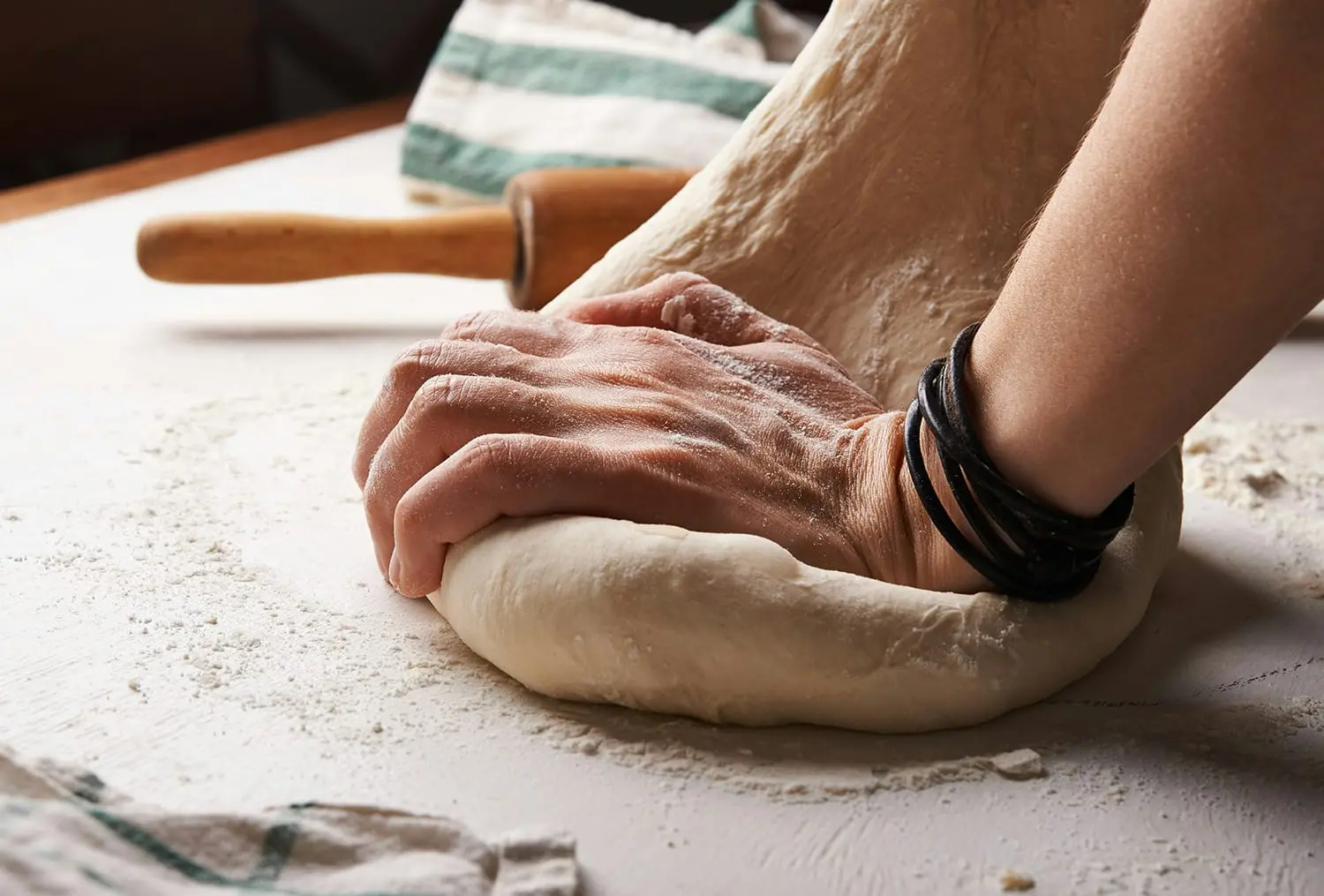
Her charity took a very concrete form. She would wash clothing and linens for those who had no means to do it, especially the sick and the poor. This sounds small until you picture what “laundry” meant in the 7th century: hauling water, scrubbing by hand, boiling and rinsing, drying, repairing: days of exhausting labor. Hunna offered that labor not as a one-time gesture but as a habitual mercy. In a world where illness could isolate a person and bodily weakness could make them “unclean” or unwanted, Hunna’s willingness to serve communicated something powerfully Christian: you are not disposable, and your dignity does not disappear with your poverty.
Tradition also associates her with Saint Deodatus (Déodat), the bishop linked to the region, suggesting her life belonged to a network of early medieval sanctity where local bishops, monasteries, and laypeople formed a Christian culture through ordinary fidelity rather than grand projects.
Hunna’s exemplary act is precisely that: making mercy routine. Many people will do a charitable deed when it is dramatic. Very few do it when it is repetitive, tiring, unglamorous, and unnoticed. Hunna did. That is why she became a patron for laundresses and domestic workers: people whose labor is essential and yet commonly undervalued.
Saint Hunna, pray for us!



Comments