Scotland bishops warn country is at ‘moment of profound moral consequence’ ahead of assisted suicide bill vote
The bishops of Scotland issued a joint statement Feb. 27 against a pro-assisted suicide bill that the Scottish Parliament will cast its final vote on in several weeks, warning that the country “stands at a moment of profound moral consequence.”

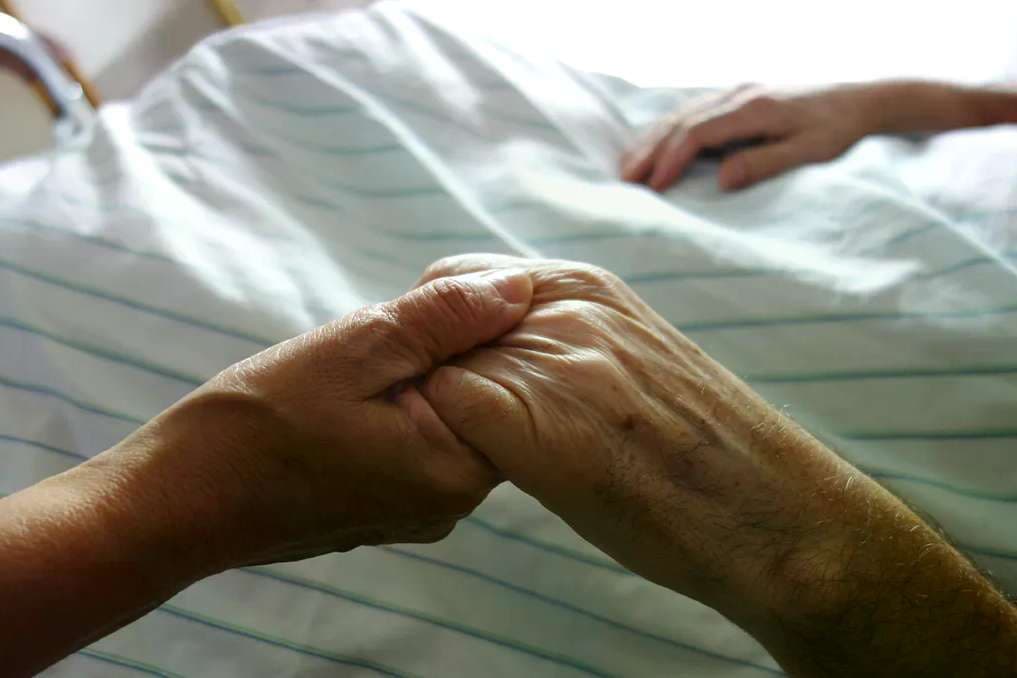
The bishops of Scotland issued a joint statement Feb. 27 against a pro-assisted suicide bill that the Scottish Parliament will cast its final vote on in several weeks, warning that the country “stands at a moment of profound moral consequence.”
The bill would legalize assisted suicide for adults with terminal illness.
“As your shepherds, entrusted with the care of souls and the protection of human dignity, we write to you with deep concern,” the eight signatories wrote.
The statement was set to be read at all Catholic churches in Scotland during weekend Masses, according to a Feb. 27 report from The Herald Scotland.
“True compassion is not found in hastening death but in walking with those who suffer, ensuring they receive the medical, emotional, and spiritual care that affirms their inherent worth. Every person — regardless of age, illness, disability, or circumstance — is a gift from God,” the bishops stated. “There is no such thing as a life without value. Our task as a society is not to eliminate suffering by eliminating the sufferer, but to surround every individual with love, support, and dignity until their natural end.”
The bishops noted that in recent months, several Scottish Parliament members, “recognising that the risks embedded within it are too grave to ignore,” have changed their stance from support of the bill to opposition of it, or are seriously considering withdrawing their support of it.
“Their change of heart reflects a dawning awareness that coercion, especially the subtle, hidden coercion experienced by the most vulnerable, including the elderly, the sick, the disabled and those living with domestic abuse, cannot be reliably detected, let alone prevented,” they continued.
According to The Herald Scotland, “the bill will be defeated if seven MSPs change their mind” at the final vote.
Basic protections that were initially included in the legislation have been removed or rejected, according to the bishops, who noted that a parliament committee voted down a proposal for doctors to be mandatorily trained to recognize coercive control. Also “dismissed” were proposals to guarantee that patients receive the options of palliative and social care before they consider assisted suicide, the bishops said. A proposal to allow opt-outs for hospices and care homes that oppose assisted suicide was also shot down.
“Even the conscience rights of healthcare workers remain uncertain,” they continued. “As a result, [members of the Scottish Parliament] are being asked to vote on a Bill that is incomplete and reliant on future intervention from Westminster — an arrangement that several parliamentarians have already described as unworkable and irresponsible.”
The Scottish bishops did not only express theoretical concerns but also cited countries that have legalized the practice, saying those experiences offer “a sober warning.” In these countries, they continued, “narrow criteria have widened over time, placing ever more people at risk,” noting that not only are terminally ill people now “eligible”, but also people who simply “feel abandoned, isolated, or burdensome.”
“We must not allow such a trajectory to take root here in Scotland,” they said. “We therefore urge you, the Catholic faithful of Scotland, to act.”
The bishops called on them to contact their members of Scottish Parliament and respectfully urge them to oppose the bill.
“Make your voice heard in defence of those who may not be able to speak for themselves,” they said, encouraging the faithful to utilize anti-assisted suicide resources, such as the online email tool by Care Not Killing.
“Let us also hold in prayer all those approaching the end of life, all who care for them, and all charged with shaping the laws of our land,” they concluded. “May the Holy Spirit grant our nation the wisdom to choose the path of life, compassion, and genuine human solidarity.”





Comments