Senate could vote this week on bill to shield families from data center power costs
The House-passed measure would require state regulators to consider whether large electricity users should pay the added infrastructure costs needed to serve them. CatholicVote Director of Government Affairs Tom McClusky predicted that Senate Democrats will defeat the bill.

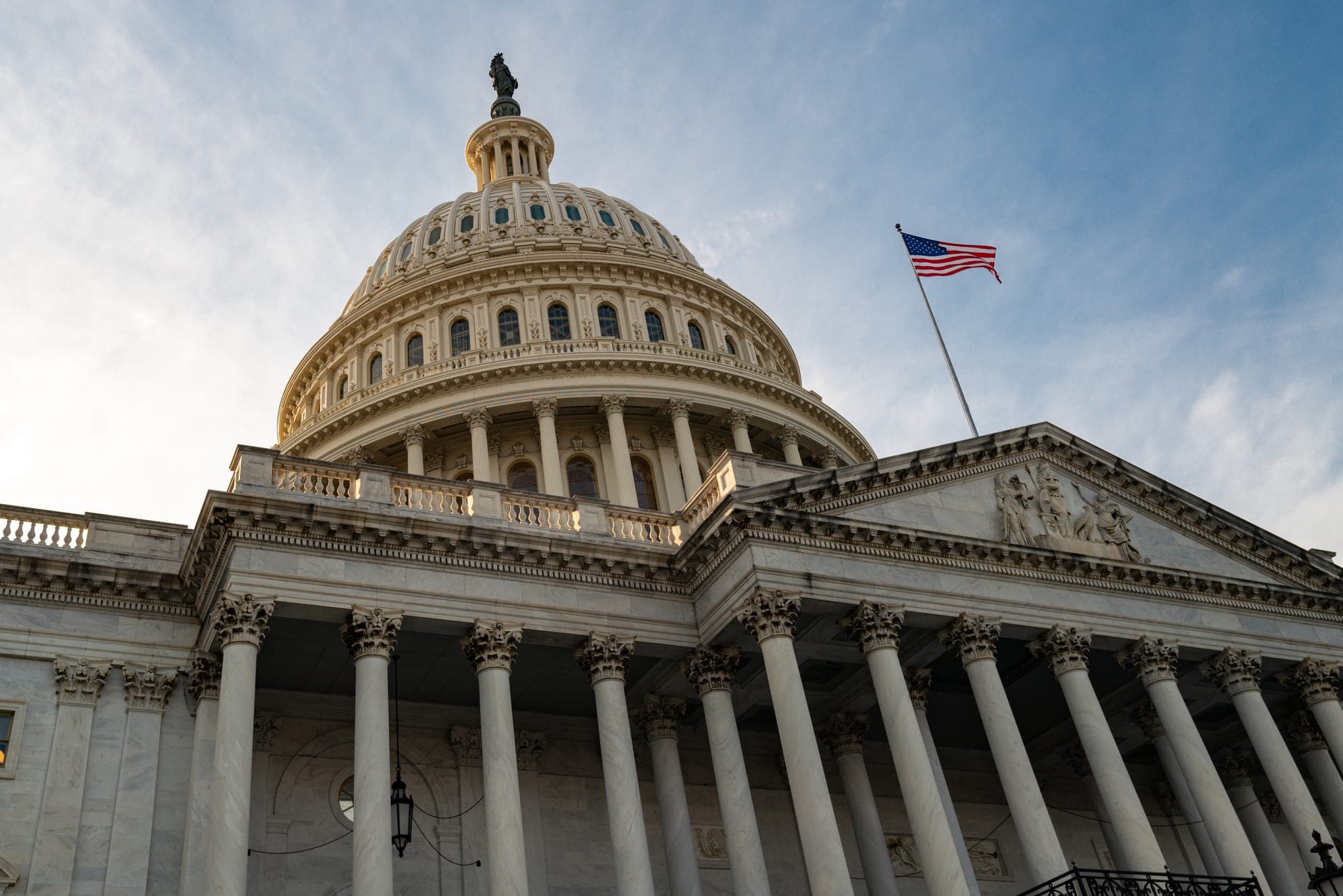
The Senate could hold a vote this week on the Ratepayer Protection Act, a bill aimed at keeping the cost of power infrastructure for new data centers off families’ and small businesses’ electricity bills.
Senate Majority Leader John Thune, R-S.D., told reporters Sept. 24 that several bills might come to the floor this week. He singled out a possible test vote on the Ratepayer Protection Act, which would require state regulators to consider adopting standards to ensure large electricity users pay the full additional cost of power generation, transmission, and distribution upgrades needed to serve them.
“There are a couple of things that would be good candidates if you’re looking at something that reinforces that [affordability] message,” Thune said. “But Ratepayer Protection Act, for sure, is, I would say, front and center on that list, and that’s why we’re teeing it up.”
The measure, backed in the Senate by Republican Sen. Jon Husted of Ohio, cleared the House 417-3 Sept. 16. Husted sought to pass it by unanimous consent in the Senate the next day, but Sen. Martin Heinrich, D-N.M., objected, arguing that the bill didn’t go far enough.
“The senator from Ohio and I agree on one thing: AI data centers can mean higher costs for American families, and in a lot of places they already do,” Heinrich said on the Senate floor Sept. 17. But he said the “Ratepayer Protection Act falls short of what we need to do” because it requires states only to consider standards, not to adopt them.
Heinrich offered his GRID Savings Act as an alternative. He said it would require large electricity users, including data centers, to pay for the facilities needed to connect them to the grid.
Senate Minority Leader Chuck Schumer, D-N.Y., also criticized Husted’s bill, calling it a “fraud” because “no company has to do it” in remarks to reporters Sept. 23.
Husted, however, pushed back, arguing that Democrats can demonstrate their commitment to affordability by supporting the House-passed bill.
“They say they're for more affordability. This is a chance for everybody to prove it,” he told reporters.
Husted argued that the House’s overwhelming vote gave the Senate an opportunity to act now.
“If the gentleman from New Mexico’s provision had passed the House 417-3, he would have every right to stand up and ask that we do this,” Husted said, referring to Heinrich’s GRID Savings Act. “But before we leave here, we ought to do something on a matter that the American people have asked us to do something about. And we have the opportunity to do that with the Ratepayer Protection Act.”
CatholicVote Director of Government Affairs Tom McClusky said the House vote showed strong bipartisan support but predicted that Senate Democrats would defeat the bill.
“The Ratepayer Protection Act ensures that American families and communities are protected and not forced to cover the costs of new power generation driven by data centers,” he said. “The bill passed the House with strong bipartisan support; unfortunately, Democrats in the Senate are poised to sink the bill as they put their own power grab ahead of taxpayers.”


Comments