Soaring diesel prices put Trump administration in a bind
Energy Secretary Chris Wright says restricting exports won’t fix record diesel prices and it could instead raise the cost of gasoline and jet fuel. Farmers, the transportation industry, and consumers are struggling to cope with huge costs.

Energy Secretary Chris Wright said Sept. 23 that a U.S. ban on diesel exports “would not work” and could drive up gasoline and jet fuel prices, publicly diverging from President Donald Trump, who a day earlier said he was considering restricting shipments as diesel prices hit record highs ahead of the November midterms.
“We are working with the industry … for a more cooperative effort to increase the supply of diesel in the United States and stop the upward price pressure,” Wright told Reuters, adding that the goal could be met “without using blunt instruments that would reduce refining throughput.”
For weeks, Wright has criticized a potential export ban, arguing the administration should focus on boosting fuel supply rather than restricting where it can be sold, but the political pressure on lawmakers has been intense. U.S. diesel prices reached a record average of $6.53 a gallon on Sept. 22, driven by missile attacks that have disrupted refineries and shipping routes in the Middle East and Russia.
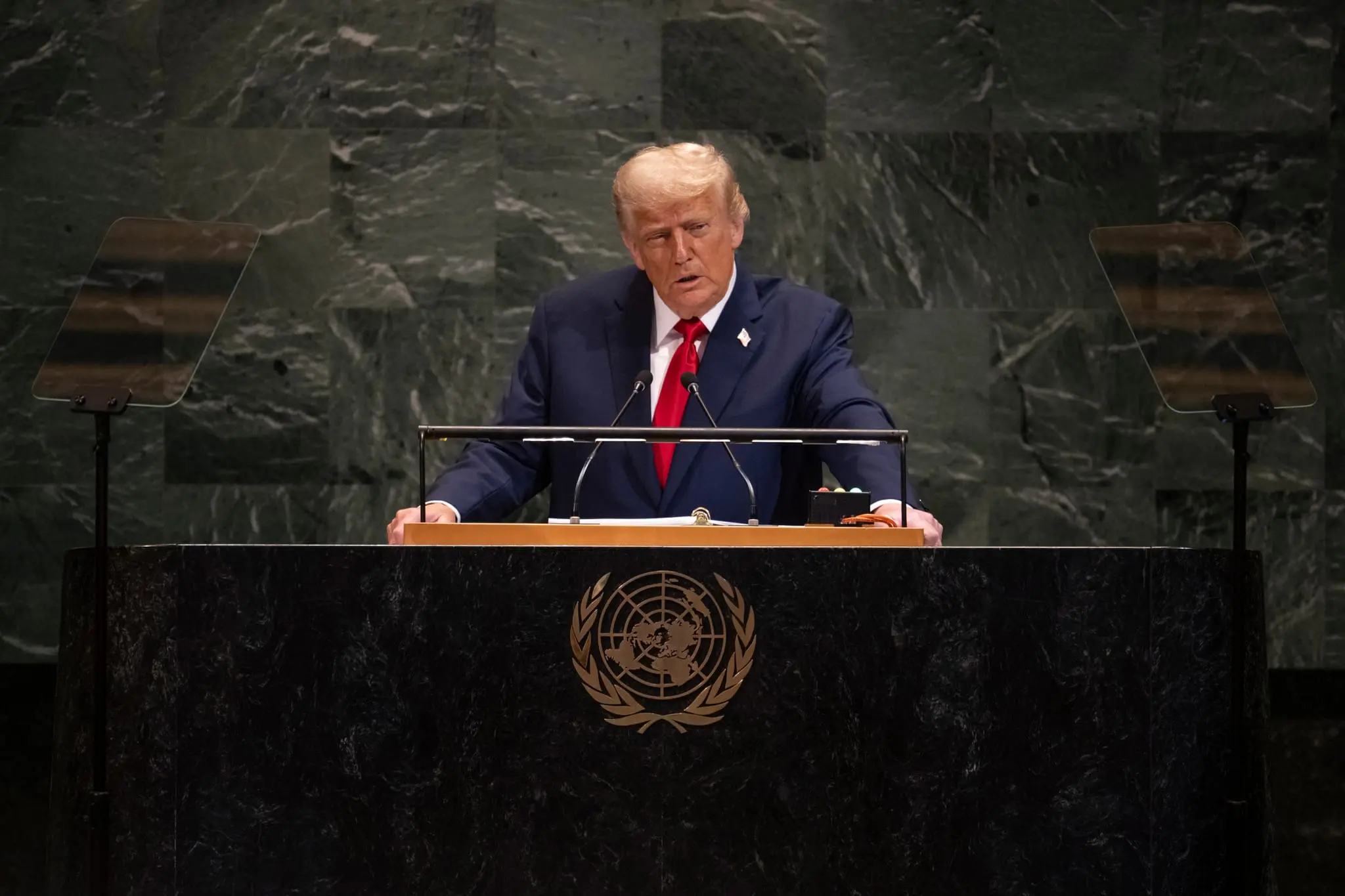
Trump raised the idea of a temporary export ban on the sidelines of the UN General Assembly, siding with Republicans in contested districts, such as that of Iowa Sen. Chuck Grassley, who has pressed the administration to act as high diesel costs squeeze farmers and the transportation industry.
The U.S. is one of the world’s largest exporters of diesel. American refiners shipped a record 1.9 million barrels a day to overseas customers in recent weeks as other major suppliers, including Russia and China, pulled back. But domestic refineries were running at 97% of capacity in July, near their practical maximum, leaving little room to boost output and bring prices down even if exports were curtailed.
Oil executives argue that cutting off exports could force refiners to slash production because domestic demand alone can’t absorb the diesel that would otherwise go overseas. Reductions in diesel production will also decrease the supply of gasoline, jet fuel, and other oil products; each barrel of oil can be refined into roughly 45% gasoline, 30% diesel, and 11% jet fuel.
S&P Global estimates a ban would force refiners to cut runs by nearly 2 million barrels a day and could push gasoline prices up by as much as 25 cents per gallon.
Wright’s disagreement with Trump is unusual for a Cabinet secretary in an administration that prizes loyalty. According to Reuters, a White House official said Trump “wants to see gas prices at the pump fall and is evaluating all options.”





.jpg&w=3840&q=75)
Comments