Study finds signs of renewed church growth in US
Church attendance in the U.S. increased in 2025 for the first time in 25 years, according to a new study by the Hartford Institute for Religion Research, though researchers cautioned that the rebound does not necessarily signal a broader religious revival.

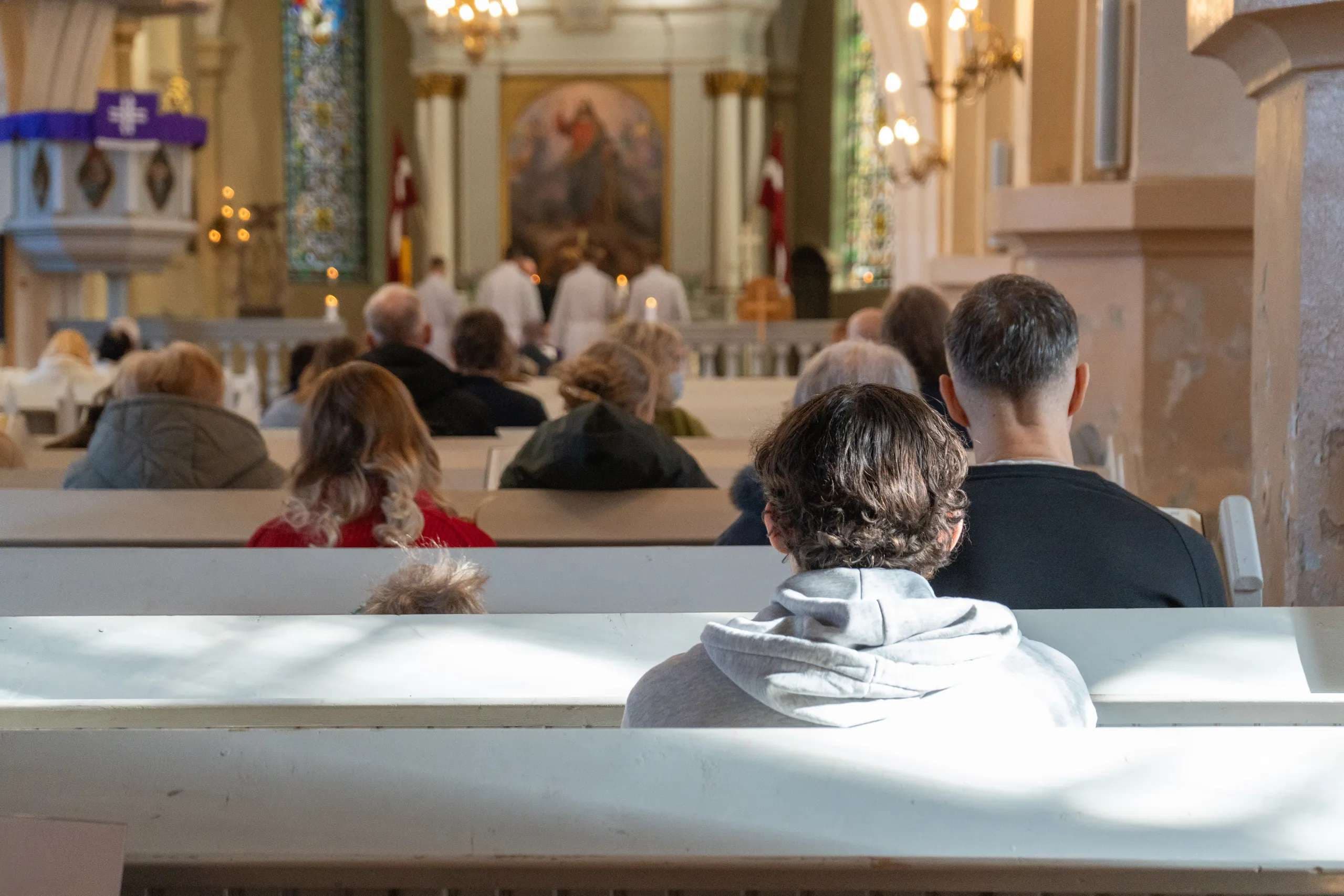
Church attendance in the U.S. increased in 2025 for the first time in 25 years, according to a new study by the Hartford Institute for Religion Research, though researchers cautioned that the rebound does not necessarily signal a broader religious revival.
The study, conducted by the institute’s Exploring the Pandemic Impact on Congregations (EPIC) project and Faith Communities Today, analyzed survey responses from more than 7,453 congregations collected between September and December 2025. According to the institute, the median weekly church attendance grew to 70 people, up from 60 in 2024 and 45 during the COVID-19 pandemic-era decline. Attendance also surpasses levels recorded immediately before the pandemic.
Catholic and Orthodox congregations reported the highest median church attendance out of the surveyed religions, at about 200 people per congregation, compared with 75 among evangelical Protestant churches and 50 among mainline Protestant churches. Other religious traditions average about 22 attendees.
Researchers said the increase in 2025 reflects a rebound from the hit church attendance took during the pandemic, the study report noted. It is also the first increase in median attendance since 2000, when Faith Communities Today began tracking average church attendance.
“While this marks an important turning point, it should be interpreted with caution,” the report states. “The current median of 70 remains far below the median in 2000 when the typical congregation drew 137 attenders. Therefore, this recent gain should be viewed within the much longer historical trajectory of decline.”
However, the institute reports other factors suggest religiosity could be rising in America. Nearly three in five surveyed congregations said they were stronger than before the pandemic. Congregations’ average annual income reached $205,000 in 2025, up significantly from 2023 and outpacing inflation. Congregations also reported volunteer levels comparable to those seen before the pandemic along with higher levels of optimism and well-being, according to the institute.
“What we’re seeing is not a revival — it’s a recalibration,” said Dr. Allison Norton, co-investigator for the EPIC project. “Congregations have been through an extraordinary period of disruption, and though it has taken a while, many have come out of it with greater clarity about who they are and what they’re called to do. That’s showing up in the data in ways that are genuinely encouraging.”





Comments