Supreme Court allows mail-order abortions to continue as pro-life case proceeds
The Supreme Court on May 14 declined to immediately restore in-person safeguards for the abortion pill mifepristone, allowing companies to keep offering mail-order abortion drugs online while a Louisiana-led lawsuit proceeds in lower courts.

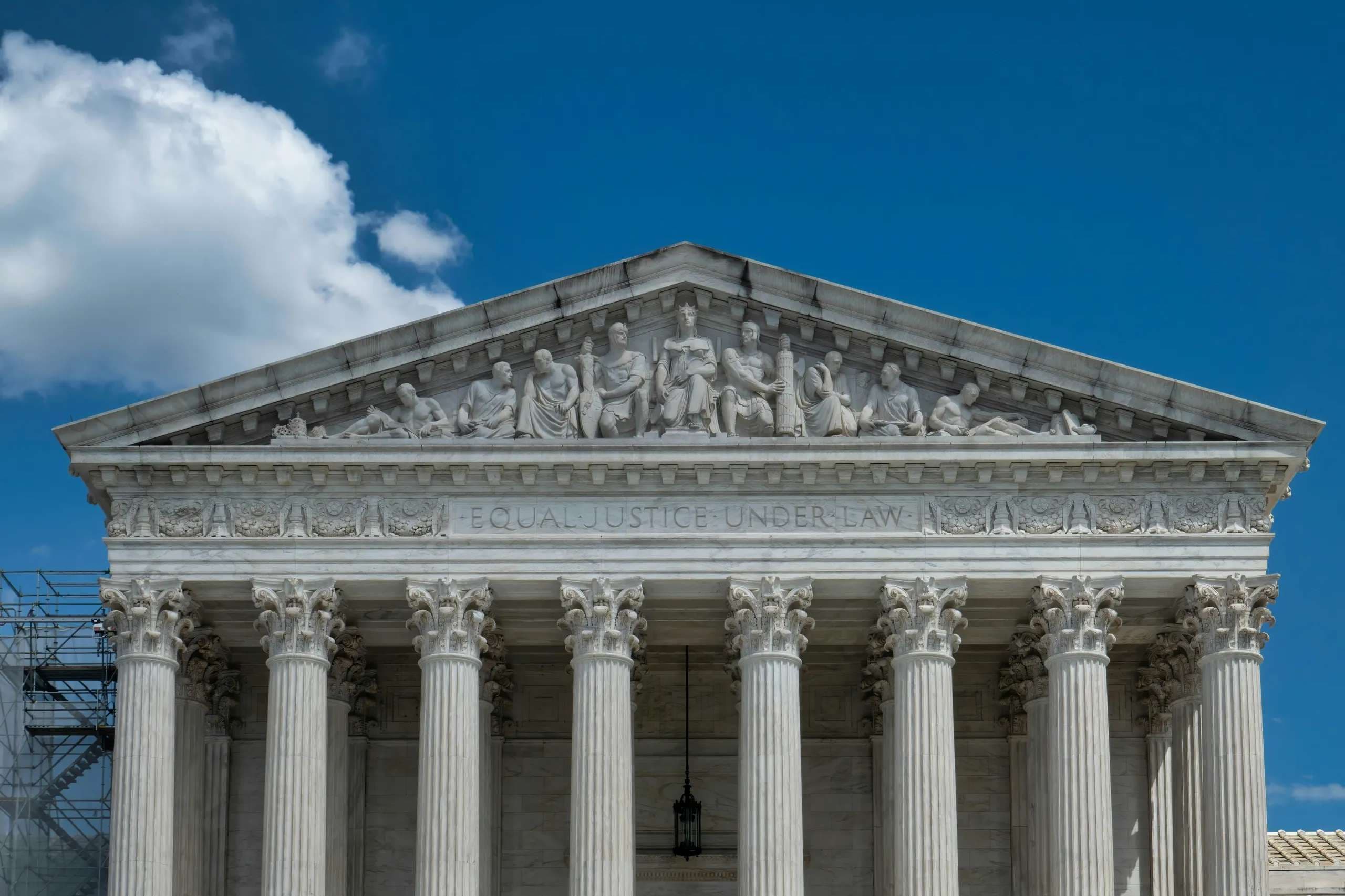
The Supreme Court on May 14 declined to immediately restore in-person safeguards for the abortion pill mifepristone, allowing companies to keep offering mail-order abortion drugs online while a Louisiana-led lawsuit proceeds in lower courts.
The unsigned order leaves intact the Food and Drug Administration’s (FDA) 2023 regulations, which eliminated in-person dispensing requirements for mifepristone. Under the current policy, imposed under the Biden administration in order to promote abortions after the Supreme Court struck down Roe v. Wade, the drugs can be prescribed remotely and mailed directly to patients. Medication abortions, which typically use mifepristone together with misoprostol, now account for roughly two-thirds of abortions in the U.S.
As is typical in emergency docket rulings, the court did not explain its reasoning. In dissent, Justice Clarence Thomas argued that the drugmakers would not be harmed by restrictions that would make it “more difficult for them to commit crimes.” Justice Samuel Alito also wrote in a dissent that the case involved efforts to undermine the Supreme Court’s 2022 decision overturning Roe.
Pro-life advocate Lila Rose, a Catholic, criticized the Supreme Court’s decision, writing on X that the court had granted the appeal “tragically and wrongly.”
“This decision keeps deadly abortion drugs available by mail and telehealth, where preborn children are killed at home and women can be abandoned, coerced, and left to suffer alone,” Rose wrote. “The FDA must act now. Ban the abortion pill.”
Challenge to abortion pill rules
Louisiana sued the FDA in October 2025, arguing that the agency exceeded its authority by loosening safeguards on mifepristone and thereby undermined the state’s pro-life law protecting unborn children from abortion and violated the federal Comstock Act, a 19th-century federal law restricting the distribution of abortion-related materials through the mail.
In January 2026, the Department of Justice urged the court to delay new restrictions on mifepristone, arguing that immediate court intervention could disrupt the FDA’s ongoing safety review, drawing criticism from pro-life groups.
A federal district judge in Louisiana paused the case in April to allow the FDA to complete its safety review of mifepristone, but declined to immediately restore in-person dispensing requirements.
On May 1, the 5th U.S. Circuit Court of Appeals temporarily restored in-person safeguards, blocking telehealth prescriptions and mail-order distribution pending further review.
Mifepristone manufacturers Danco Laboratories and GenBioPro asked the Supreme Court to intervene. Justice Samuel Alito temporarily blocked the appeals court ruling on May 4 before extending that pause through May 14 before the full court’s decision.
>> 113 Republican members of Congress urge SCOTUS to reverse mail-order abortion pill policy <<
The Supreme Court’s latest action leaves unresolved major legal questions about the FDA’s authority to remove safeguards on the drug and whether the Comstock Act prohibits mailing abortion pills. The case now returns to the lower courts while the FDA continues its safety review.






Comments