Trump administration threatens Medicaid funding cuts to states over anti-fraud compliance
The Trump administration is escalating its crackdown on suspected Medicaid fraud, threatening to withhold anti-fraud federal funds from all states if they fail to show they are complying with fraud-prosecution requirements.

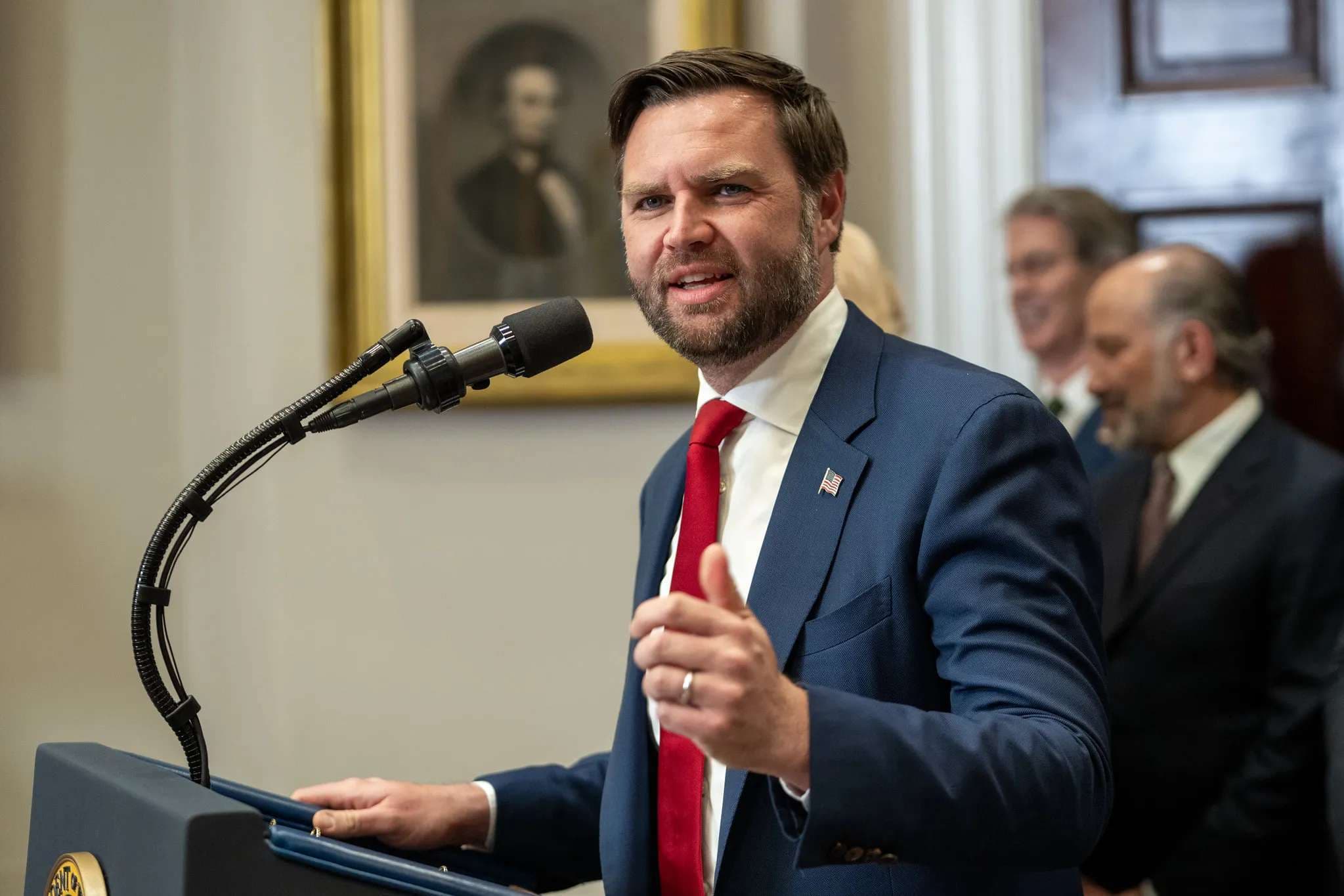
The Trump administration is escalating its crackdown on suspected Medicaid fraud, threatening to withhold anti-fraud federal funds from all states if they fail to show they are complying with fraud-prosecution requirements.
Vice President JD Vance, who leads the White House Anti-Fraud Task Force, said during a May 13 press conference that the Department of Health and Human Services (HHS) sent a letter to states requiring them to show they are “effectively and aggressively prosecuting Medicaid fraud in their states.”
“If they do not, if they do not aggressively prosecute Medicaid fraud,” Vance said, “we are going to turn off the money that goes to these anti-fraud units.”
Vance also announced the federal government is deferring $1.3 billion in Medicaid reimbursements from California because of fraud in the state.
Speaking alongside Vance, Centers for Medicare & Medicaid Services (CMS) Administrator Dr. Mehmet Oz said the administration believes at least half of the hospices in the Los Angeles area are fraudulent.
“Today, we announce 800 of those hospices have been suspended,” Oz said. “800 hospices that last year charged the federal taxpayer $1.4 billion will no longer be paid.”
>> Vance anti-fraud task force charges 15 people in $50M+ California hospice fraud scheme <<
Vance said the issue should not be a “red state or a blue state issue,” calling it a matter of “basic good government.” He said both Republican- and Democratic-led states have worked with the administration on anti-fraud efforts, naming Ohio and Maryland as examples.
Vance singled out Hawaii and New York as examples of states the administration believes are not aggressively prosecuting Medicaid fraud, arguing that their indictment numbers are too low given the amount of federal Medicaid funding they receive. He said Hawaii has received billions in federal Medicaid dollars but reported zero indictments, while New York has a roughly $100 billion Medicaid program and reported only nine indictments.
HHS also announced May 13 that the CMS is imposing a six-month moratorium on new Medicare enrollments for hospice and home health agencies amid fraud concerns.
Oz said in a press release that the agency has seen “systemic and deeply troubling fraud in the hospice and home health space” and that “bad actors” have exploited Medicare patients and American taxpayers.
“Today we’re shutting the door on fraud — preventing new bad actors from entering Medicare while we aggressively identify, investigate, and remove those already exploiting them,” he said. “This is about protecting patients, restoring integrity, and safeguarding taxpayer dollars.”





Comments