Supreme Court unanimously sides with government in immigration dispute
The U.S. Supreme Court unanimously ruled in favor of the federal government in a significant immigration dispute March 4, holding that federal appeals courts must defer to immigration judges when reviewing asylum decisions.

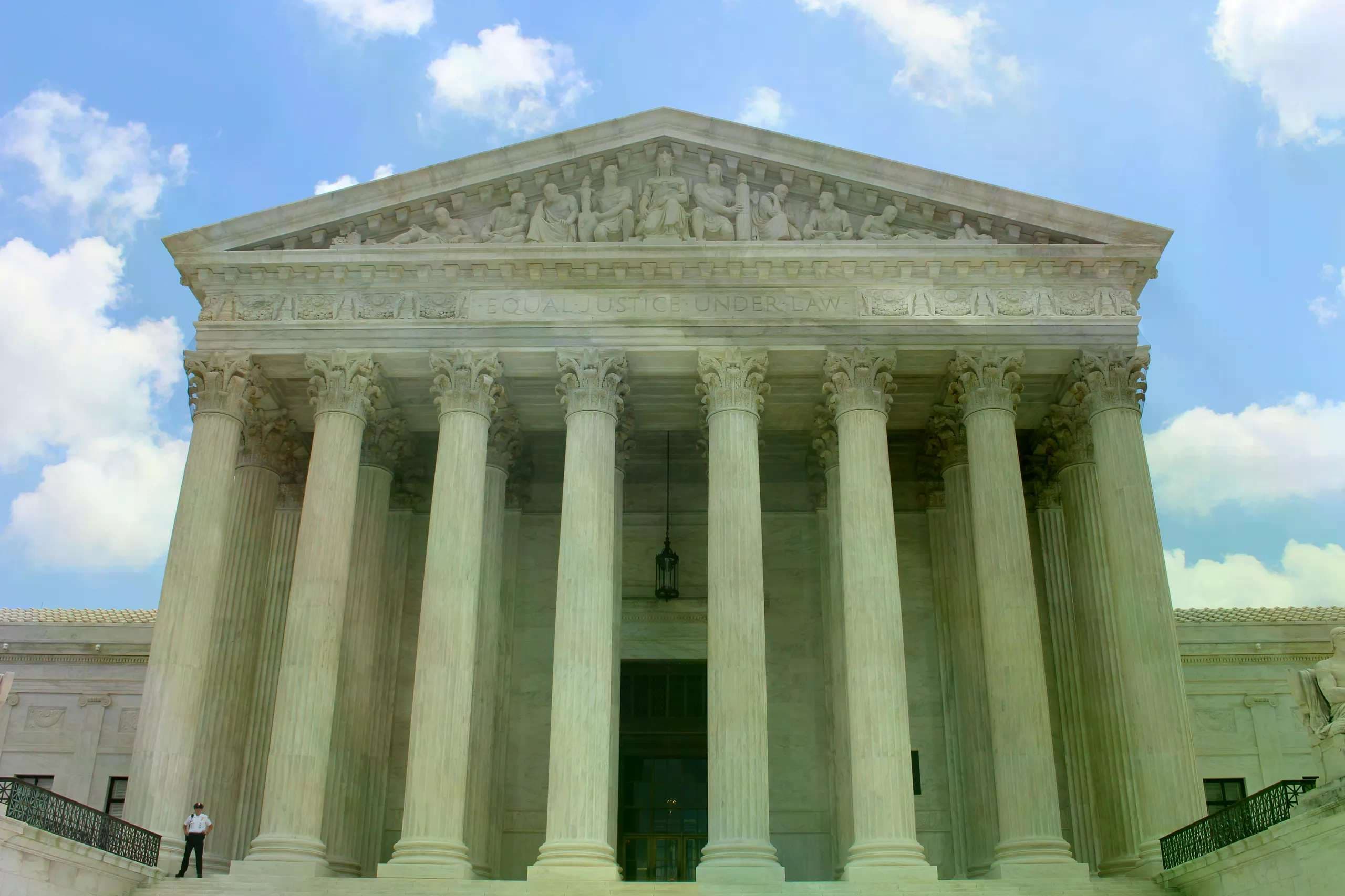
The U.S. Supreme Court unanimously ruled in favor of the federal government in a significant immigration case March 4, holding that federal appeals courts must defer to immigration judges when reviewing asylum decisions.
The ruling is expected to make it harder for migrants to overturn asylum denials in federal court by reinforcing appeals judges’ mandate to largely defer to immigration judges’ factual findings.
Justice Ketanji Brown Jackson, a Biden appointee, wrote in the majority opinion that immigration law requires federal courts to apply a “substantial-evidence standard” when reviewing immigration judges’ decisions about whether an asylum seeker could face “persecution” if deported.
The case, Urias-Orellana v. Bondi, stemmed from an asylum request made by Douglas Humberto Urias-Orellana, his wife Sayra Iliana Gamez-Mejia, and their child, after they fled El Salvador and entered the U.S. illegally in 2021. The family said they faced violent threats from a hitman and sought asylum under the Immigration and Nationality Act (INA), which allows migrants present in the United States to apply for asylum regardless of how they entered the country.
Under the law, immigration judges evaluate asylum claims and decide whether applicants may remain in the country or must be removed. Applicants must show they faced “persecution or a well-founded fear of persecution” based on race, religion, nationality, membership in a social group, or political opinion, according to the INA.
According to court documents, an immigration judge denied Urias-Orellana’s claim, ruling that the family’s experiences did not meet the legal threshold for persecution. The judge noted that the family had previously avoided danger by relocating within El Salvador.
The family appealed through the legal process established under the immigration law, which allows migrants to challenge a decision first before the Board of Immigration Appeals (BIA), then in federal circuit courts, and ultimately before the Supreme Court.
The BIA upheld the immigration judge’s ruling in 2023, and a federal appeals court in Boston affirmed the denial. The family took its case to the Supreme Court, which was tasked with reviewing whether the appeals court had properly evaluated the immigration judge’s findings.
In its March 4 ruling, the high court concluded that the appeals court applied the correct standard by giving substantial deference to the immigration judge’s decision. Jackson wrote for the majority that a reversal of the immigration ruling is warranted only “if, in reviewing the record as a whole, any reasonable adjudicator would be compelled to conclude to the contrary.”




Comments