Syracuse diocese bankruptcy case closes after court approves $176.1M settlement
The Roman Catholic Diocese of Syracuse, New York, will pay $176.1 million to compensate survivors of clergy sexual abuse under a court-approved bankruptcy plan that brings the diocese’s nearly six-year Chapter 11 case to a close.

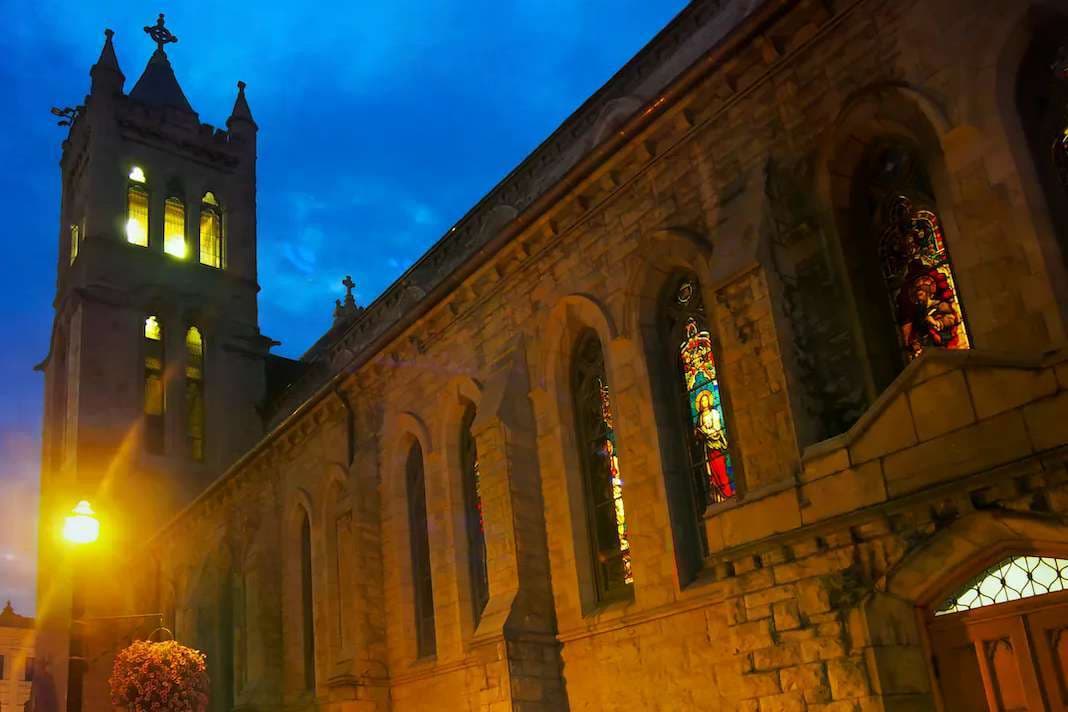
The Roman Catholic Diocese of Syracuse, New York, will pay $176.1 million to compensate survivors of clergy sexual abuse under a court-approved bankruptcy plan that brings the diocese’s nearly six-year Chapter 11 case to a close.
Chief U.S. Bankruptcy Judge Wendy Kinsella issued a final decree Feb. 25 formally ending the diocese’s reorganization, according to court filings and a local report from CNYCentral. The settlement will be distributed through an independent victims’ trust.
The fund consists of $176.1 million from the diocese’s insurance carriers and $100 million from the broader Catholic community: $45 million from parishes, $5 million from other diocesan entities, and $50 million from diocesan investments and loans, according to a statement from the diocese.
The statement explained that under the plan, all current and future abuse claims against the diocese, its parishes, and related entities will be channeled into the settlement trust, preventing individual lawsuits from moving forward.
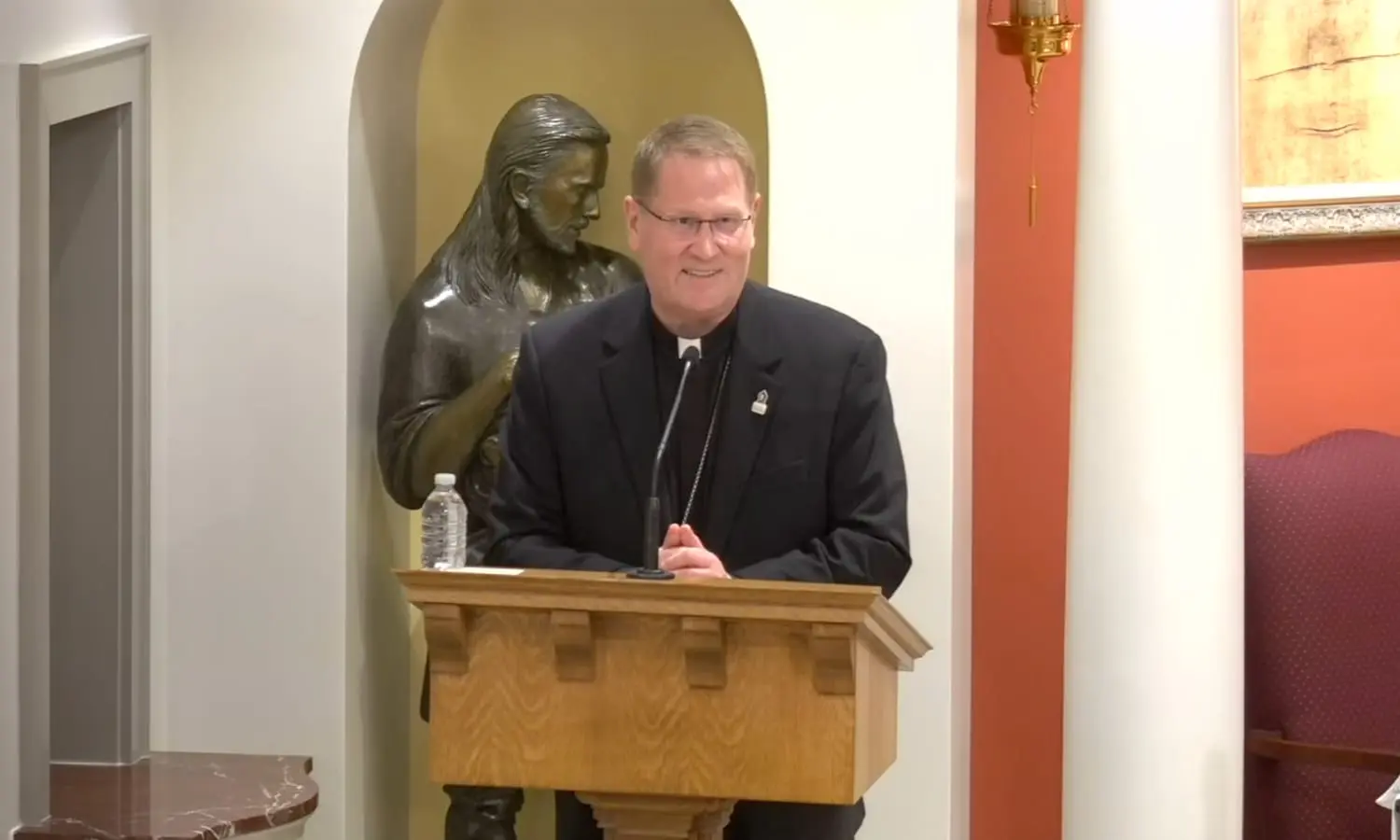
“Words cannot adequately express my feelings and sorrow regarding such heinous behavior,” Syracuse Bishop Douglas Lucia said in the statement about the abuse cases. “I again offer my most heartfelt apology to those who have suffered such harm and for any past neglect in addressing it.”
The diocese filed for bankruptcy protection in June 2020 amid a wave of sexual abuse lawsuits, many of which were brought under New York’s Child Victims Act, according to the diocese. The act temporarily expanded the statute of limitations for survivors to file claims. A judge approved the reorganization plan in 2025, clearing the way for compensation payments, and the Feb. 25 decree formally closes the Chapter 11 proceedings.
Bishop Lucia acknowledged that the bankruptcy process placed a “significant burden” on survivors who filed claims and thanked members of the creditors’ committee and others involved in the negotiations, according to the diocesan statement.
The diocese said it has implemented enhanced safe-environment protocols, including training and criminal background checks for tens of thousands of clergy, employees, and volunteers.




Comments