The return of classic girls’ historical fiction — with a holy twist: A book review of ‘Fiat Girls’
Looking for historical fiction that will inspire middle schoolers to strive for sainthood? The new 'Fiat Girls' series from Ascension Press introduces young readers to real-life saints through stories that highlight these saints' character and virtue in accessible ways that will inspire today's girls in their own dreams, friendships, and holiness.

There is an undeniable wave of nostalgia right now of mothers revisiting the childhood staples of the 1990s and early 2000s. Chief among them was the classic American Girl series, which hooked a generation by embedding relatable, spirited young heroines into authentic historical backdrops. Many moms are now eager to pass that treasured reading experience on to their daughters.
A new Catholic book series Fiat Girls from Ascension Press steps directly into that literary space, but with a bold twist: swapping fictional protagonists for real women who became canonized saints.
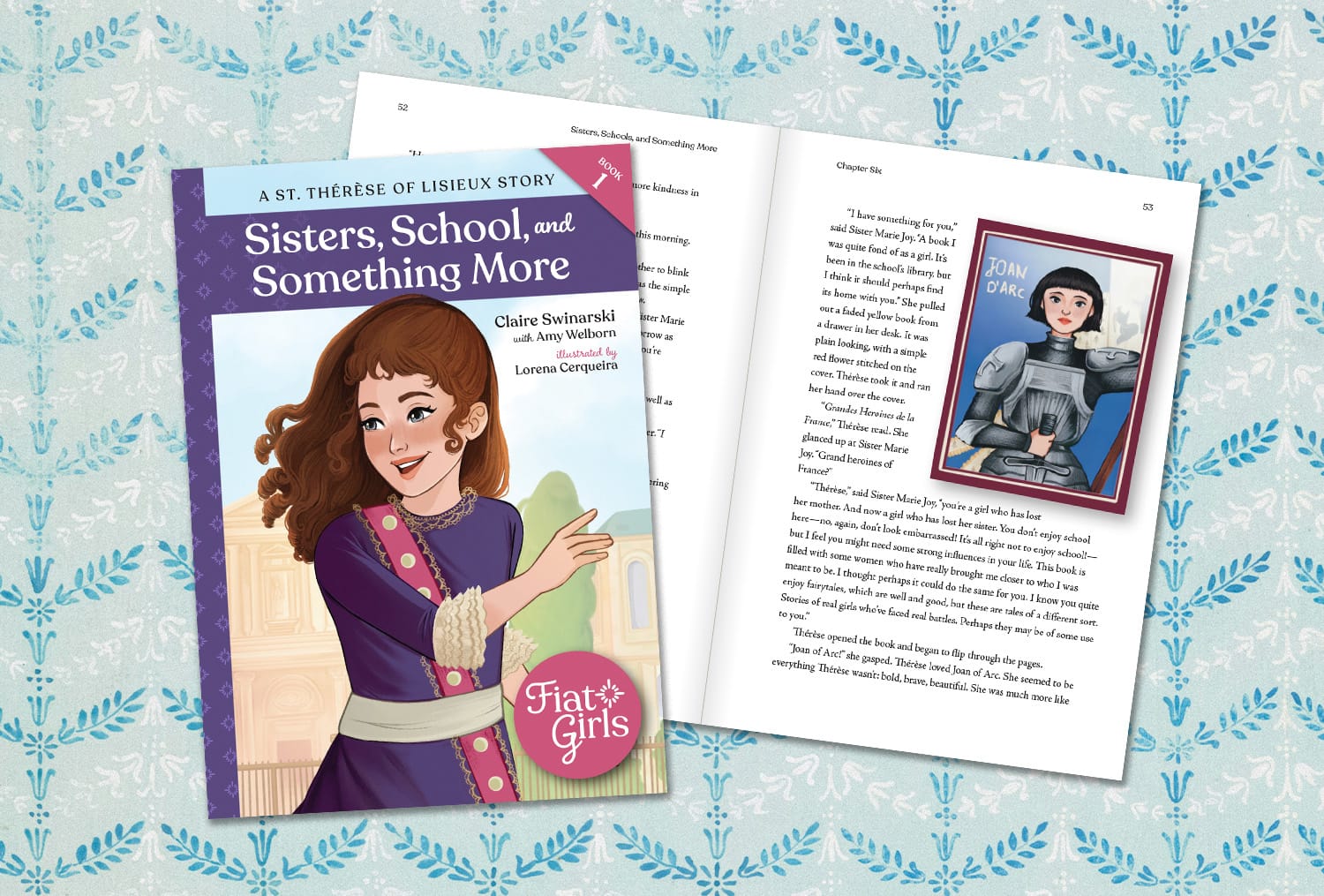
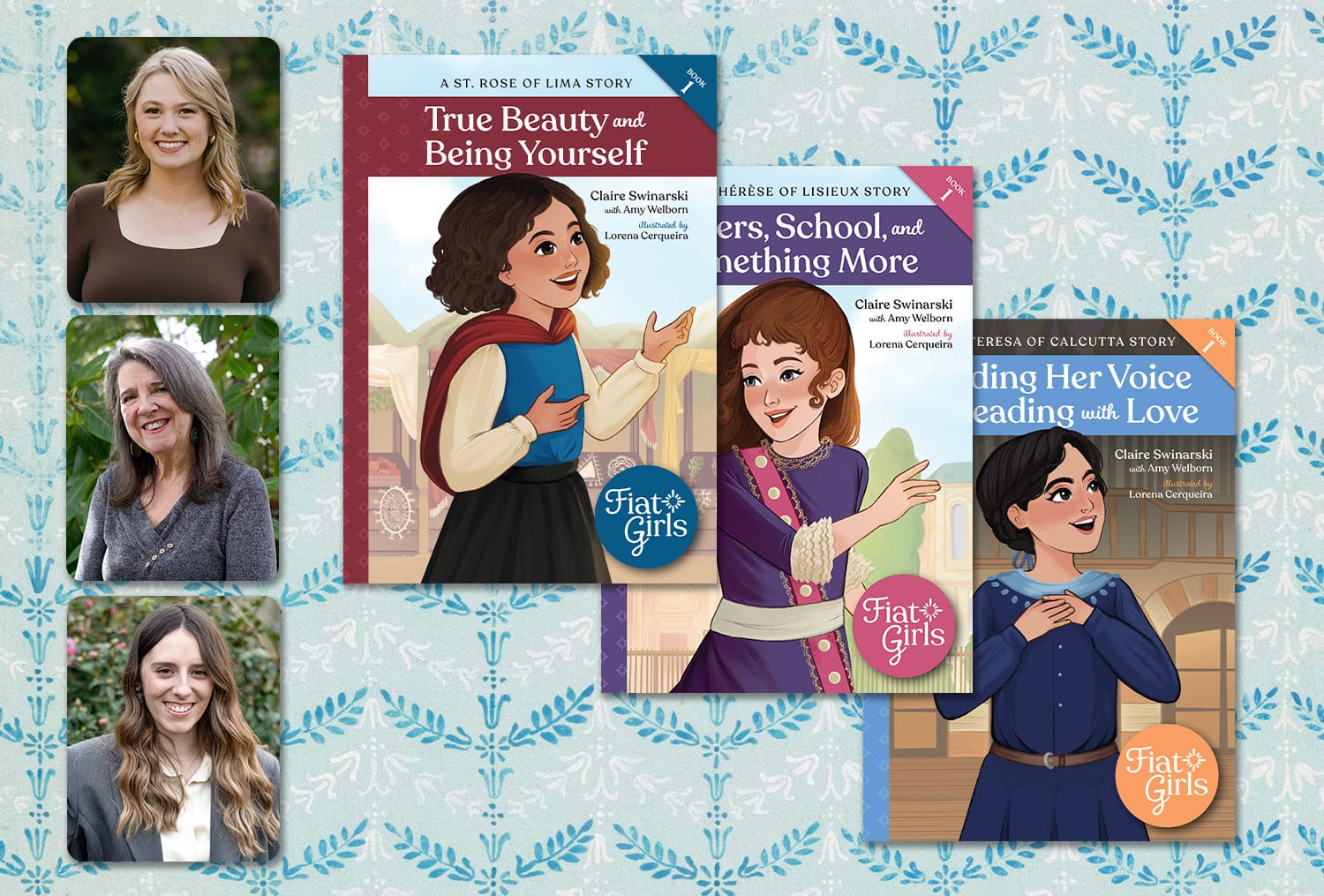
With initial installments exploring the young lives of St. Teresa of Calcutta, St. Thérèse of Lisieux, and St. Rose of Lima (with more historical heroines slated for future release), the series bridges historical fiction and spiritual formation. But before parents hand these adorable paperbacks over to their 7-to-11-year-olds, understanding the genre and heart behind them is essential.
Zeale Lifestyle interviewed author Claire Swinarski to learn what drew her to this depiction of the saints as relatable girls with real-life challenges and everyday adventures.
When history meets holy imagination
Parents should know right up front: These books are historical fiction, not strict catechetical biographies. Because detailed records of early childhoods are often sparse, the stories rely on informed creative liberties to flesh out the daily domestic lives of these future saints.
“Through the eyes of children — actually, through the eyes of most Catholics — saints are often viewed as one-dimensional examples of perfection. They’re in catechism books, they’re in statues, they’re in boring documentaries watched by grandparents,” Swinarski told Zeale. “Do all of the things in the Fiat Girls have historical evidence? No. They’re historical fiction stories at the end of the day. But they’re meant to serve as an introduction to young girls so that as they grow up and encounter difficulties in life, they’re already used to turning to Therese, Rose, and Teresa for inspiration and prayers.”
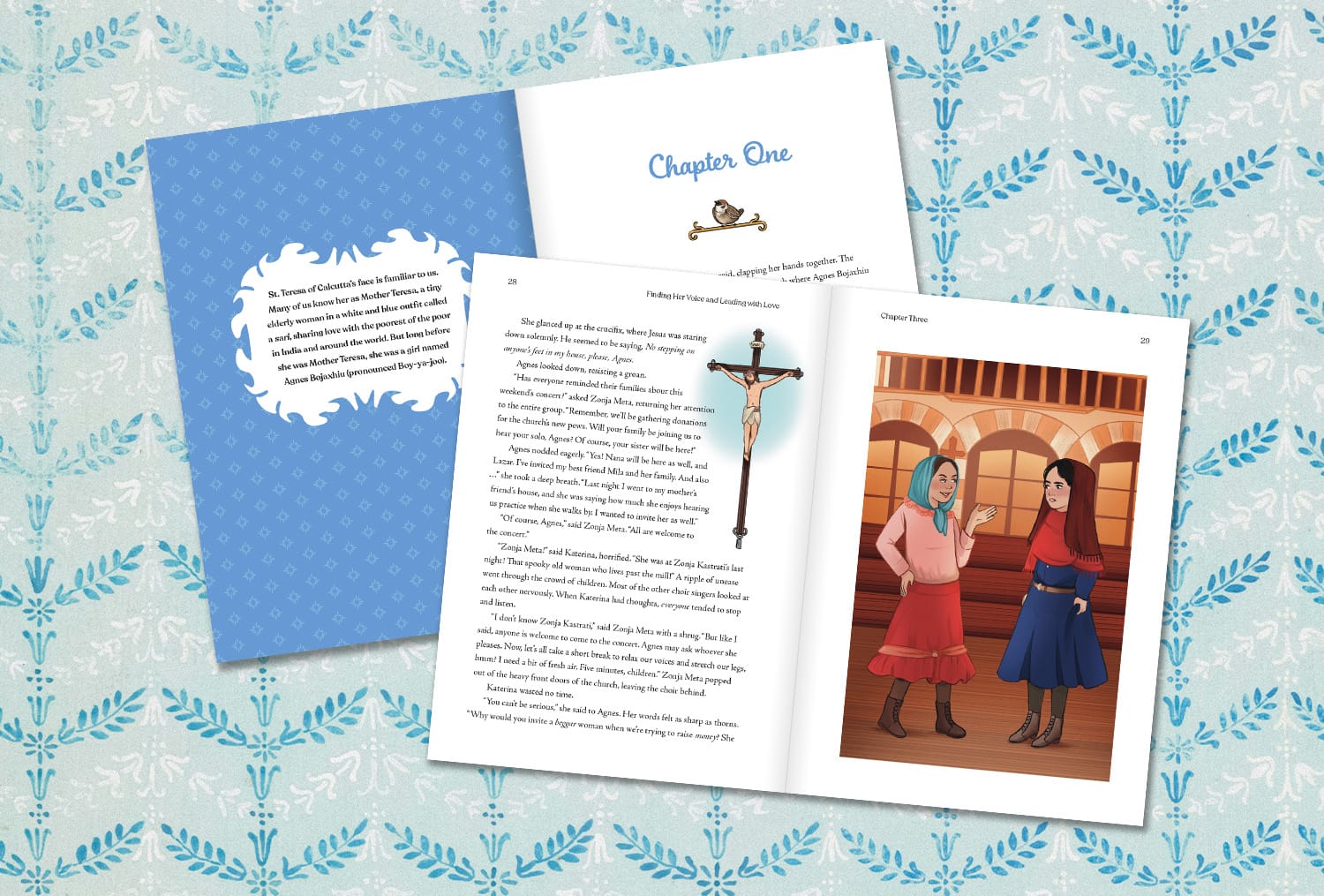
For example, in the young Mother Teresa volume, readers meet 12-year-old Agnes Gonxha Bojaxhiu navigating relatable middle-school territory. The narrative invents dynamic everyday scenarios — such as Agnes standing up to a gossiping bully in her church choir who accuses an impoverished neighbor of being a witch while she is really only lonely and outcast. While the specifics are imagined, they are faithful to the spirit of the woman who would one day walk the slums of Calcutta.
Unpolished haloes and real growing pains
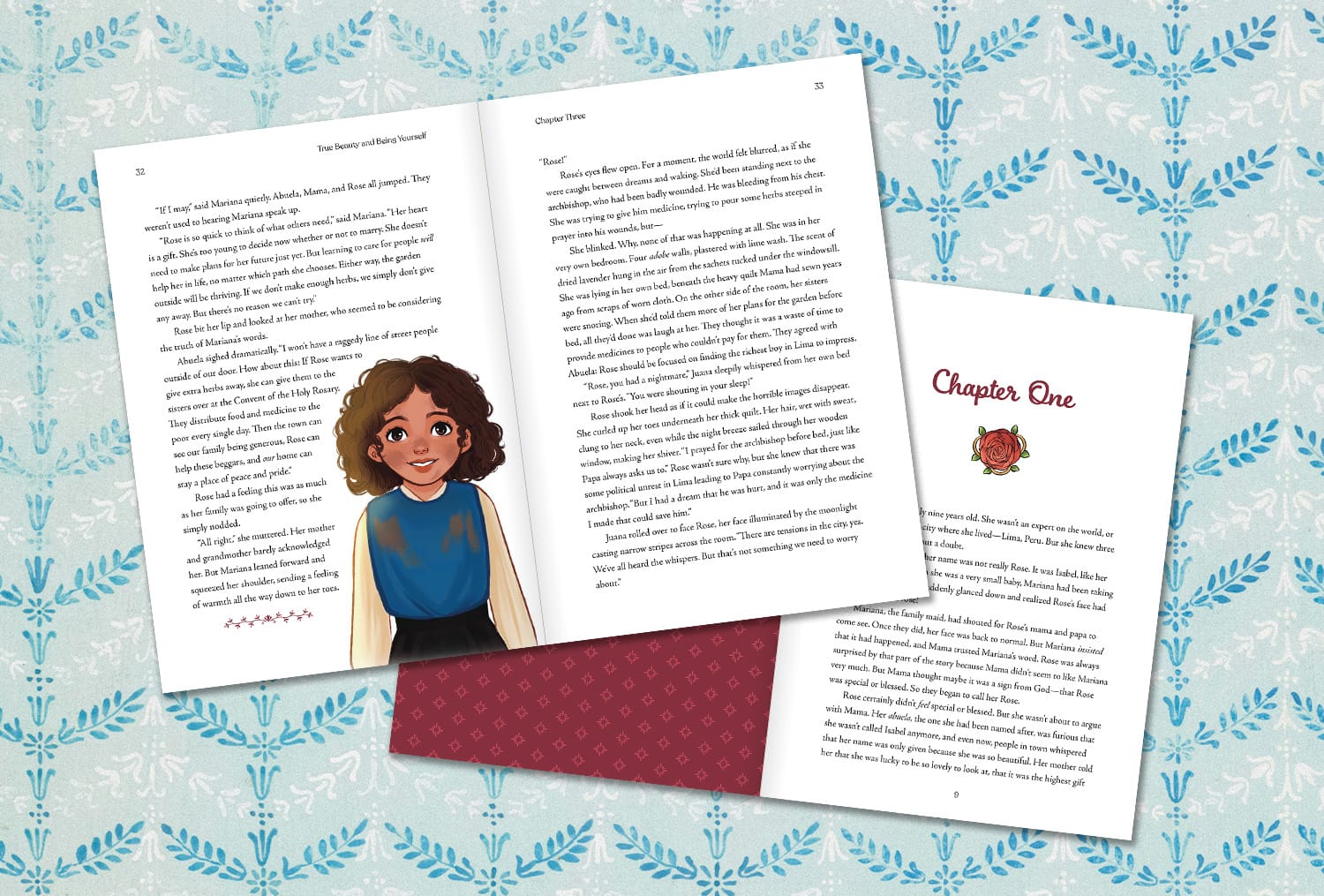
The books steer away from depicting saints as born with folded hands and pre-polished halos. Young Agnes experiences genuine insecurities, social conflict, and the awkward growing pains familiar to any preteen.
“I think it’s important to remember that saints aren’t Jesus. While they led holy lives and have traits we should emulate, they’re still fully human, meaning that they, too, were sinners who made mistakes,” Swinarski said. “Teresa of Calcutta is known as a great leader. But nobody is born a great leader.… I never want children to have the impression that in order to become a saint, they must be perfect. That isn’t attainable or realistic. It isn’t just meek, quiet, obedient children who become saints. The feisty, brave, precocious children are called to sainthood, too!”
The narrative also weaves in charming, little-known historical truths: Agnes really was a church choir singer and a featured soloist. Led by the radical domestic charity modeled by her mother, Drana, the book gives girls an inside look at a young girl discovering her identity and discerning how to use her talents for God.
The courage of the daily ‘fiat’
In a culture that often confuses Christian surrender with passivity or weakness, the series frames saying “yes” to God as an act of daring.
“Giving God your ‘fiat’ is one of the hardest things you’ll do in your life. Lucky for us, He gives us the opportunity to do so over and over and over again,” Swinarski noted. “Most days, this looks small — should I gossip about my neighbor, or not? Should I pray, or not? Should I give the task in front of me my all, or not? But those are still tiny fiats that will add up over time. They still require immense courage — asking girls to stand up for someone being bullied, or to not go along with a sinful trend their friends are partaking in, is asking them to have incredible bravery.”
By centering these small, daily acts of courage, the stories equip young readers with spiritual muscle memory for the larger vocations awaiting them as adults.
Built for everyday reading
Beyond both the rich historical and personable storytelling, the physical books are thoughtfully designed for the rhythms of family life. Slim, durable, and highly portable, they are perfect for slipping into school backpacks or mom’s purse for on-the-go reading. The vibrant illustrations scattered throughout the books break up the chapters and help young readers envision the story playing out.
“If I have one hope for the Fiat Girls books, it’s that they would plant a seed in young girls’ hearts that propels them towards sainthood,” Swinarski shared. “Sometimes it’s tempting to think that we’re living in remarkably difficult times, when the truth is, it’s never been ‘easy’ to be holy. But it’s always been simple — to love God with your whole heart, and give him your yes. Girls can do that no matter what their temperament or time period is, and I hope these books demonstrate that for young girls today.”
For parents seeking character-driven literature that takes both history and holiness seriously, Fiat Girls offers a refreshing alternative to standard secular fare. By portraying holy women as imperfectly human yet warm and courageous girls who grew into grace, the series is a solid introduction to lifelong companions who demonstrate that sanctity is well within every girl’s reach.


Comments