Trump DOJ moves to loosen federal regulations on medical marijuana
The Trump administration’s Department of Justice (DOJ) announced April 23 that it was moving to loosen federal restrictions on state-licensed medical marijuana by reclassifying it as a “less dangerous” drug.

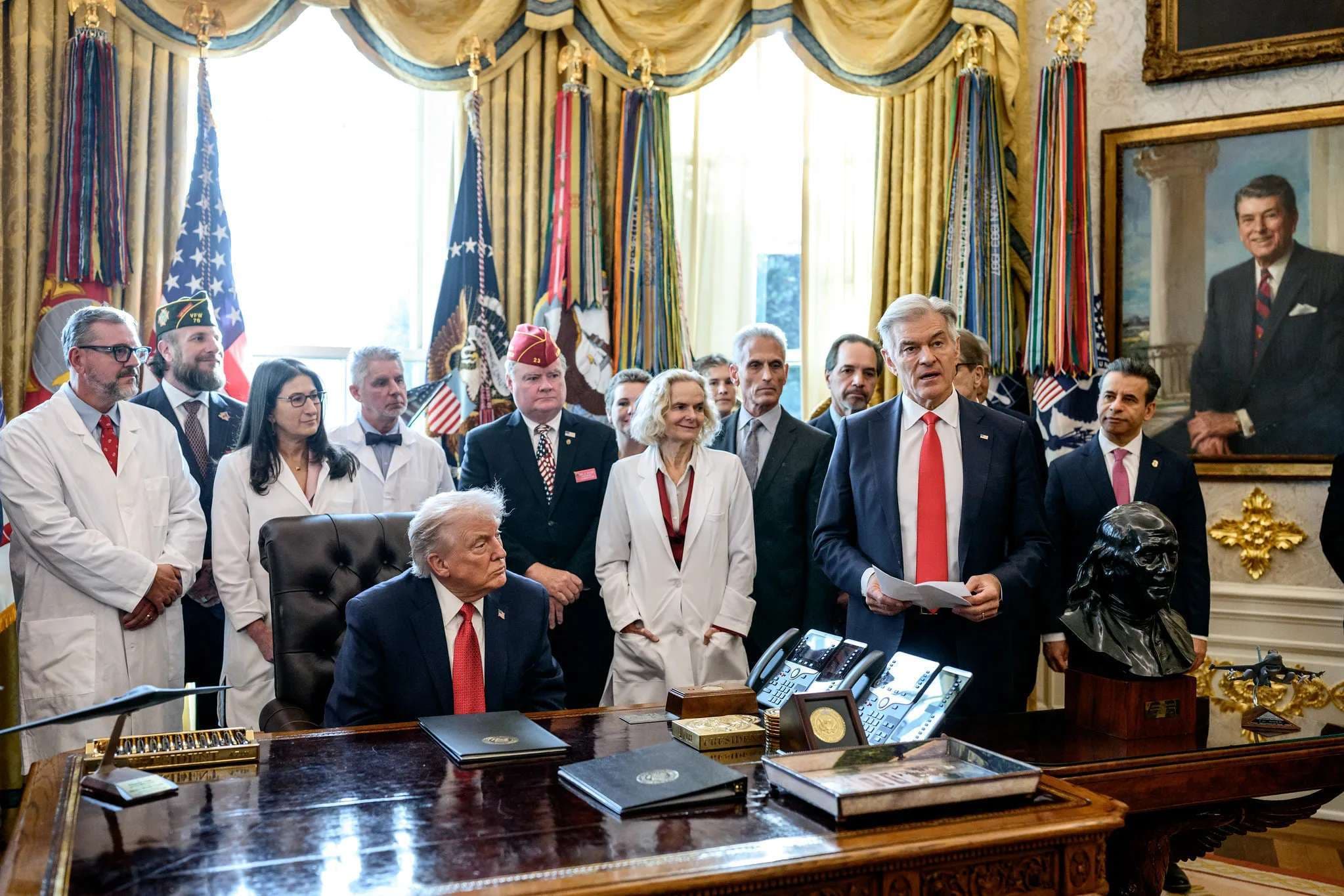
The Trump administration’s Department of Justice (DOJ) announced April 23 that it was moving to loosen federal restrictions on state-licensed medical marijuana by reclassifying it as a “less dangerous” drug.
In an April 23 X post, Acting Attorney General Todd Blanche said he signed an executive order directing the immediate reclassification of Food and Drug Administration-approved marijuana and state-licensed marijuana from Schedule I to Schedule III. He also called for an “expedited hearing” to fully reschedule the drug.
Under the federal Controlled Substances Act, Schedule I is the most restrictive drug classification, and drugs in this category are deemed to have “no currently accepted medical use” and a “high potential for abuse.” Schedule III drugs, on the other hand, are considered to have a “moderate to low potential for physical and psychological dependence” and include ketamine, testosterone, and Tylenol with codeine.
The change does not legalize marijuana at the federal level, but it reduces regulatory barriers for medical cannabis programs that are already legal in some states. The DOJ said in a press release that a hearing will be held on June 29 to “evaluate broader changes to marijuana’s status under federal law.”
“The Department of Justice is delivering on President Trump’s promise to expand Americans’ access to medical treatment options,” Blanche said in the release. “This rescheduling action allows for research on the safety and efficacy of this substance, ultimately providing patients with better care and doctors with more reliable information.”
In December 2025, President Donald Trump signed an executive order directing federal agencies to reclassify marijuana, as Zeale News previously reported. In a fact sheet at the time, the White House said the reclassification was intended to remove barriers that have limited scientific research into the drug and argued that the drug is useful in treating conditions such as illness-related anorexia, nausea and vomiting, and pain.
The announcement also comes days after Trump signed an April 18 executive order authorizing expanded research into psychedelic drugs as treatments for serious mental illnesses and accelerating the drug approval process, Zeale News reported.
>> Is Trump's order on psychedelics prioritizing health as it promises? <<
Critics of the DOJ’s most recent move argue the administration may have bypassed standard regulatory procedures and created unintended consequences. CatholicVote Director of Government Affairs Tom McClusky said the policy change effectively amounts to a backdoor legalization of medical marijuana at the federal level.
“In an appalling turn of events, the President has skipped over all requirements and violated multiple laws to reschedule immediately and back-door federally legalize medical marijuana,” McClusky said in a statement to Zeale News.
He added that the administration canceled administrative law hearings already underway on the issue and bypassed “mandatory Office of Management and Budget review processes.”
McClusky also raised concerns about the broader implications of reclassification, arguing that moving marijuana to Schedule III could allow cannabis businesses to claim more than $2 billion per year in federal taxes and expand access to federal benefits and financial systems.
“These tax breaks could also go to state-legal Chinese marijuana farms and drug cartels,” he said.
He also warned that the change could complicate federal drug testing rules, saying, “Without proper guardrails, rescheduling marijuana would prevent the Department of Transportation from testing safety-sensitive industry employees (like pilots and truck drivers) for marijuana.”
CatholicVote had warned against loosening federal marijuana restrictions in December, days before Trump signed the executive order. In August 2025, CatholicVote President and CEO Kelsey Reinhardt also called “today’s cannabis” a “high-potency, brain-altering substance linked to anxiety, psychosis, and addiction.”
“God granted us dignity beyond every other creature,” Reinhardt said at the time. “We are made in His image and likeness in that we have reason and rational thought. Altering our ability to reason removes us from access to the truth – most importantly, the ultimate truth of God Himself.”
>> CatholicVote President Kelsey Reinhardt: Why we firmly oppose reclassifying marijuana <<







Comments