Trump says ceasefire remains intact after US destroyers come under Iranian fire in Hormuz Strait
U.S. Navy guided-missile destroyers USS Truxtun, USS Rafael Peralta, and USS Mason came under unprovoked attack by Iranian missiles, drones, and small boats while transiting the Strait of Hormuz in international waters May 7, U.S. Central Command (CENTCOM) said.

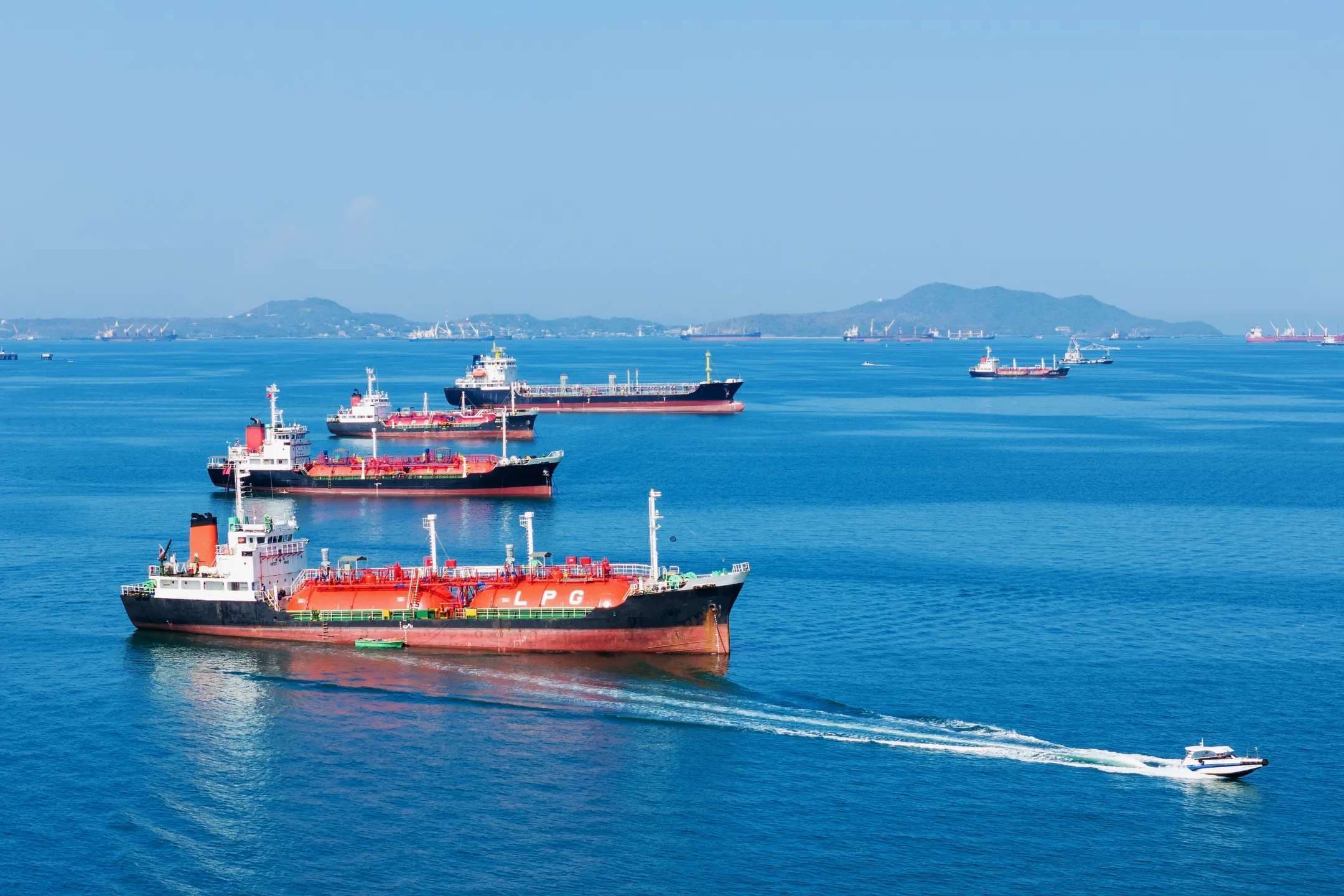
U.S. Navy guided-missile destroyers USS Truxtun, USS Rafael Peralta, and USS Mason came under unprovoked attack by Iranian missiles, drones, and small boats while transiting the Strait of Hormuz in international waters May 7, U.S. Central Command (CENTCOM) said.
All incoming threats were intercepted and no American vessels or personnel were hit. In response, the U.S. military carried out self-defense strikes on Iranian military facilities, specifically targeting missile and drone launch sites, command-and-control centers, and intelligence nodes at Iran’s Qeshm Port and Bandar Abbas, a senior U.S. official told Fox News chief national security correspondent Jennifer Griffin. The official stressed that the limited action did not amount to a recommencement of the war or an end of the ceasefire.
President Donald Trump later described the confrontation in a Truth Social post, saying the destroyers came under fire while transiting the Strait of Hormuz. Iranian missile batteries, drones, and small attack boats were “completely destroyed” in the U.S. response, he stated.
“Three World Class American Destroyers just transited, very successfully, out of the Strait of Hormuz, under fire,” Trump continued. “There was no damage done to the three Destroyers, but great damage done to the Iranian attackers.”
Trump said the destroyers would return to enforcing the U.S. naval blockade around Iran and warned Tehran that the U.S. would respond “a lot harder, and a lot more violently” if Iran did not quickly agree to a deal over its nuclear program and regional security issues.
Those statements came after Iranian officials initially claimed the U.S. had violated the ceasefire and fired first, targeting an Iranian oil tanker heading from Jask coastal waters toward the Strait of Hormuz and another vessel near the Emirati port of Fujairah. Iran also claimed the U.S. conducted airstrikes — with cooperation from some regional countries — on civilian areas along the coasts of Bandar Khamir, Sirik, and Qeshm Island.
Iran’s Khatam al-Anbiya Central Headquarters said its forces then responded with a “large and precise” operation that inflicted severe damage on U.S. ships east of the strait and south of Chabahar.
The exchange occurred against the backdrop of active, Pakistan-mediated negotiations for a limited one-page memorandum of understanding aimed at easing tensions and facilitating a full peace deal. Under the emerging framework Iran is reviewing, the two sides would first focus on reopening the Strait of Hormuz to unrestricted international shipping, with nuclear-related issues — including limits on uranium enrichment — and sanctions relief to be addressed in later talks within a window of about 30 days, as Zeale News reported.
“The strikes against Iranian targets are just a ‘love tap’,” Trump told ABC News May 7. He insisted that the ceasefire is still in effect.







Comments