US, Iran reportedly near preliminary deal to end war
The U.S. and Iran are “closing in” on a preliminary agreement that would halt the fighting and launch broader negotiations over Tehran’s nuclear program, according to Axios, which cited U.S. officials and sources briefed on the talks. Trump confirmed May 6 that his most recent talks with Iran were “very good.”

The U.S. and Iran are “closing in” on a preliminary agreement that would halt the fighting and launch broader negotiations over Tehran’s nuclear program, according to Axios, which cited U.S. officials and sources briefed on the talks. Trump confirmed May 6 that his most recent talks with Iran were “very good.”
The proposed one-page memorandum of understanding, being negotiated by U.S. envoys Steve Witkoff and Jared Kushner alongside Iranian officials through direct and mediated talks, would formally end the conflict and establish a 30-day negotiating period focused on Iran’s nuclear program, sanctions relief, and reopening transit through the Strait of Hormuz.
Axios reported the framework under discussion would include an Iranian moratorium on uranium enrichment, enhanced international inspections, and commitments by Tehran not to pursue a nuclear weapon. In exchange, the U.S. would gradually lift sanctions and release billions of dollars in frozen Iranian funds. Restrictions around shipping through the Strait of Hormuz and the U.S. naval blockade would also be eased during the negotiation period.
The proposed memo is reportedly not a final peace or nuclear agreement but a framework intended to prevent renewed fighting while negotiators work toward a more comprehensive deal. Talks for a permanent agreement could take place in Islamabad or Geneva, according to the report.
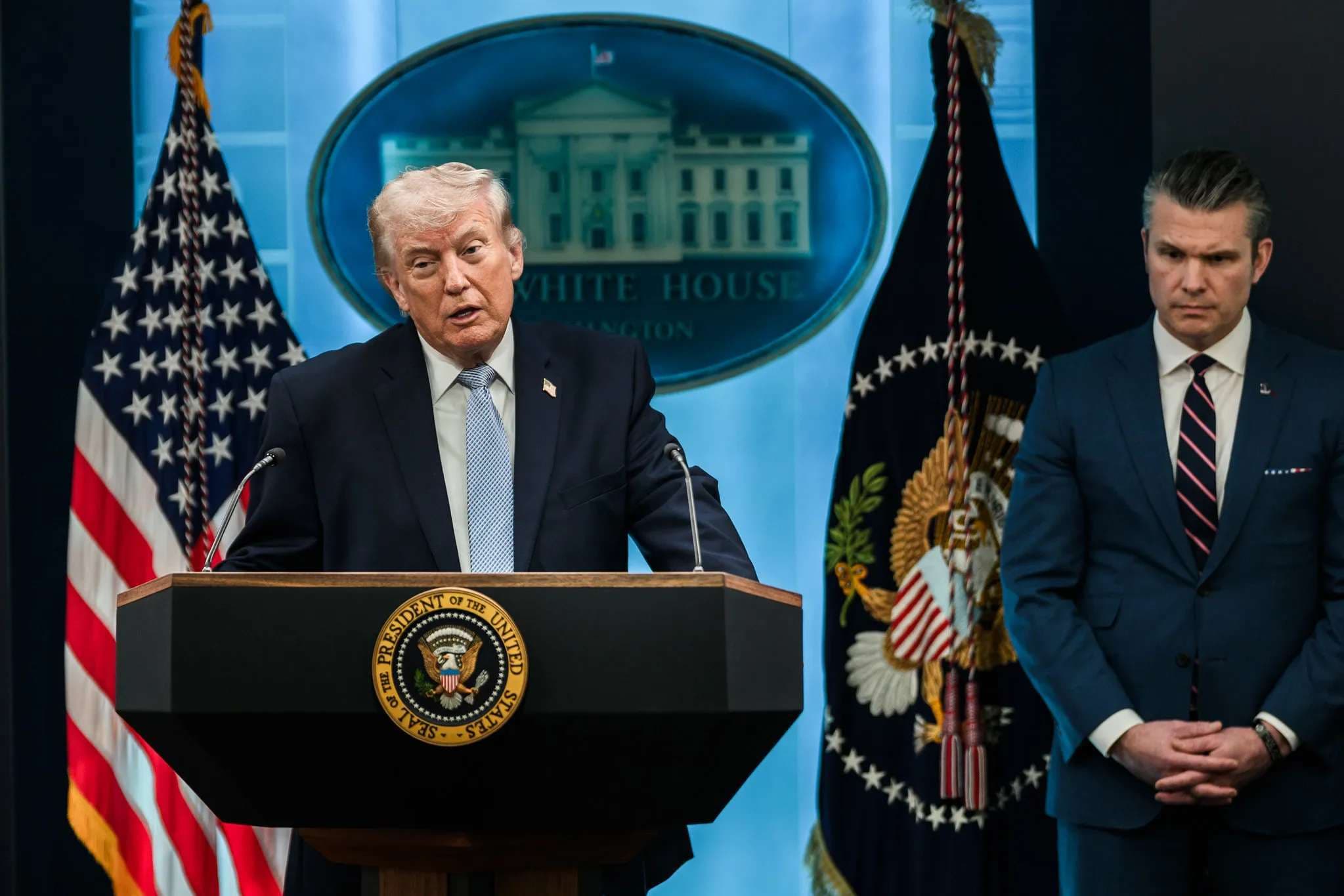
President Donald Trump signaled optimism May 6, telling reporters at the White House that the U.S. had “very good talks over the last 24 hours” and saying “it’s very possible that we’ll make a deal.” He also warned that if Iran did not agree, “they’ll end up agreeing shortly thereafter.”
Trump also said Iran had agreed not to pursue a nuclear weapon. “Iran cannot have a nuclear weapon, and they won't. And they've agreed to that, among other things,” Trump told reporters.
As Zeale News previously reported, Oman Foreign Minister Badr Albusaidi, who then served as the main intermediary between Iran and the U.S., had publicly claimed hours before the outbreak of the war that Iran had already agreed in principle not to pursue a nuclear weapon and to engage in “zero enrichment.” Albusaidi described the development on Feb. 27 as a “breakthrough” in negotiations. The U.S. did not publicly acknowledge the reported agreement before striking Iran hours later.
Axios now reports that unresolved issues include how long Iran would suspend uranium enrichment. The U.S. has reportedly pushed for a 20-year moratorium, while Iran proposed five years. Sources cited by Axios said negotiators were discussing a compromise of roughly 12 to 15 years.
The report also said U.S. officials believe divisions within Iran’s leadership could still derail any agreement, despite what officials described as the closest the two sides have come to a breakthrough in negotiations since the conflict began.
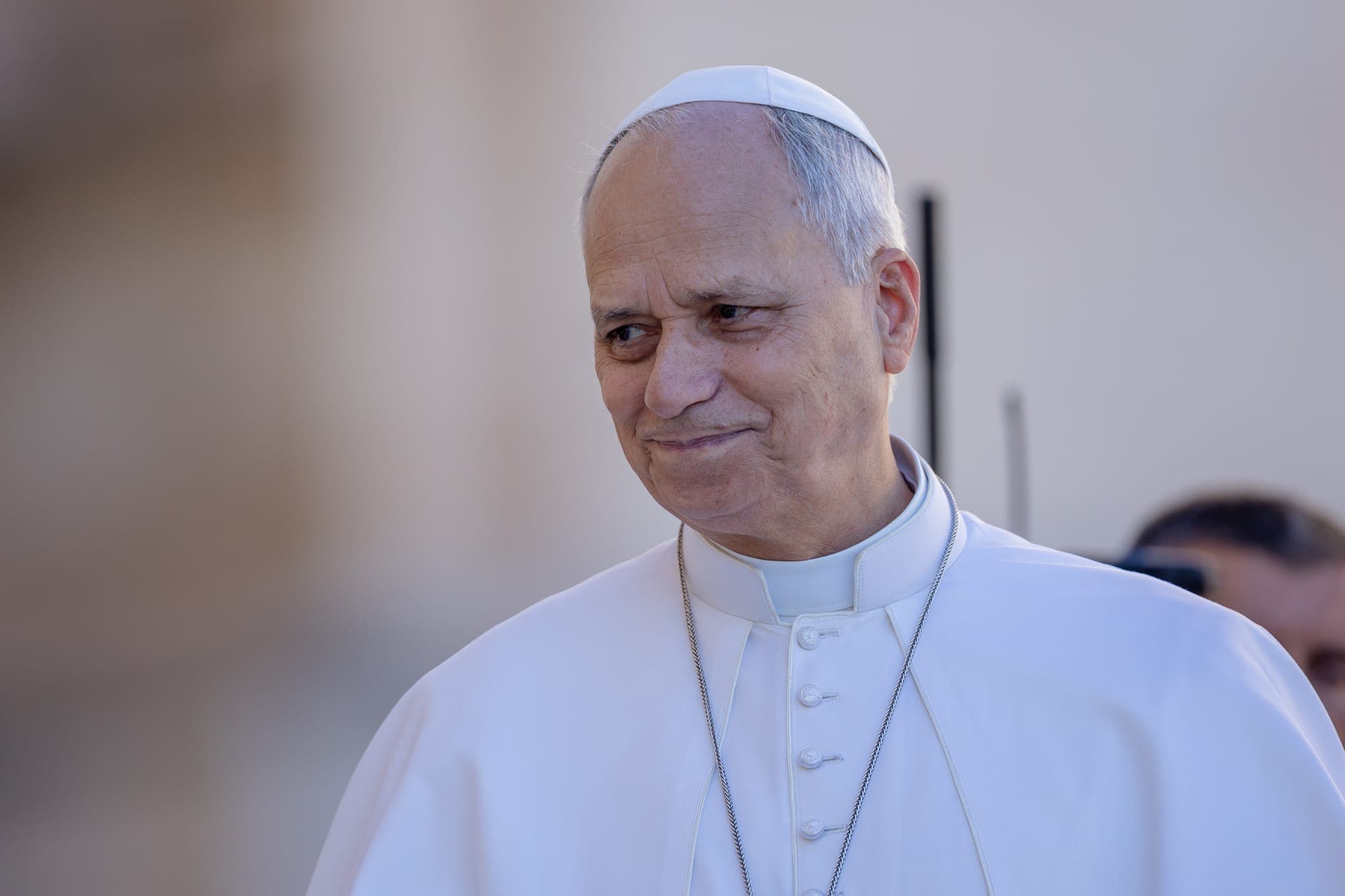
Trump again accuses Pope Leo of backing Iranian nuclear ambitions
Trump again accused Pope Leo XIV of suggesting Iran should be allowed to obtain a nuclear weapon, telling reporters May 6 ahead of Secretary of State Marco Rubio’s audience with the Holy Father that “Iran cannot have a nuclear weapon” and claiming the Pope “seemed to be saying that they can.”
As Zeale News previously reported, Trump has repeated the accusation several times in recent weeks, including in an April 12 Truth Social post and subsequent remarks to reporters, though Pope Leo has never publicly supported Iran developing nuclear arms.
Pope Leo pushed back on the accusation May 5, reaffirming the Catholic Church’s longstanding opposition to nuclear weapons and saying, “the Church has spoken for years against all nuclear weapons, so there is no doubt about this.”
.jpg&w=3840&q=75)




Comments