US bishop highlights humanitarian crisis in Lebanon: ‘not their war, but they're the victims’
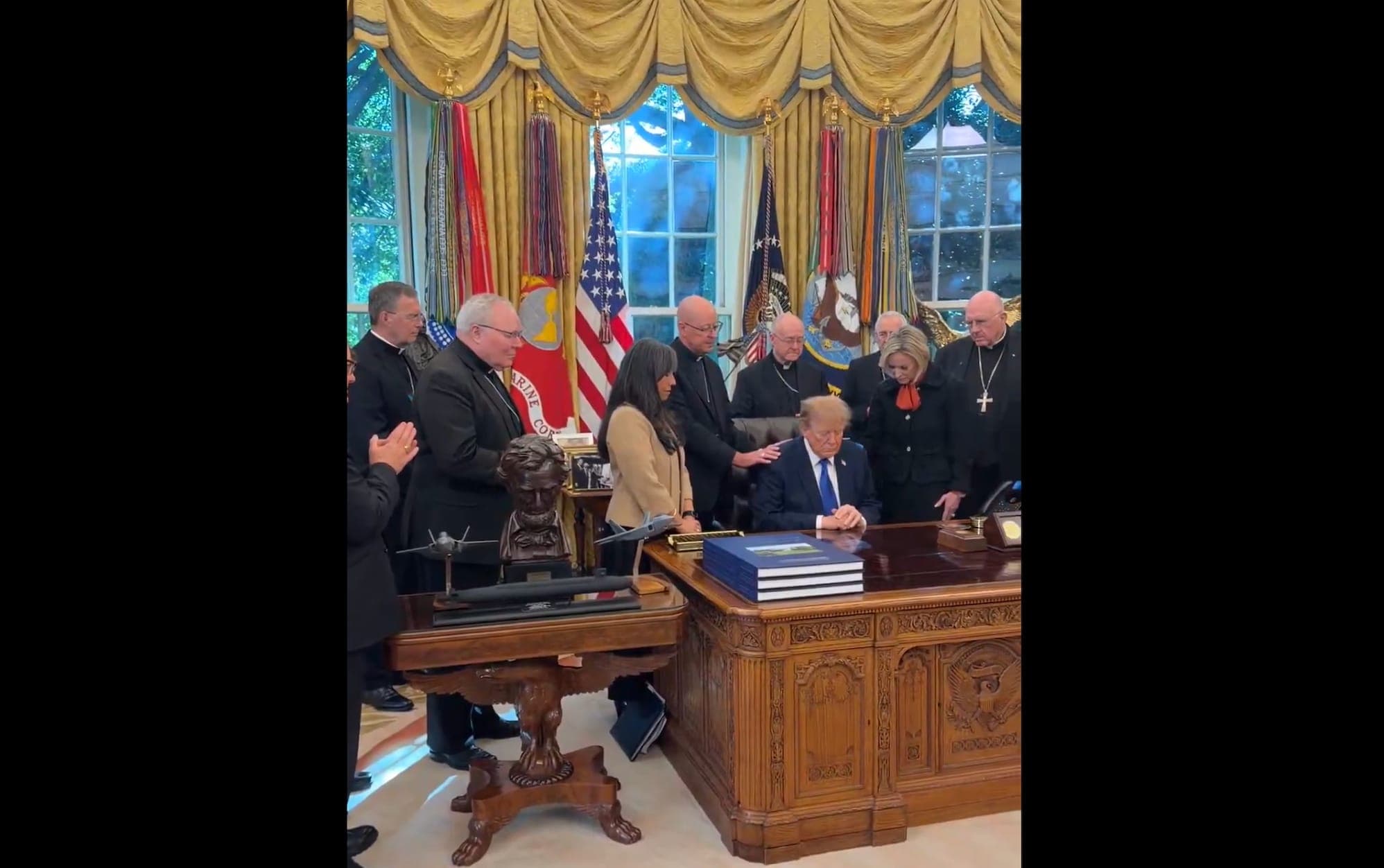
Bishop Abdallah Elias Zaidan, who serves as the Marionite Eparch of Our Lady of Lebanon of Los Angeles and chairman of the United States Conference of Catholic Bishops' Committee on International Justice and Peace, issued a statement April 9 calling on President Donald Trump and the international community to ensure victims in Lebanon receive greater access to food and medical supplies.

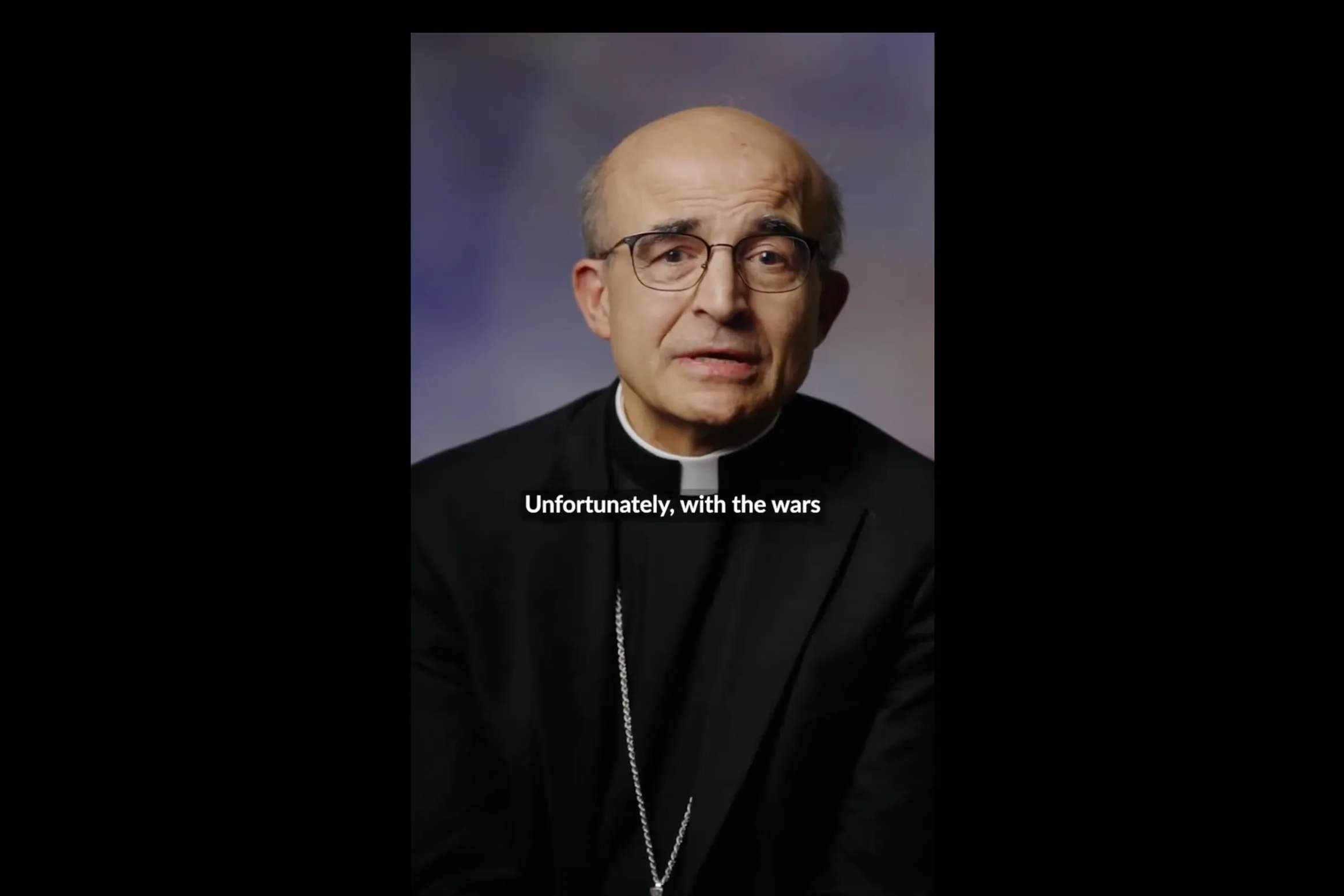
Bishop Abdallah Elias Zaidan, who serves as the Marionite Eparch of Our Lady of Lebanon of Los Angeles and chairman of the United States Conference of Catholic Bishops' Committee on International Justice and Peace, issued a statement April 9 calling on President Donald Trump and the international community to ensure victims in Lebanon receive greater access to food and medical supplies.
Lebanon’s crisis
At least 1,739 people have been killed and 5,873 wounded in Lebanon since Israel launched its new military campaign March 2, according to Lebanon's Health Ministry.
As Zeale News reported, Israeli strikes killed more than 300 people and wounded over 1,150 on April 8 alone in a coordinated wave of attacks. Lebanese Prime Minister Nawaf Salam condemned the attacks as being committed "in utter disregard for the principles of international law and international humanitarian law,” while Lebanese President Joseph Aoun called the strikes "barbaric."
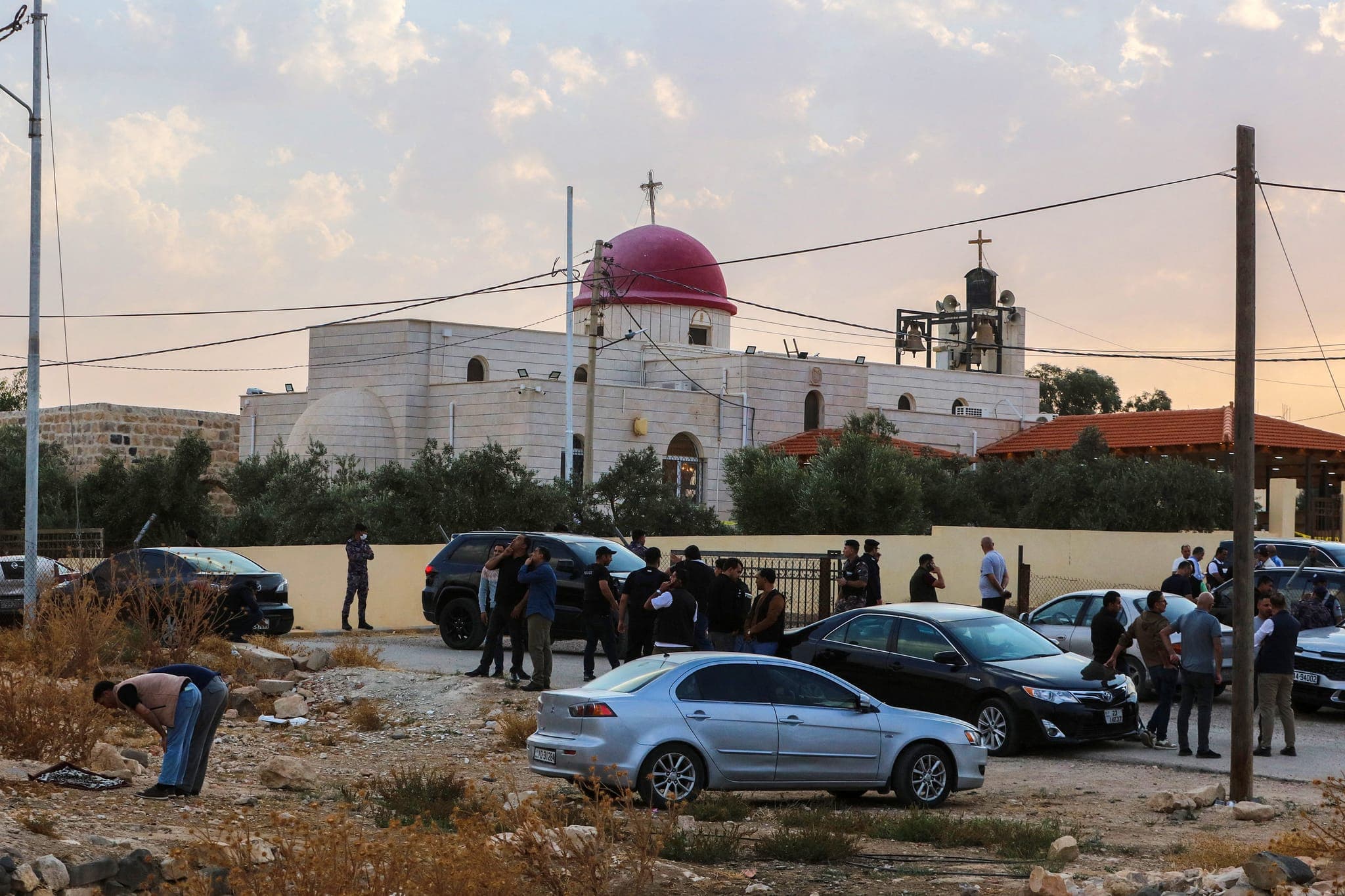
Christians have been especially vulnerable, with southern border villages like the Maronite town of Qlayaa among the hardest hit. On March 9, in the first days of the escalation, parish priest Father Pierre al-Rahi was killed when an Israeli tank fired on a house where he was ministering to parishioners who had refused evacuation orders and chosen to stay in their homes. The killing sparked worldwide Catholic mourning and prompted large funeral processions attended by tens of thousands.
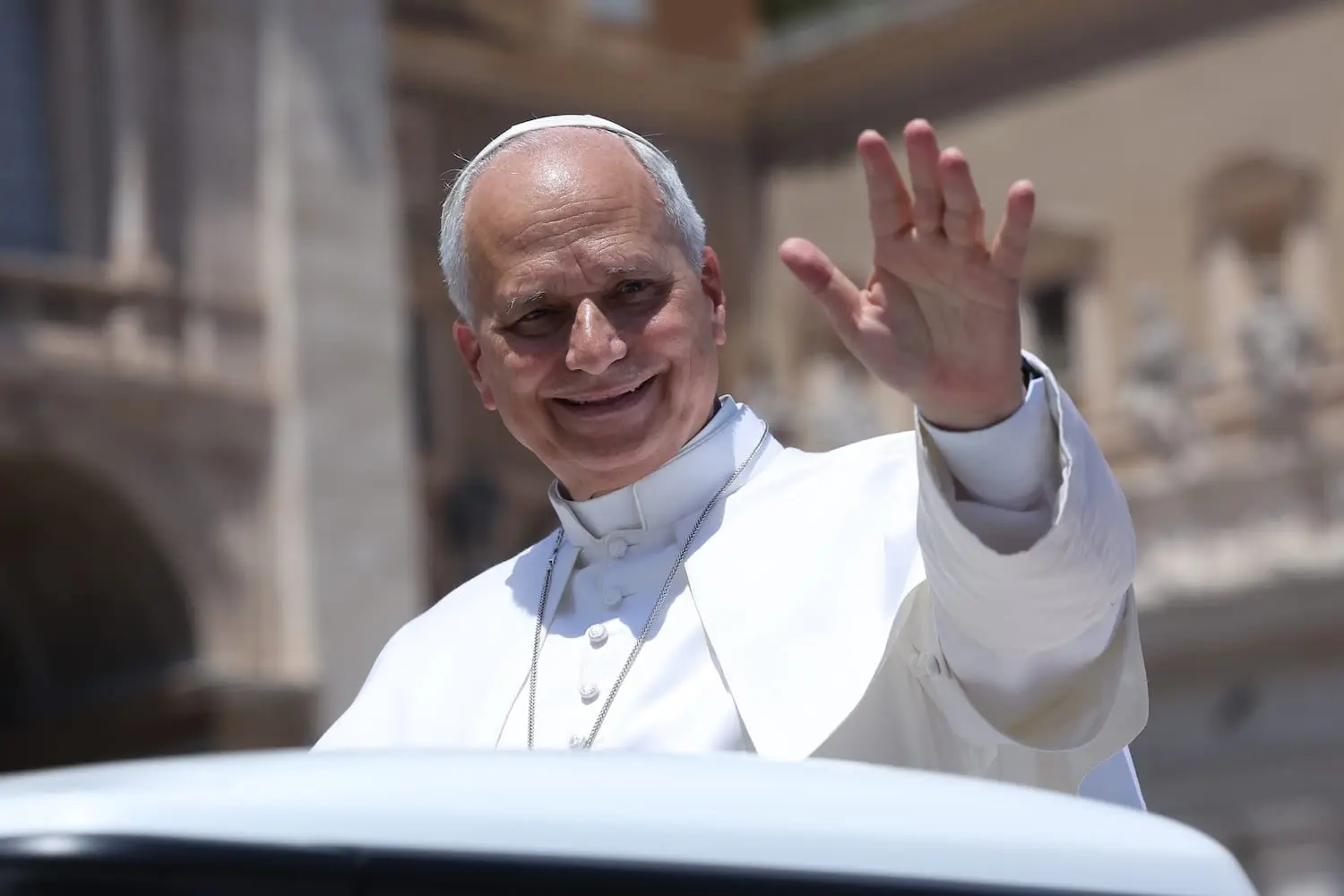
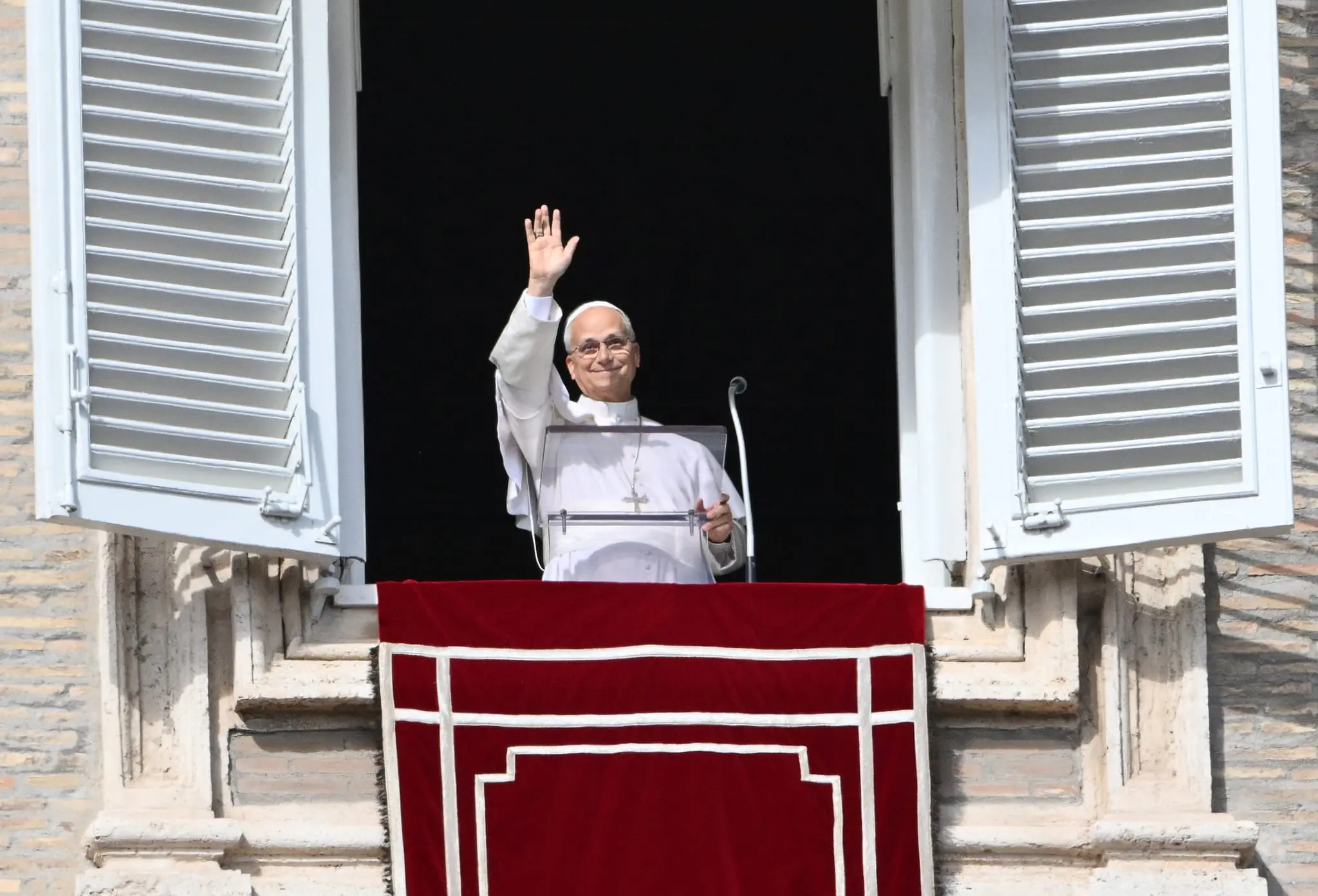
Pope Leo XIV expressed "profound sorrow" for his death, specifically naming the priest among "the many innocent people" killed in the bombardments.
>> Catholic priest killed in Israeli strike on Christian village in southern Lebanon <<
How American Catholics can respond
The humanitarian toll in Lebanon has drawn mounting concern from Catholic leaders.
“I am grateful for the ceasefire between the United States, Israel, and Iran, and pray for all sides to engage in effective dialogue to end this devastating war,” Bishop Zaidan said. “I am disappointed, however, to learn that the agreement does not cover Lebanon, and thus falls short of encompassing the entire region where the conflict has been raging.”
The bishop cited Lebanon’s alarming displacement figures — over one million people displaced, including an estimated 370,000 children.
"I acknowledge that the people of Israel have the right to live in peace, as well as the innocent Lebanese civilians who are currently suffering from lack of food, medical supplies, and from paralyzing fear," he said.
The bishop said a full disarmament of Hezbollah and the implementation of existing United Nations resolutions in Lebanon are prerequisites for lasting peace.
Bishop Zaidan also invoked a message from Pope Leo XIV, quoting the part of the Holy Father’s Easter address that was directed at Lebanon: "May you, in the midst of feelings of pain, anxiety, and mourning, come to know in your hearts a deeper joy: Jesus has gloriously triumphed over death. It is a joy that comes from Heaven and that nothing can take away.”
In a separate video statement on X, Bishop Zaidan also spoke directly to the plight of Christians and other civilians in the region, who he said are bearing the brunt of a war that is not theirs.
"Catholics in the Middle East are caught really in the middle — it's not their war, but they're the victims," Bishop Zaidan said. "They want peace. They want to live and take care of their families. They want to provide the essential elements for them."
"Some of them lose their homes, some of them lost their incomes to feed their families, schools are closed, and many other essential institutions are also closed," he said.
Bishop Zaidan closed with a direct appeal to American Catholics, urging both prayer and civic action.
"Each one, let's keep them in mind. Pray for them, think about them, and maybe after that, also contact your representative to make sure this war will end soon and we'll have a peace in the whole Middle East," he said. "No more wars, no more struggles, no more difficulties."
New negotiations
Israel said April 9 it is prepared to open direct negotiations with Lebanon focused on disarming Hezbollah and establishing peaceful relations, even as disputes continue over whether Lebanon should have been included in a fragile U.S.-Iran ceasefire.
In a post on X, Israeli Prime Minister Benjamin Netanyahu said he had instructed officials to begin talks “as soon as possible” following what he described as repeated Lebanese requests for negotiations. He said the discussions would center on Hezbollah’s disarmament and broader steps toward peace, adding that Israel welcomed calls from Lebanon’s prime minister to demilitarize Beirut.
The ceasefire
The development comes amid growing tension over a two-week ceasefire announced April 7 between the U.S., Israel, and Iran. U.S. and Israeli officials, including President Donald Trump, have said the agreement does not apply to Lebanon or the separate Israel-Hezbollah conflict, describing it as a distinct and separate conflict.
>> Iran War Day 39: Trump announces 2-week Iran ceasefire after deadline threat <<
Iran and Pakistan, which helped broker the ceasefire, have characterized the deal differently, saying the truce was intended to cover the “entire region, including Lebanon.”
The conflicting interpretations have raised concerns about the durability of the ceasefire and the risk of further escalation in a country already in crisis from the ongoing war.




Comments