Catholic priest killed in Israeli strike on Christian village in southern Lebanon where Hezbollah fighters reportedly staged counteroffensive
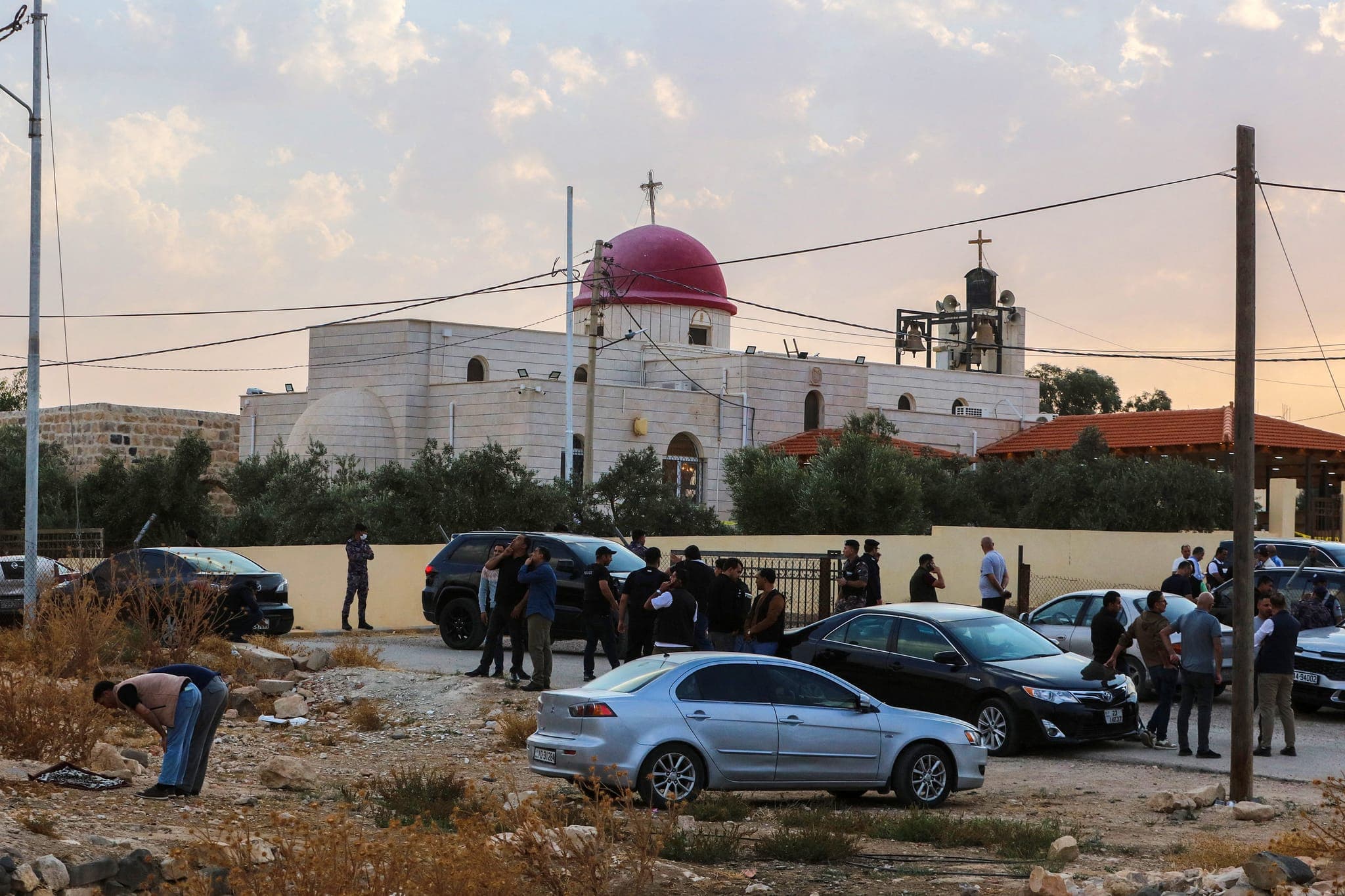
A Lebanese Maronite Catholic priest was killed March 9 when an Israeli tank shell struck a home in the Christian-majority village of Qlayaa in southern Lebanon amid ongoing clashes with Hezbollah, according to local officials and reports.

A Lebanese Maronite Catholic priest was killed March 9 when an Israeli tank shell struck a home in the Christian-majority village of Qlayaa in southern Lebanon amid ongoing clashes with Hezbollah, according to local officials and reports.
Father Pierre al-Rahi, the parish priest of St. George Church, remained in the village with other clergy and residents despite an Israeli evacuation order, The National reported. Since the Feb. 28 onset of the Iran war, Israel has carried out strikes on suspected Hezbollah positions in southern Lebanon, south Beirut, and the Bekaa Valley.
According to Lebanese Parliament member Samy Gemayel, the Israeli attack came after a Hezbollah fighter entered one of the village’s homes. Gemayel said on X that Fr. al-Rahi went to the house along with local officials after an initial strike injured people inside. The home was then shelled again, leaving the priest critically wounded. He later died from injuries, according to AsiaNews.
Avichay Adraee, an Arabic-language spokesman for the Israeli army, told The National that Israel had “neutralised a cell affiliated with Hezbollah entering a site located in a Christian village in southern Lebanon.”
However, Qlayaa’s mayor, Hanna Daher, said claims that armed fighters had occupied the house were “lies,” according to AsiaNews. He added that there “were only the residents of the house and people from the village who had come to help the wounded.”
Qlayaa — a Maronite village of about 8,000 residents located a few miles from the Israeli border — has remained largely populated even as fighting intensified in the region.
In a speech given just three days before his death, Fr. al-Rahi said locals decided to remain in their towns despite the danger, “because these are our homes and we will not leave them. We will not allow anyone to enter our village and use it for anything.”
“None of us carry any weapons,” he added, according to a video translated by human rights activist Ihab Hassan. “We carry nothing but the weapons of peace, goodness, love, prayer, and more prayer.”
In the wake of Fr. al-Rahi’s death, locals sharply criticized the Lebanese army for failing to protect civilians in neutral southern villages. Gemayel called on Lebanon’s Supreme Defense Council to convene immediately to “take the appropriate decisions, and issue clear orders to the army and directives to the Lebanese wherever they may be.”
Gemayel said residents and officials have repeatedly requested that the Lebanese army step in and prevent armed elements of Hezbollah, an Iran-backed militant group, from infiltrating towns in the region. Samir Geagea, head of the Lebanese Forces political party, saidon X that the “army has not fulfilled its duty, and the greatest proof of that is what happened” to Fr. al-Rahi.
“The people of Al-Qlaiah, like the people of other towns and villages in the south, do not want their towns to be destroyed or their sons to be martyred in order to correct the balance of power between America and Iran,” Geagea said, according to an unofficial translation.
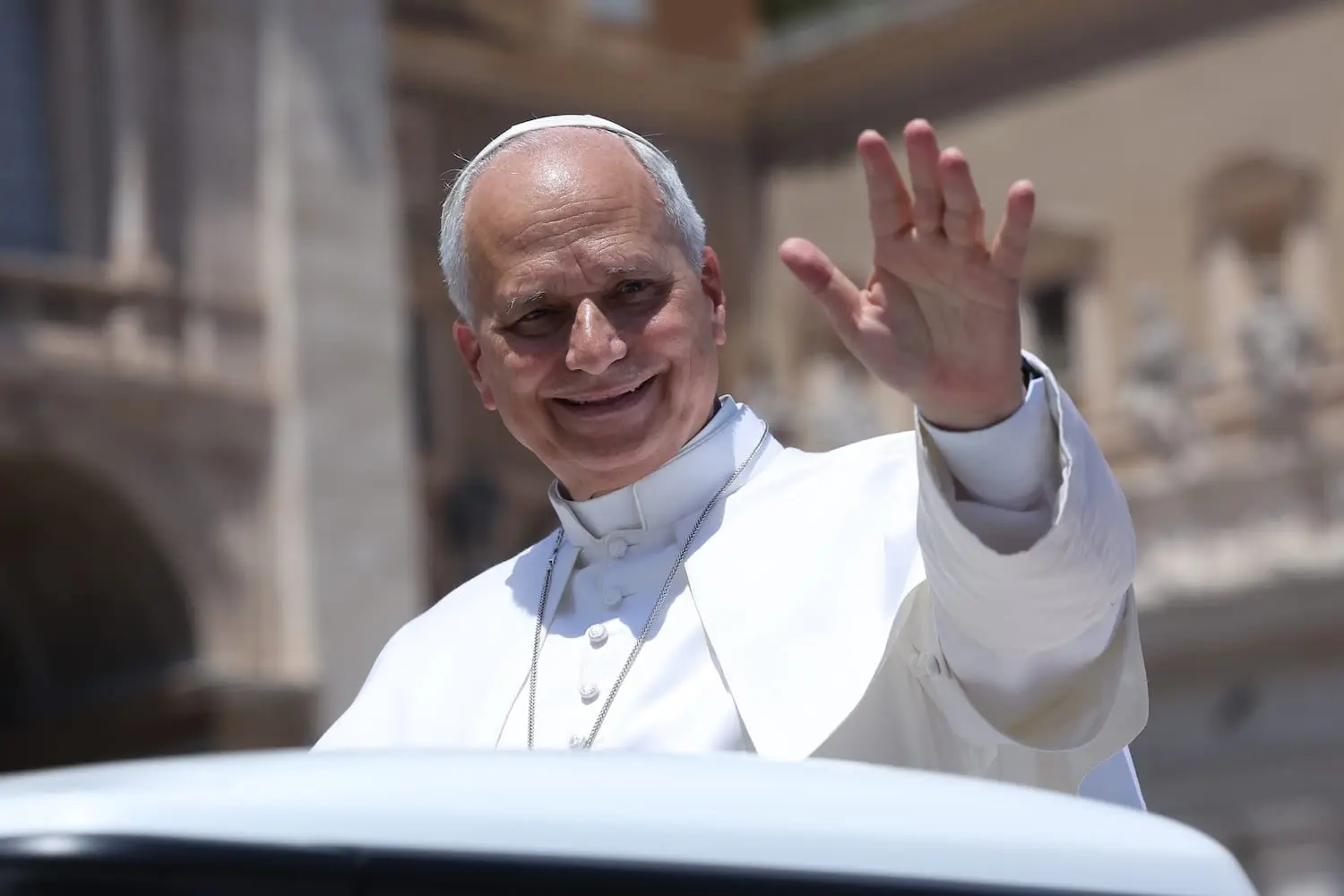
Pope Leo XIV issued a statement March 9 expressing his “deep sorrow for all the victims of the recent bombings in the Middle East, for the many innocent people, including many children, and for those who were helping them, such as Father Pierre El-Rahi, a Maronite priest killed this afternoon in Qlayaa,” according to Catholic journalist Edward Pentin.
The U.S.-Israeli war with Iran has caused widespread displacement across Lebanon, with the United Nations reporting March 9 that nearly 700,000 people have been forced from their homes.
Lebanese President Joseph Aoun made a strongly worded statement March 9 accusing both Israel and Hezbollah of trying “to corner my country” over Iranian, Israeli, and U.S. interests.
As reported by CNN, Aoun accused Israel of having “no respect for the laws of war” or for international law, but also accused Hezbollah of placing “no value on Lebanon’s interest nor on the life of its people” and of working “for the sake of the calculations of the Iranian regime.”
Separately, Human Rights Watch reported that Israel fired unlawful white phosphorus munitions over residential areas in southern Lebanon on March 3. According to the group, white phosphorus is a chemical substance used in artillery shells, bombs, and rockets that ignites when exposed to oxygen and can easily set homes, farmland, and other civilian structures on fire.
Human Rights Watch reported that under international humanitarian law, the use of airburst white phosphorus over populated areas is considered unlawful because it can cause severe burns, fires, and long-term injuries to civilians.
“The Israeli military’s unlawful use of white phosphorus over residential areas is extremely alarming and will have dire consequences for civilians,” Ramzi Kaiss, a Lebanon researcher at Human Rights Watch, said. “The incendiary effects of white phosphorus can cause death or cruel injuries that result in lifelong suffering.”




Comments