Iran War day 54: Trump says Iran halted executions
President Donald Trump announced that Iran would spare eight women facing execution after his public appeal, Iranian forces seized vessels in the Strait of Hormuz, Israeli strikes killed additional civilians in Lebanon, and hard-line supporters staged rallies and missile displays in Tehran.

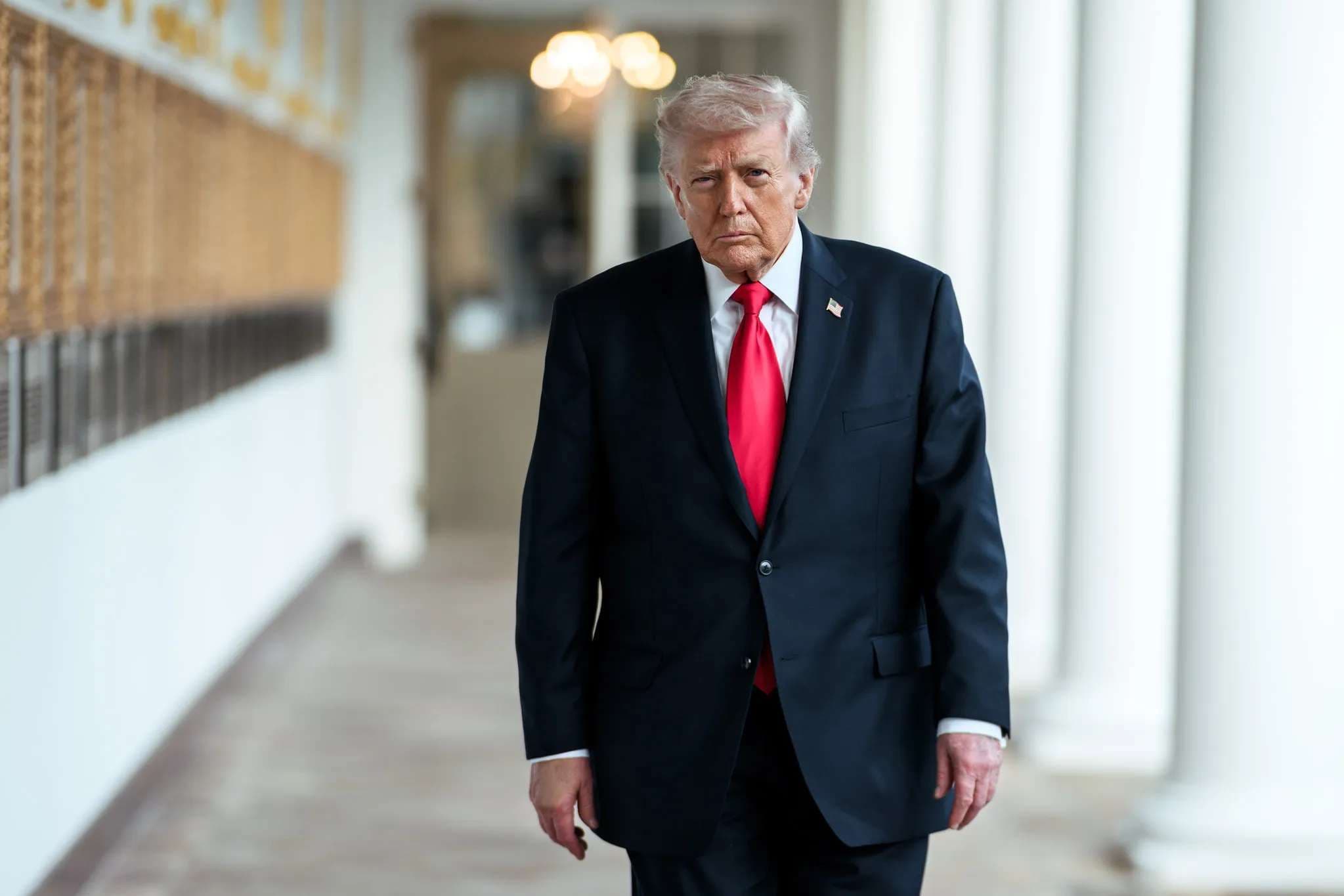
President Donald Trump announced that Iran would spare eight women facing execution after his public appeal, Iranian forces seized vessels in the Strait of Hormuz, Israeli strikes killed additional civilians in Lebanon, and hard-line supporters staged rallies and missile displays in Tehran.
Trump says Iran halted executions after his appeal
Trump said April 22 that Iran will not execute eight women who had been sentenced to death for their involvement in protests against the Islamic Republic, crediting a direct appeal he made a day earlier.
Trump had called for their release on Truth Social on April 21, writing, “Please do them no harm! Would be a great start to our negotiations!!!”
Trump wrote the next day, “Very good news! I have just been informed that the eight women protestors who were going to be executed tonight in Iran will no longer be killed,” adding that he “very much appreciated” that Iran’s leaders “respected my request.”
According to the President, four of the women will be released immediately, while the remaining four will serve one month in prison.
White House press secretary Karoline Leavitt said Trump received “direct word from the Iranian regime, or what’s left of it, that their lives will be spared.”
Iran’s judiciary-affiliated Mizan News Agency disputed the White House’s account, however, accusing Trump of making it up.
“Trump's empty hand in the field has led him to fabricate achievements from false news,” the outlet said in a statement. “Despite the claim from last night being exposed as a lie, Trump, just minutes ago in another post, claimed that the death sentences of eight protesting women who were supposed to be executed tonight in Iran have been canceled, and thanked Iran.”
At the White House, Leavitt urged caution in interpreting statements from Tehran in general.
“We all see a lot of different messaging and rhetoric coming out of Iran — and I would caution you against taking anything they say at face value,” Leavitt said during a press briefing. “What they say publicly is much different than what they concede to the U.S. and our negotiating team privately.”
Iran seizes vessels, fires on ships in Strait of Hormuz
Iranian forces fired upon and seized commercial vessels and cargo ships in the Strait of Hormuz April 22, hours after the United States announced an extension of its ceasefire with Iran.
Iranian state media said the country’s Islamic Revolutionary Guard Corps (IGRC) carried out the operation, seizing two ships and directing them toward Iranian waters. The British military’s United Kingdom Maritime Trade Operations center said Iranian forces also fired on at least three cargo vessels, leaving one heavily damaged.
Iranian authorities said the ships were “disrupting order and safety” or operating without authorization, including alleged manipulation of navigation systems. State television later reported the seized vessels were in Iranian custody.
The incident comes as the U.S. continues a naval blockade of Iranian ports, a move Tehran has warned could prompt further escalation, including threats to close the Strait of Hormuz — a narrow waterway between Iran and Oman that carries about one-fifth of the world’s oil supply.
Israeli strikes in southern Lebanon kill four, wound journalists
Israeli strikes killed at least four people in southern Lebanon on April 22 and wounded several others, including journalists, further straining a ceasefire set to expire in the coming days.
According to Al Jazeera, Lebanon's National News Agency said a strike hit a car in the village of at-Tiri, killing two people. When journalists arrived to cover the scene, a second strike hit the same area, wounding them. Rescue workers and the Red Cross were unable to reach the wounded for hours amid continued Israeli fire in the area.
Lebanon's information minister condemned what he called an Israeli "siege" on journalists and said the government had contacted UN peacekeepers and the Lebanese army.
The attacks come as both sides continue to trade accusations of ceasefire violations and ambassador-level talks between Lebanon and Israel are set for April 23 in Washington, D.C.. Lebanese President Joseph Aoun said Beirut will seek an extension of the U.S.-brokered truce.
US warns Americans to leave Lebanon
The U.S. Embassy in Beirut issued a new security alert April 22 urging American citizens to leave Lebanon immediately while commercial flights remain available, warning that the security environment "remains complex and can change quickly."
The security alert reaffirmed Lebanon’s existing Level 4 “Do Not Travel” designation, the State Department’s highest advisory level.







Comments