Iran War Day 45: US begins enforcing blockade in Strait of Hormuz
The United States began enforcing a naval blockade on Iranian ports in the Strait of Hormuz at 10 a.m. ET on April 13, marking an escalation after weekend peace talks between Washington and Tehran collapsed without agreement. A map of U.S. deployments shared by the outlet showed at least 17 American vessels positioned in the region as of the morning of April, FOX News reported.
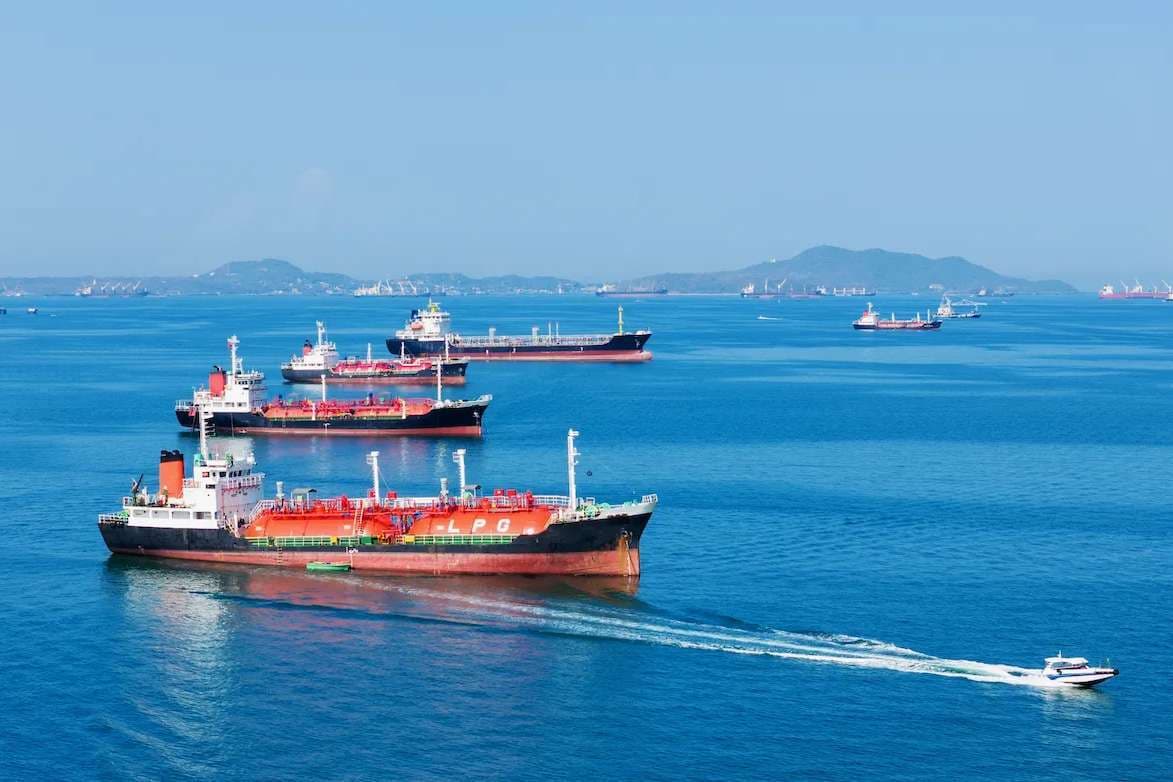
The United States began enforcing a naval blockade on Iranian ports in the Strait of Hormuz at 10 a.m. ET on April 13, marking an escalation after weekend peace talks between Washington and Tehran collapsed without agreement. A map of U.S. deployments shared by the outlet showed at least 17 American vessels positioned in the region as of the morning of April, FOX News reported.
In a Truth Social post the morning of April 13, President Donald Trump warned that if any of Iran’s “fast attack ships,” which the U.S. did not destroy “because we did not consider them much of a threat,” come “anywhere close to our BLOCKADE, they will be immediately ELIMINATED.”
As Zeale News previously reported, Trump ordered the U.S. Navy one day earlier to block “any and all Ships trying to enter, or leave” the strait and intercept any vessel that had paid tolls to Iran. U.S. Central Command later clarified that it would allow traffic on the key waterway between non-Iranian ports.
Iran’s military condemned the move as “piracy” and warned it would respond with force in a statement issued by the military’s central command center that was read on state television, according to CBS News.
Trump says Iranian officials want a deal
Speaking at a White House briefing the morning of April 13, Trump said the administration had recently received a call from the “right people” in Iran, and they want a deal.
“They would like to work a deal,” Trump told reporters.
He also said a key condition of the deal is that “Iran will not have a nuclear weapon,” later adding that he believes Iran will come to agree to that.
“If they don’t agree, there’s no deal, there’ll never be a deal,” Trump said. “Iran will not have a nuclear weapon, and we’re going to get the dust back. We’ll get it back, either we’ll get it back from them, or we’ll take it.”
Key dispute: How long Iran must halt enrichment
Iran offered to pause uranium enrichment for about five years, while the United States is demanding a ban lasting around 20 years — a gap that has stalled talks, according to The New York Times.
A five-year pause would let Iran restart its program relatively soon. A 20-year ban would keep it from producing near weapons-grade material for a generation.
Turkish foreign minister involved in talks says US-Iran ceasefire could be extended
Turkish Foreign Minister Hakan Fidan said the current two-week U.S.-Iran ceasefire — announced the evening of April 7 — could be extended by 45 to 60 days to allow negotiations to continue if the parties make progress. Turkey has played a key role as a mediator between the two sides.
He added in the interview with state-run Anadolu Agency that uranium enrichment could emerge as a point of disruption in negotiations and identified Israel as another “factor,” according to NBC News.
“Hopefully, with the support of mediators and other countries, we will try to overcome this as well,” he said.






Comments