US bishops criticize Trump admin carving out refugee slots for South African Afrikaners
The United States Conference of Catholic Bishops (USCCB) criticized the Trump administration’s decision this week to accept South African Afrikaner refugees amid tight restrictions on almost all other refugee admissions, arguing the U.S. should reextend resettlement opportunities to other vulnerable groups, including people facing religious persecution.

The United States Conference of Catholic Bishops (USCCB) criticized the Trump administration’s decision this week to accept South African Afrikaner refugees amid tight restrictions on almost all other refugee admissions, arguing the U.S. should reextend resettlement opportunities to other vulnerable groups, including people facing religious persecution.
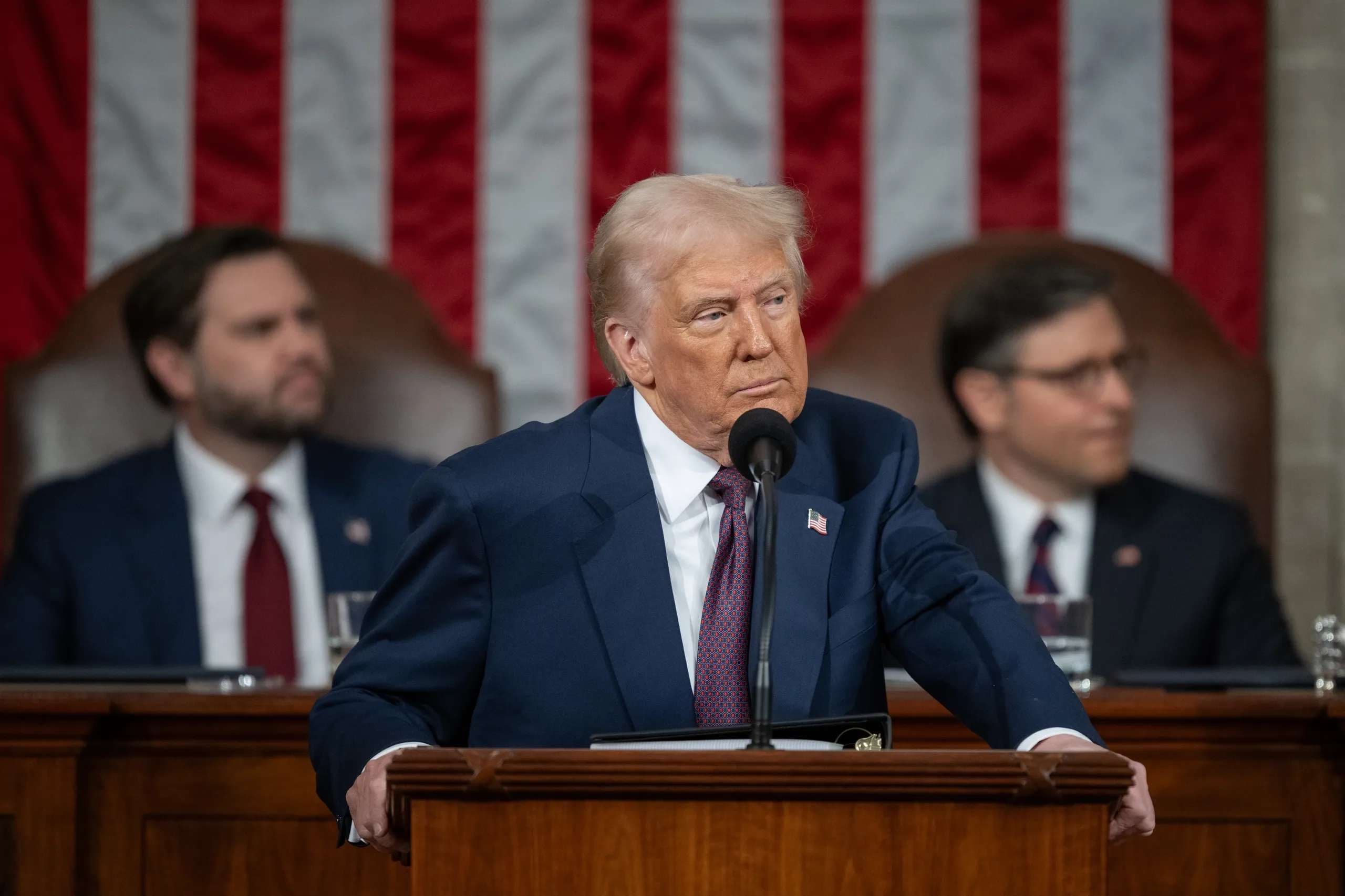
The criticism came after an Emergency Presidential Determination published May 27 in the Federal Register authorized the admission of up to 10,000 refugees during fiscal year 2026 to address what President Donald Trump described as an "unforeseen emergency refugee situation." The determination allows admissions exclusively for Afrikaners from South Africa through September.
Bishop Brendan Cahill, chairman of the USCCB's Committee on Migration, said the move marked a departure from the nation’s longstanding approach to refugee resettlement.
"Offering refuge to the world's vulnerable and persecuted is a founding principle of our country and it is uniquely what makes this country great," Bishop Cahill said. "For decades, the United States was known for offering this opportunity, not favoring one particular group, but granting relief in accordance with our laws, our shared values, and the national interest. Today, however, that is sadly not the case."
He said the bishops welcomed the administration's willingness to resume any resettlements, but called for the new policy to be broadened.
"We appreciate the Administration's acknowledgement that our country can continue to resettle refugees," Bishop Cahill said. "We renew our call for resettlement to be extended further to others in need, including those persecuted on the basis of their faith, the likes of whom have no access to refuge in our country at this time."
In January 2025, Trump placed an indefinite suspension on the U.S. Refugee Admissions Program and set the fiscal year 2026 cap at 7,500, the lowest ceiling since the program was created by Congress in 1980. Virtually all refugees resettled under the suspension had been Afrikaners granted individualized exceptions, according to the USCCB. The new determination raises that cap to 10,000.
When the program was suspended, more than 100,000 people from a range of countries had been conditionally approved for refugee status and were awaiting resettlement, some after being in the process for several years, the bishops said.
Bishop Cahill's predecessor, Bishop Mark Seitz, addressed the “disparate” treatment of refugees in October 2025, writing, “As exemptions are considered, it is essential that they be applied consistently and without discrimination on the basis of race, religion, or national origin, in accordance with longstanding domestic and international norms. Resettlement tainted by the perception of unjust discrimination is contrary to Catholic teaching and quintessential American values, grounded in our Constitution and refugee laws, including the equality of every person from the moment of their creation by God.”





Comments