Trump says Israel, Hezbollah agree to halt attacks, vows Iran talks will continue
President Donald Trump said June 1 that Israel and Hezbollah had agreed to stop fighting after Israel pushed deeper into Lebanon than it has in decades and announced new strikes in the country. Trump also said U.S. talks with Iran were still ongoing, despite Iranian reports that Tehran suspended negotiations because of Israel’s offensive.

Israel pushed deeper into Lebanon than it has in decades and announced new strikes in the country. Trump also said U.S. talks with Iran were still ongoing, despite Iranian reports that Tehran suspended negotiations because of Israel’s offensive.
In a Truth Social post, Trump said he had a “very productive call” with Israeli Prime Minister Benjamin Netanyahu and “there will be no Troops going to Beirut.” He said any troops en route to Lebanon had “already been turned back.”
Trump also said he had communicated with Hezbollah, which is backed by Iran, through “highly placed Representatives,” and that the group agreed “all shooting will stop.”
In a separate post, Trump said the talks with Iran are “continuing, at a rapid pace,” despite earlier Iranian government-linked media reports that Tehran had suspended indirect negotiations with the U.S. in protest of Israel’s latest military operations in Lebanon.
“In light of the ongoing crimes of the Zionist regime in Lebanon and given that Lebanon was part of the ceasefire preconditions, and now this ceasefire has been violated on all fronts, including Lebanon, the Iranian negotiating team is suspending ‘discussions and exchanges of texts through intermediaries,’” Iran’s Tasnim News Agency wrote on X earlier June 1.
Iranian officials demanded an immediate end to Israeli operations in Lebanon and Gaza, along with a full withdrawal from southern Lebanon, as a precondition for resuming dialogue.
Shortly before Trump released his statements, he told CNBC’s Eamon Javers in a phone interview that he “couldn’t care less” about the possible collapse of peace negotiations with Iran, saying the talks “started to get very boring.” He also said he would ask Netanyahu “what’s going on with Lebanon.”
Israel orders new strikes in southern Lebanon, seizes Crusader-era fortress
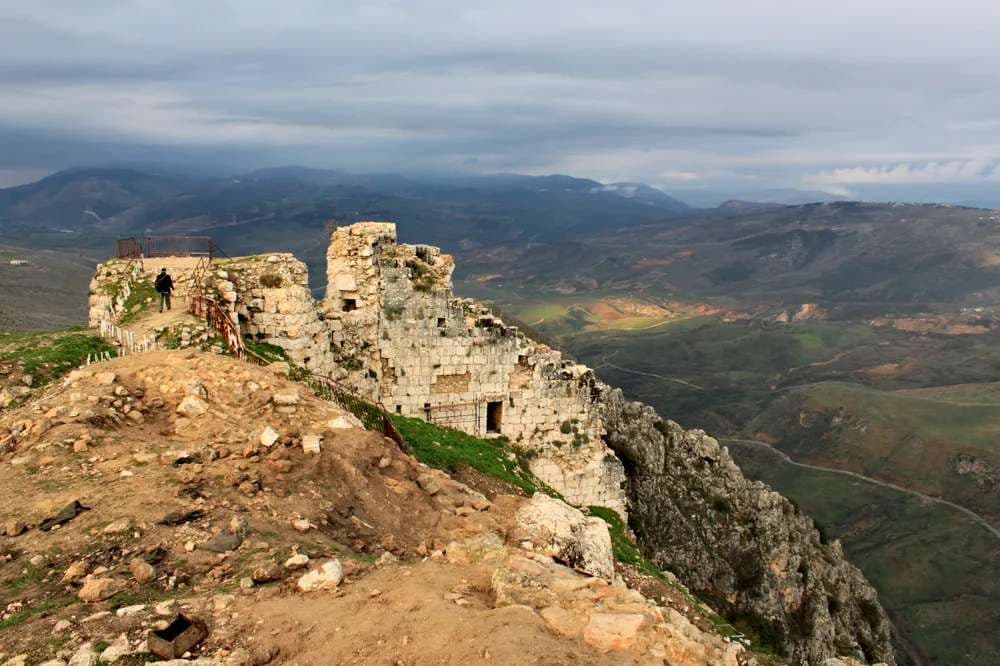
Trump’s announcements came hours after Netanyahu ordered fresh airstrikes on Beirut’s southern suburbs, saying the strikes targeted Hezbollah positions. The day before that newer order, Israeli ground forces captured the 900-year-old Beaufort Castle in southern Lebanon in what was reported to be Israel’s deepest ground incursion into the country in 26 years.
Netanyahu said he and Defense Minister Israel Katz instructed the Israel Defense Forces (IDF) to strike “terrorist targets” in Beirut’s Dahiyeh district in response to what he described as Hezbollah’s “repeated and ongoing violations” of the U.S.-brokered ceasefire, according to an unofficial translation of a Hebrew-language post on X.
Lebanese President Joseph Aoun condemned the strikes in a June 1 statement, saying Lebanon is facing a “vicious and reprehensible Israeli aggression” and that his government is working to end “the suffering of the Lebanese people, and people in the south in particular,” according to The Times of Israel.
Aoun said in a separate statement that his country is committed to negotiating, which he described as “safer than war, as we have seen — and continue to see — the ravages of war and its consequences.”
Israeli forces’ capture of Beaufort Castle, a fortress that the Crusaders built overlooking Lebanon’s Litani River Valley and parts of northern Israel, marks Israel’s deepest ground incursion into Lebanon since it controlled the castle from 1982 to 2000, according to the New York Post. Israel used the fortress, which lies roughly 9 miles north of the border, as a base during those years, and the site sustained “significant damage,” according to UNESCO.
Netanyahu described the capture as a “decisive shift” in Israel’s campaign in Lebanon, saying Israeli forces had raised his country’s flag over the castle and would maintain a presence there as part of a new security zone.
“We are initiating, we are acting on all fronts — in Syria, in Gaza, in Lebanon,” Netanyahu said in a June 1 Hebrew video statement, according to an unofficial translation. “We have established security zones beyond our borders in order to protect our communities.”
As Zeale News previously reported, Israeli officials said in March that troops would maintain a “buffer zone” extending to the Litani River as part of their campaign. The area covers nearly a tenth of Lebanon. Katz said at the time that Israel would demolish Lebanese homes and buildings near the border that he described as “terrorist outposts.”
The latest escalation follows several days of intensified fighting in southern Lebanon. Lebanon’s state-run National News Agency reported Israeli air raids and “intense bombardment” near Beaufort Castle on May 30, while Hezbollah claimed it destroyed an Israeli tank near the site.
According to the French-language Lebanese outlet L’Orient Today, the Arnoun Municipality, which oversees a Lebanese village adjacent to Beaufort Castle, denounced Israeli bombing in the area and urged international organizations to protect the historic site.
UNESCO has described the Beaufort Castle as “one of the best-preserved examples of medieval castles in the Near East” and granted it provisional enhanced protection as a cultural property in late 2024 after Israel’s previous invasion of Lebanon.
The fighting has continued despite a U.S.-brokered ceasefire that took effect in mid-April. The truce has been widely described as fragile, with both sides accusing the other of continued violations after fighting broke out between Israel and Iran-backed Hezbollah fighters on March 2, shortly after the start of the U.S.-Israeli war with Iran.
According to May 30 data from the Lebanese Ministry of Public Health, the fighting has so far killed 3,371 people in Lebanon and wounded 10,129. More than one million people in Lebanon have been displaced from their homes. As Zeale News has reported, Christian villages and historic sites in southern Lebanon have been caught in the crossfire. Israel said 26 of its soldiers and two Israeli civilians have also been killed, according to AP News.
>> Report: Israeli forces demolish historic Christian monastery and school in southern Lebanon <<


Comments