Israel plans to occupy southern Lebanon for ‘buffer zone’ in Gaza-style operation, Israeli official says
Israeli Defense Minister Israel Katz said March 24 that Israel plans to create a “buffer zone” as part of its campaign against Hezbollah by occupying southern Lebanon up to the Litani River — an area that would amount to nearly a tenth of Lebanon.

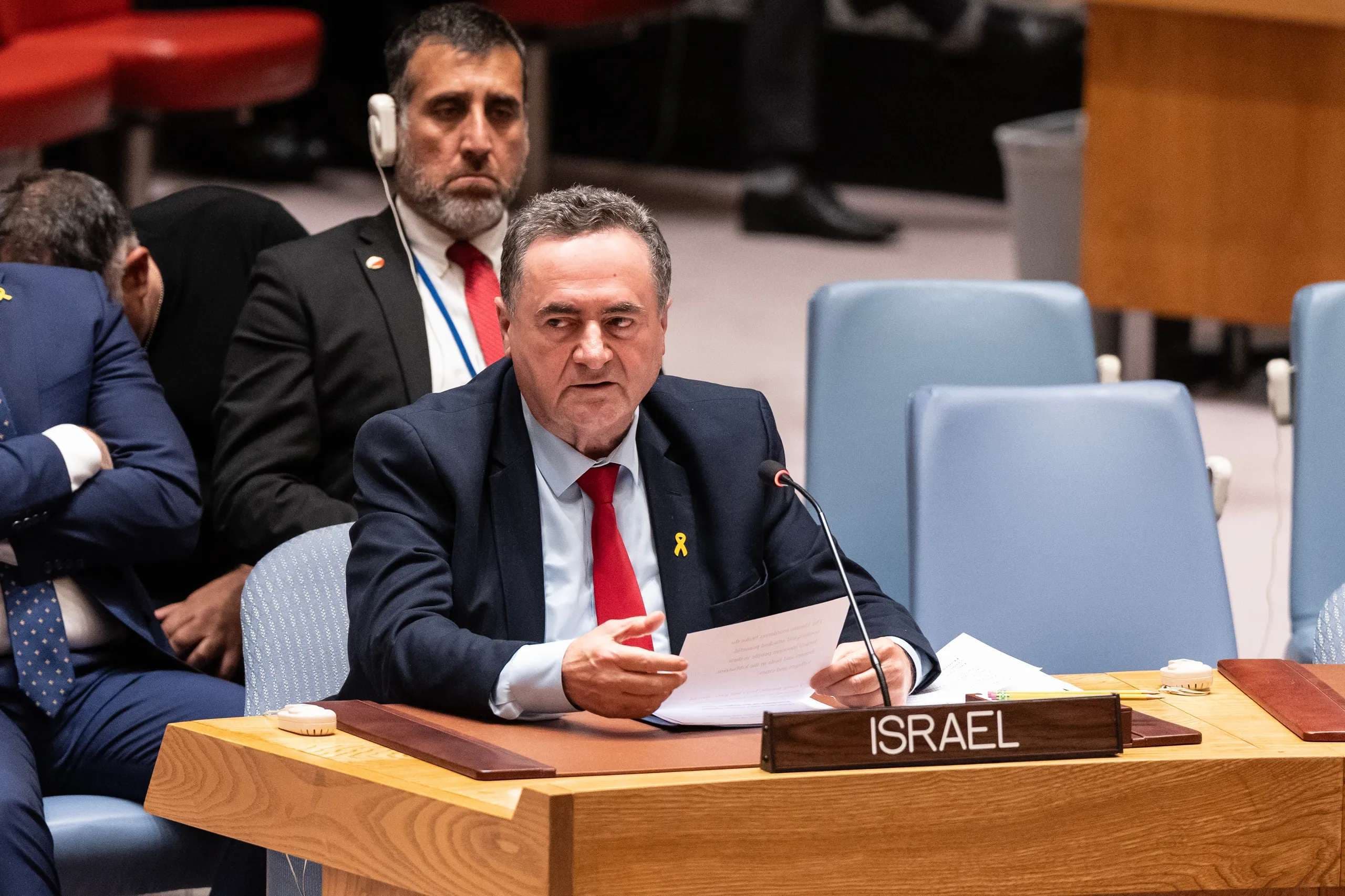
Israeli Defense Minister Israel Katz said March 24 that Israel plans to create a “buffer zone” as part of its campaign against Hezbollah by occupying southern Lebanon up to the Litani River — an area that would amount to nearly a tenth of Lebanon.
Katz said during a meeting with Israel’s military chief of staff that Israeli forces would “control the remaining bridges” over the Litani — a river located some 20 miles north of Israel’s border — and establish a “security zone,” preventing displaced residents from returning to their homes until northern Israel is safe, as reported by Reuters.
Katz said Israeli forces have already blown up five bridges across the Litani that were “used by Hezbollah for the passage of terrorists and weapons.”
Katz compared the approach in Lebanon to Israel’s operations in Rafah and Beit Hanoun — major population centers in the Gaza Strip that have been largely destroyed by airstrikes and are under Israeli military control. He said Israel will accelerate the demolition of homes and buildings, which he described as “terrorist outposts,” near the Lebanon-Israel border in order to “create a defensive buffer and push the threat away from communities.”
“The principle is clear,” he said. “Where there is terror and missiles — there will be no homes and no residents, and the IDF [Israel Defense Forces] will remain in control.”
His comments reflect remarks made by other Israeli officials a day earlier suggesting Israel should move deeper into Lebanon to counter Hezbollah fighters occupying the land. Israeli President Isaac Herzog said March 23 that Israel “must ensure strategic depth inside Lebanon” and that " southern Lebanon “cannot return to the reality that existed before the last ceasefire,” as Zeale News reported. Israeli Finance Minister Bezalel Smotrich also said that the “new Israeli border must be the Litani,” a suggestion of a potential annexation of southern Lebanon that Katz’s comments now seem to confirm.
Since the onset of the U.S.-Israeli war with Iran, Israel has carried out strikes in southern Lebanon, Beirut’s southern suburbs, and the Bekaa Valley. The conflict has triggered widespread displacement and deaths. More than 1.2 million Lebanese people have been forced to leave their homes and more than a thousand have been killed, the United Nations reported March 19.
The violence has directly affected many Christian communities in Lebanon, including the village of Qlayaa, which saw the death of a Maronite Catholic priest March 9. As Zeale News reported, Father Pierre al-Rahi was killed when an Israeli tank shell struck a home in his village, which is south of the Litani River. Israel said after the strike that it had targeted Hezbollah fighters who had infiltrated the town, but Qlayaa’s mayor denied that any such fighters were present at the time of the strike.
Zeale News also reported that Lebanon’s foreign minister, Youssef Raggi, said March 10 that he asked the Vatican to intervene to help “preserve the Christian presence” in the southern Lebanese villages.






Comments