Palm Sunday procession, Chrism Mass in Jerusalem canceled due to war
Cardinal Pierbattista Pizzaballa, the Latin Patriarch of Jerusalem, announced March 22 that the traditional Palm Sunday procession from the Mount of Olives has been canceled and the Chrism Mass postponed indefinitely, as the ongoing Israel-Iran war makes normal Holy Week celebrations impossible.

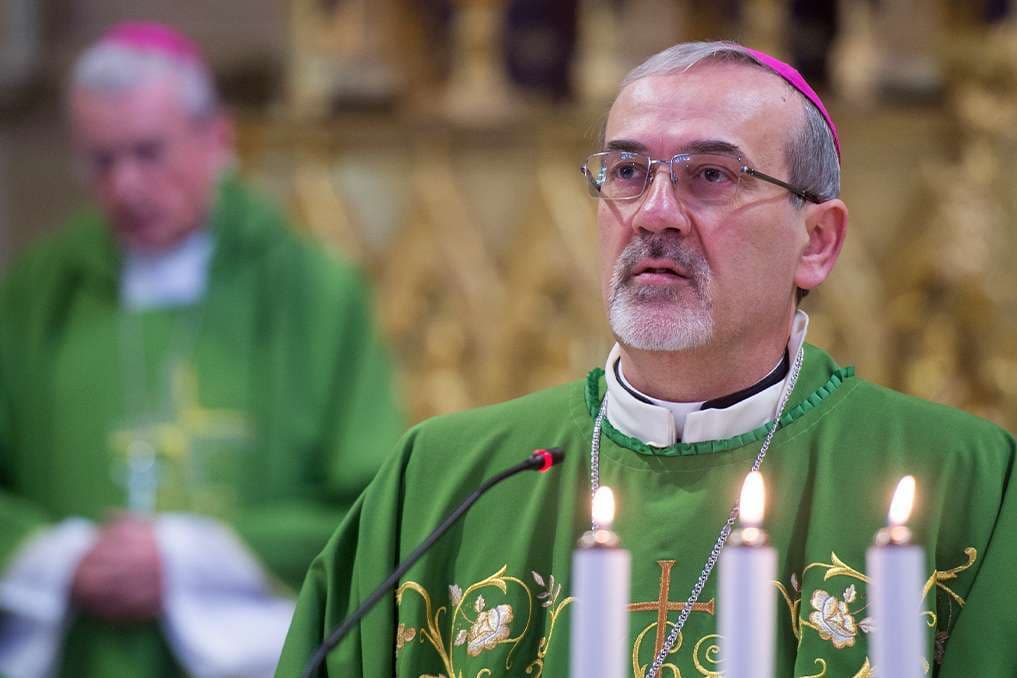
Cardinal Pierbattista Pizzaballa, the Latin Patriarch of Jerusalem, announced March 22 that the traditional Palm Sunday procession from the Mount of Olives has been canceled and the Chrism Mass postponed indefinitely, as the ongoing Israel-Iran war makes normal Holy Week celebrations impossible.
Palm Sunday takes place on March 29 this year. The procession, one of the most recognizable Holy Week traditions in Christianity, retraces Jesus' entry into Jerusalem.
The procession will be replaced by a prayer service for the city at a location yet to be determined, according to the announcement. The Chrism Mass, at which a bishop blesses the oils used for sacraments throughout the year, has also been postponed to a date to be announced, likely within the Easter season. The Dicastery for Divine Worship has already approved the delay, the announcement said.
Cardinal Pizzaballa wrote that "the restrictions imposed by the conflict and the events of recent days do not bode well for any imminent improvement" and that the Patriarchate of Jerusalem would be forced to make decisions "on a day-by-day basis according to developments on the ground." He confirmed that "ordinary celebrations open to all cannot take place" this Holy Week.
As Zeale News previously reported, the Church of the Holy Sepulchre has been closed to the public since Feb. 28.
“The harshness of this time of war, which affects us all, today bears the added burden of not being able to celebrate Easter together and with dignity” he wrote. “This is a wound that adds to the many others inflicted by the conflict. But we must not allow ourselves to be discouraged. Though we may not gather as we would like, let us not give up prayer.”
Parish churches across the diocese remain open, and Cardinal Pizzaballa asked priests to do everything possible within those constraints to keep the faithful engaged in Easter celebrations.
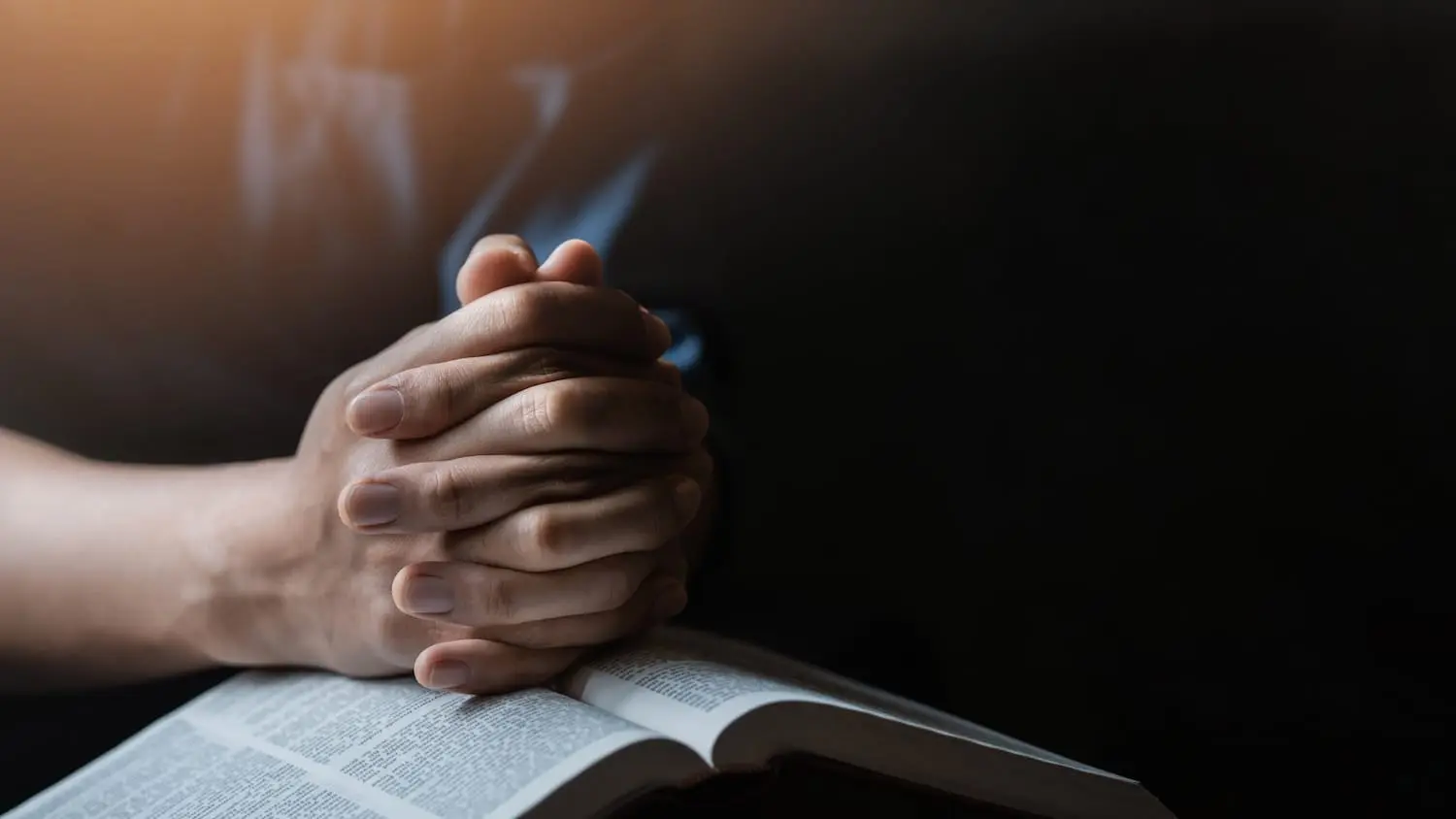
He also invited all Catholics in the diocese to pray the Rosary together on Saturday, March 28 — each from their own home — as a unified act of intercession for peace. "We will do so with humble hearts," he wrote, "certain that our prayer, even while we are physically distant, is capable of drawing upon the strength of God's love."
The cardinal closed by urging the faithful not to lose heart, invoking Jesus's words from Luke 18:1 — "Pray always and do not lose heart" — and pointing to Easter as an anchor: "No darkness, not even that of war, can have the last word."
.jpg&w=3840&q=75)

Comments