Iran War Day 24: Trump halts strikes on Iranian energy infrastructure, Israel signals deeper push into Lebanon
As the Iran war entered its 24th day, President Donald Trump halted U.S. strikes on Iranian energy infrastructure amid “constructive conversations” with Iran and suggested the U.S. could jointly control the Strait of Hormuz along with a new Iranian regime.

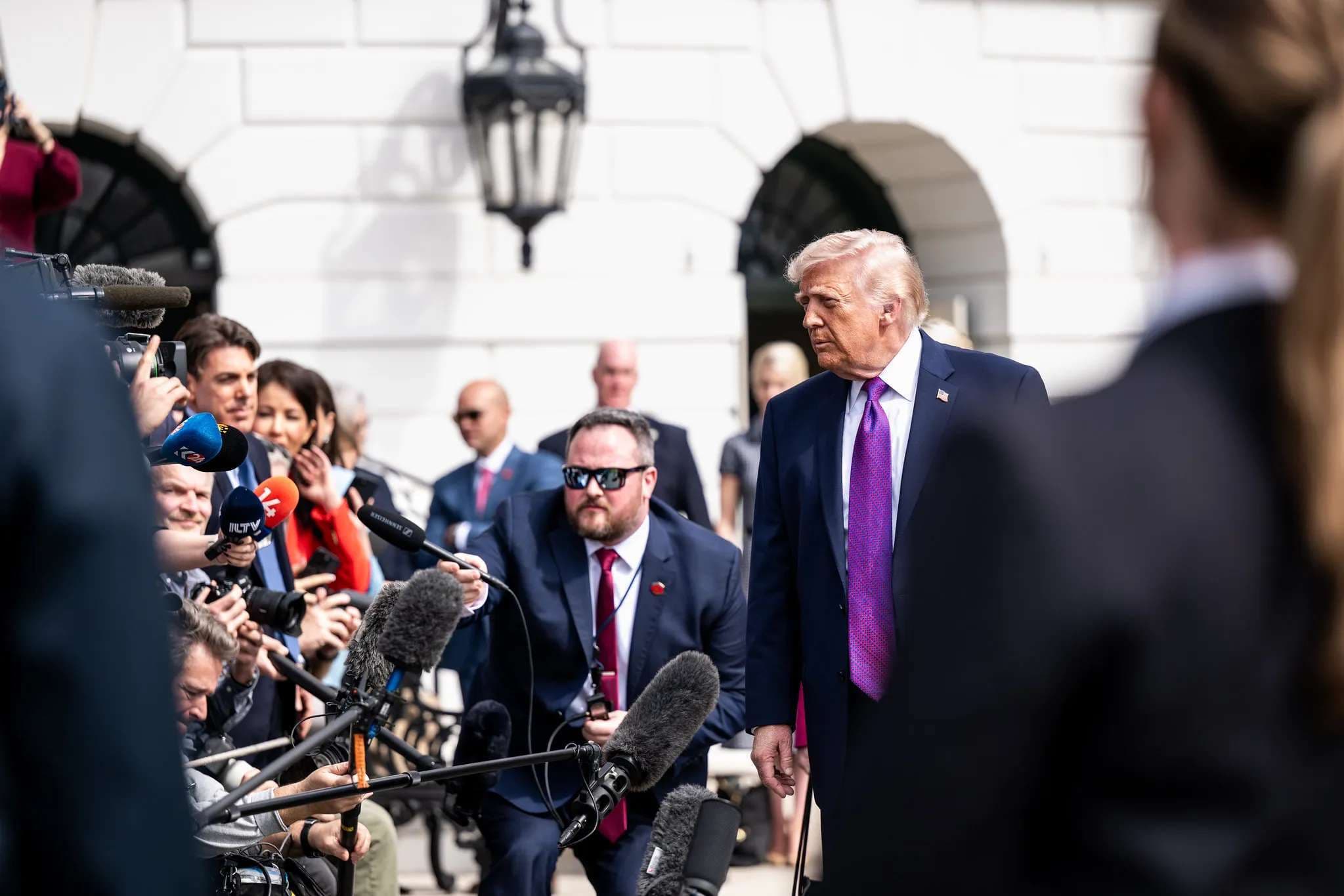
As the Iran war entered its 24th day, President Donald Trump halted U.S. strikes on Iranian energy infrastructure amid “constructive conversations” with Iran and suggested the U.S. could jointly control the Strait of Hormuz along with a new Iranian regime. Meanwhile, Israeli Prime Minister Benjamin Netanyahu said his country would continue striking targets in Iran while other Israeli officials signaled a deeper push into Lebanon.
Trump postpones strikes on Iranian energy infrastructure, citing ‘productive’ talks
Trump said in a March 23 Truth Social post that he had ordered a five-day pause on planned U.S. strikes against Iranian power plants and energy infrastructure after U.S. officials held “very good and productive” talks with Iran over the past two days. He said the “in-depth, detailed, and constructive conversations” focused on a “complete and total resolution of our hostilities in the Middle East.”
Trump’s announcement marked a sharp reversal from the 48-hour ultimatum he had issued the night of March 21, when he threatened to “obliterate” Iranian power plants unless Iran committed to allowing oil to move freely through the Strait of Hormuz.
In remarks to reporters Monday, Trump suggested that the U.S.-Iranian talks would continue and could end the conflict “very substantially” if the talks “carry through.” He also said that Israel will be “very happy” with a U.S.-negotiated deal, saying that it would mean “peace for Israel.”
Iranian Parliament Speaker Mohammad-Bagher Ghalibaf, however, said on X that no negotiations between Washington and Tehran had taken place. He said the “fakenews is used to manipulate the financial and oil markets and escape the quagmire in which the U.S. and Israel are trapped.”
In response to the contradiction between Trump’s claim of holding talks with Iran and Iran’s denial that any talks had taken place, Wall Street Journal Editor-at-Large Gerard Baker argued Americans were forced “to suspect that the enemy’s version of events is more likely to be true than our own.”
>> Trump postpones US strikes on Iranian energy infrastructure <<
Trump says he could jointly control the Strait of Hormuz with Iran’s supreme leader
Trump told reporters the morning of March 23 that the Hormuz Strait could be “open very soon” if talks with Iran go well. When asked whether Iran would still control the key waterway, Trump said it would be “jointly controlled” by “maybe me — me and the ayatollah, whoever the ayatollah is, whoever the next ayatollah [is].”
Trump also said his administration was “dealing with some people that I find to be very reasonable” to lead the country, and that the “people within know who they are.” He said they are “very respected, and maybe one of them will be exactly what we’re looking for.”
Netanyahu says he spoke to Trump about potential deal, vows Israel will continue strikes
In a recorded video released by his office, Netanyahu said he spoke with Trump about a potential deal with Iran and made clear that Israel’s campaign against the country will continue.
“President Trump believes there is an opportunity to leverage the tremendous achievements of the IDF and the U.S. military to realize the war’s objectives through an agreement—an agreement that will safeguard our vital interests,” Netanyahu said.
“At the same time,” he added, “we continue to strike both in Iran and in Lebanon. We are crushing the missile program and the nuclear program, and continuing to inflict severe blows on Hezbollah.”
Israeli president calls for ‘strategic depth inside Lebanon’; finance minister suggests potential annexation of southern Lebanon
As Israel continued attacks in southern Lebanon on alleged Hezbollah targets, Israeli President Isaac Herzog said March 23 that he believes Israel “must ensure strategic depth inside Lebanon” and “create a clear and meaningful forward defense area” there, according to a statement released by his spokesperson. He added that southern Lebanon “cannot return to the reality that existed before the last ceasefire,” though he did not provide specific details.
On the same day, Israeli Finance Minister Bezalel Smotrich told an Israeli radio station that Israel should extend its border with Lebanon to the Litani River, Reuters reported. He said the Israeli military operation in Lebanon “needs to end with a different reality entirely, both with the Hezbollah decision but also with the change of Israel’s borders.”
“I say here definitively… in every room and in every discussion, too: the new Israeli border must be the Litani,” Smotrich said, according to Reuters.
The outlet reported that Smotrich “often makes comments that go beyond official Israeli policy.” The finance minister’s opinion aligns, however, with a remark made by Israeli Defense Minister Israel Katz the day before.
As reported by the Jerusalem Post, Katz stated that he and Netanyahu had ordered the IDF to accelerate “the destruction of Lebanese homes,” referring to his own orders as being “in accordance with the model” of what Israeli forces have done in Gaza.
The Israeli officials’ remarks came the same day that the IDF said on X two missiles launched by Iran “fell in Lebanese territory.” The IDF that Hezbollah “decided to join the Iranian terror regime in its attacks against Israel, putting the lives of Lebanese civilians and the entire State of Lebanon at risk.”


.jpg&w=3840&q=75)




Comments