House moves to curb Trump’s Iran war powers as Israel accepts Lebanon ceasefire
June 3, as President Donald Trump suggested he would either get a deal with Iran or order new strikes against the nation, the U.S. House passed a war powers resolution to limit his ability to renew hostilities. In addition, U.S. officials announced Israel had accepted a U.S.-brokered ceasefire in Lebanon.

June 3, as President Donald Trump suggested he would either get a deal with Iran or order new strikes against the nation, the U.S. House passed a war powers resolution to limit his ability to renew hostilities. In addition, U.S. officials announced Israel had accepted a U.S.-brokered ceasefire in Lebanon.
House passes a War Powers resolution
The House voted 215-208 to direct Trump to withdraw American forces from the Iran conflict unless Congress authorizes continued military action, reflecting bipartisan concern over the conflict.
The measure, sponsored by Rep. Gregory Meeks, D-N.Y., invokes the War Powers Resolution of 1973 and would require Trump to end unauthorized military operations against Iran or its proxies, with an exception for actions taken against imminent threats. Four Republicans joined most Democrats in supporting the resolution: Kentucky Rep. Thomas Massie, Pennsylvania Rep. Brian Fitzpatrick, Rep. Warren Davidson of Ohio, and Rep. Tom Barrett of Michigan.
The measure now heads to the Senate.
Trump: ‘The Hormuz Strait will open’
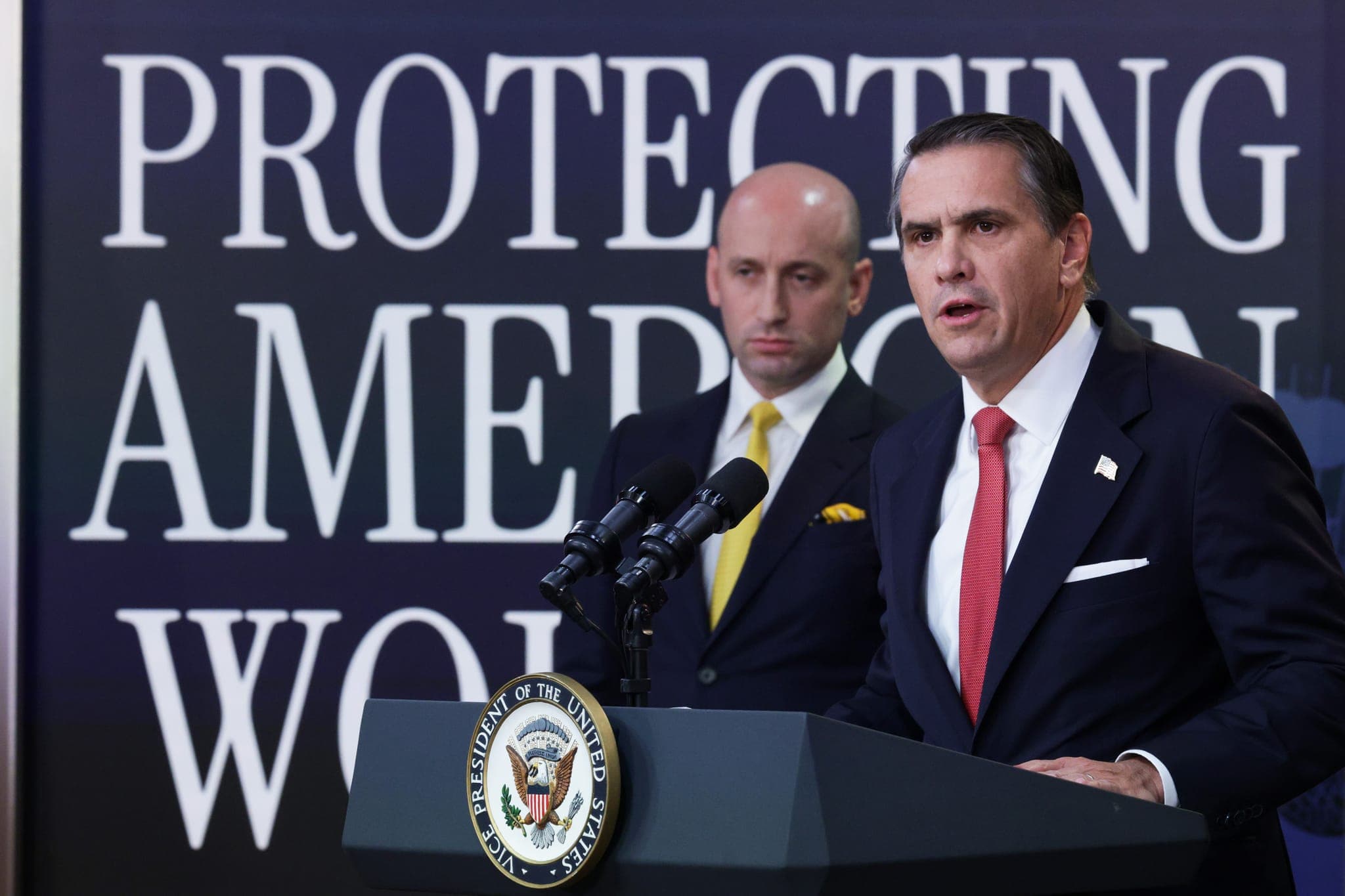
“There’s never been a military like what we have,” Trump said June 3 before the House vote. He warned that if negotiations with Iran prove unfruitful, the U.S. could “wipe everybody out” in two to three weeks. “But if we can get something down in writing that will accomplish the same thing without killing everybody, I’d like to do that.”
He also said the Strait of Hormuz would open immediately after he signs a memorandum of understanding with Iran, as negotiations continue on a potential extension of a fragile ceasefire in the U.S.-Iran conflict.
Trump made the remarks during a White House event, tying the reopening of the vital waterway directly to the signing of the agreement.
"The Hormuz Strait will open," Trump said. "We have our mine sweepers there. Underwater, they're great, amazing tech. We've swept mines, we've gotten most of them."
As of the evening of June 3, talks remain ongoing and Trump has not yet approved a draft memorandum that would extend the ceasefire by two months and establish a framework for broader issues, including Iran's nuclear program.
A source familiar with the discussions told Axios that Trump strengthened the memorandum’s terms on highly enriched uranium and reopening the strait without tolls. Iran is reviewing the revised proposal, according to Axios.
U.S., Israel, and Lebanon announce ceasefire framework tied to Hezbollah withdrawal
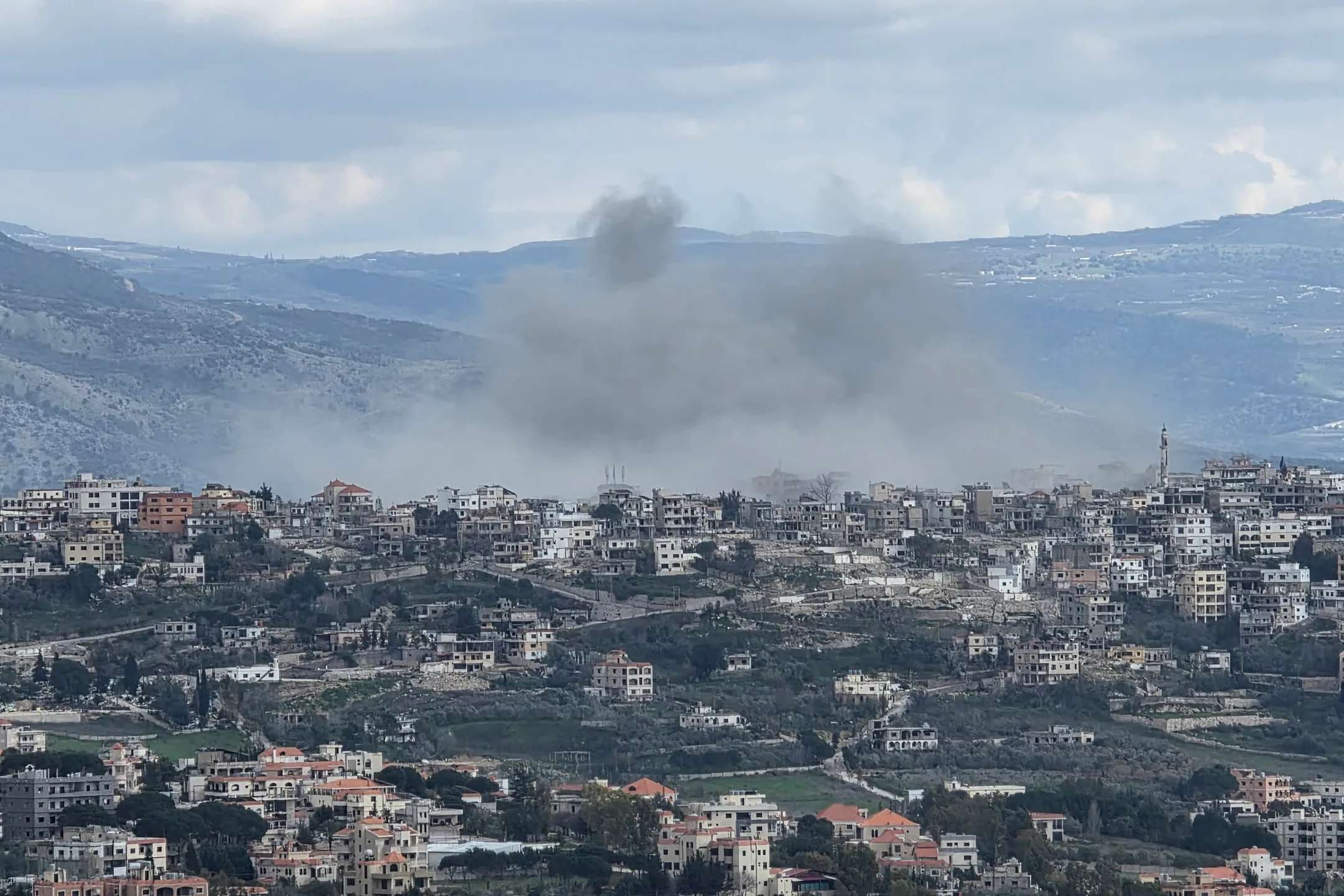
The U.S. said June 3 that Israel and Lebanon had agreed to implement a ceasefire under a U.S.-brokered framework that calls for the withdrawal of Hezbollah operatives from southern Lebanon and expanded control by the Lebanese military in areas near the Israeli border.
The announcement followed two days of talks convened by the U.S. between Israeli and Lebanese representatives.
According to a joint statement released by the three governments, the ceasefire would take effect only if Hezbollah halts all attacks and evacuates fighters from the area south of the Litani River, a region that has long been a flashpoint in cross-border hostilities.
The agreement also envisions the creation of pilot security zones where the Lebanese Armed Forces would exercise exclusive control, excluding armed groups not affiliated with the state.
The statement said the measures are intended to pave the way for a broader peace and security agreement between Israel and Lebanon, which remain technically at war and do not have formal diplomatic relations.
Officials said Israeli and Lebanese delegations discussed a longer-term security framework during the meetings, including efforts to prevent armed groups from reestablishing a presence in southern Lebanon.
The governments also condemned Iran for actions they said have destabilized the Middle East through support for proxy groups and other regional activities.
The statement did not indicate whether Hezbollah had agreed to the terms or provide a timetable for implementation.
The parties said negotiations would resume during the week of June 22 as they seek a broader agreement.







Comments