‘Young Washington’ review: What the film reveals about leadership, failure, and virtue
Angel Studios’ biopic humanizes the first U.S. president, illustrating the Founding Father’s growth in virtue.
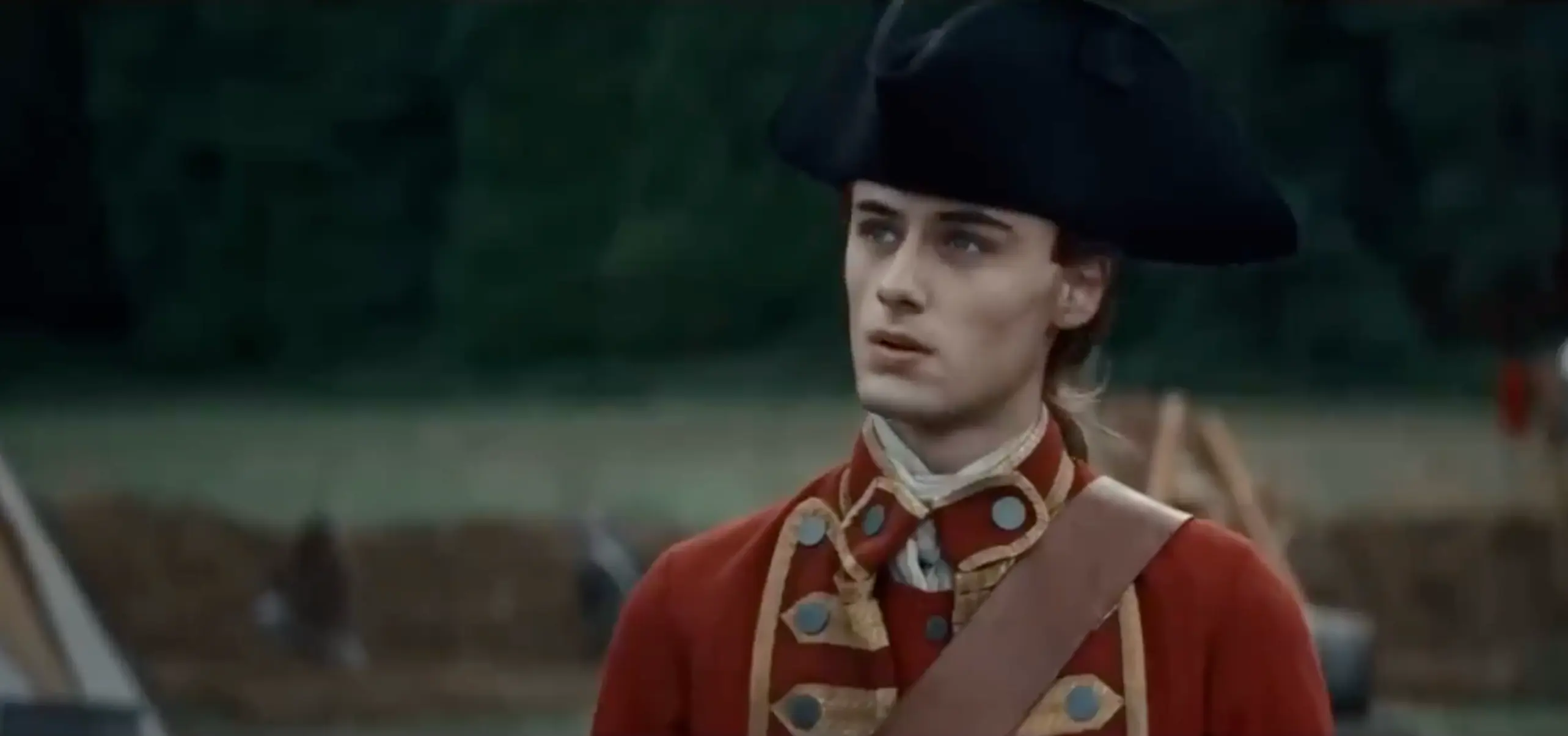
Young Washington, a biopic from Angel Studios about the first U.S. president’s upbringing and early years in the military, was released July 3 across the nation he helped bring into being.
In the opening weekend, gross ticket sales were $19.4 million, nearly covering the film’s $20 million budget, and through July 15, sales have reached $36.6 million worldwide, IMDBPro’s Box Office Mojo reported.
The movie opens with a few scene-setting sentences appear on screen, followed by a scene of George Washington awaking in a covered medical wagon amid a battle at the outset of the French and Indian War. From its beginning, the movie humanizes a larger-than-life historical figure and thereby encourages all Americans to emulate the virtues of this flawed yet heroic man, all while having its own imperfections.
Jon Erwin directed this PG-13-rated movie that dramatizes Washington’s early military career, the impact losing his father at a young age had on him, and his relationship with society as he aspires to find his place among exclusive British rankings. The cast includes William Franklyn-Miller as the young adult George Washington, Kelsey Grammer as Lord Fairfax, Ben Kingsley as Gov. Robert Dinwiddie, Mary Louise Parker as Mary Washington, and Andy Serkis as Gen. Edward Braddock. The movie includes a few profanities, some use of alcohol and pipe smoking, war violence, and emotionally intense themes.
It also includes reminders to reflect on what is virtuous — and to act virtuously. Humility, endurance, compassion, friendship, courage, fairness, and forgiveness are consistently alluded to. The film frequently provides these examples in a stilted way, as if it is placing each virtue on a platform in different scenes. However, doing so works fairly well in this film, as the emphasis appears to be not so much on the battle scenes or the relationship Washington had with his mother, but rather on portraying Washington’s character development and the ideals of early Americans. By implicitly pointing to the virtues, the movie drives home its mission of encouraging viewers to grow in those areas themselves. As Grammer says in a message after the movie, the filmmakers want people to know that American ideals “are still worth fighting for.”
Whatever the film may lack in artistic quality the filmmakers make up for in their portrayal of how the first U.S. president grew in virtue. In his first experience in battle, he is an underprepared, overly confident young man who has rejected the lower pay offered to him as a colonist, claiming that he will prove himself worthy of the pay British military leaders receive. This idealism is not tempered by humility. His arrogance regarding military decisions leads to a heartbreaking defeat at Fort Necessity, and he resigns his military post, acknowledging his lack of preparedness for leadership.
However, after a heart-to-heart conversation with his mother, Washington decides to accept his failures and find a way to make amends. He holds his head high while asking Braddock to allow him to take the lowest position in his camp so Washington can share with him what he learned through his failure, and he shows solidarity with his fellow Virginians, completing menial labor alongside them. In one of the final scenes of the movie, Washington gives a speech formally introducing himself to a group of Virginian soldiers, informing them that he is not an English gentleman. It seems he has come to embrace that fact.
“For most people, failure is the end,” Dinwiddie tells Washington after the young leader shows heroism in the final battle of the movie. “For you, it seems to be only the beginning.”
Not letting defeat dictate the final result is a moral that, while maybe we all have learned many times, often painfully, is worth learning again, and it is nice to be able to do that while sitting in a comfortable lounge chair, rather than by going through it ourselves.
My verdict: worth seeing with an open heart and mind by anyone who needs a bit of encouragement, and even more worth discussing with family or friends.








Comments