Rubio announces visa restrictions targeting foreign far-left terrorists and their supporters
Secretary of State Marco Rubio announced a new policy that aims to prevent violent left-wing extremists from entering the U.S. and disrupting their transnational operations.
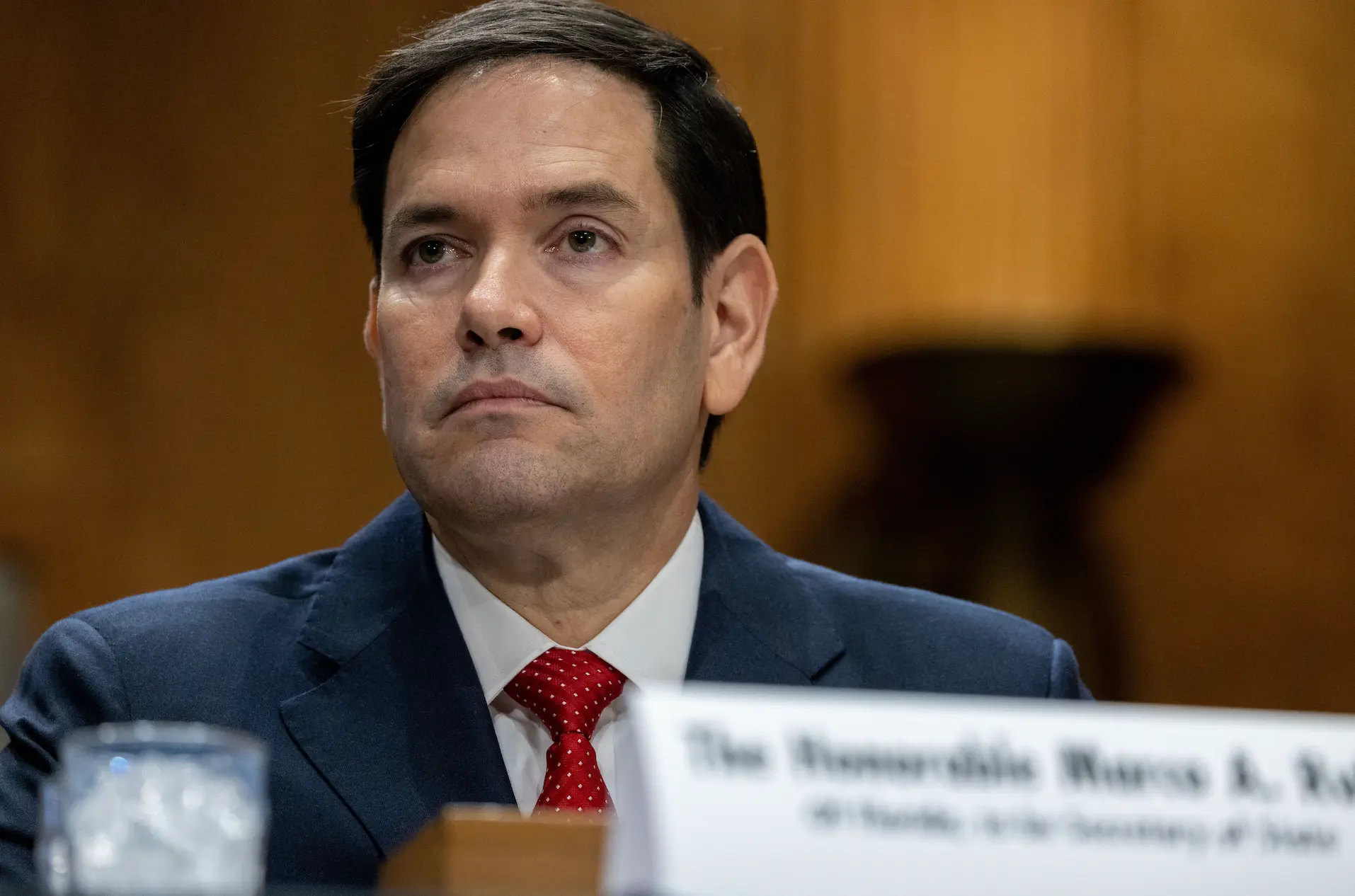
Secretary of State Marco Rubio announced a new visa-restriction policy July 16 targeting foreign nationals accused of supporting, financing, recruiting for, or otherwise enabling far-left terrorist and criminal networks.
The policy is intended to prevent foreign members and supporters of violent left-wing groups from entering the U.S. and to disrupt transnational networks before they can conduct attacks on American soil, according to the State Department’s July 16 announcement.
“Foreigners who finance, incite, or aid and abet Far-Left Terrorists are enemies of our civilization,” Rubio wrote on X, adding that such individuals are not welcome in the U.S.
The policy covers foreign nationals who have supported or incited terrorism or violent criminal activity, participated in economic sabotage, financed or recruited for violent organizations, supplied logistical assistance, or helped bring aligned networks together for violent action.
The State Department said the measure is aimed not merely at people who personally commit attacks but also those who provide the money, personnel, propaganda, transportation, supplies, or organizational connections that make political violence possible.
The announcement did not publicly name individuals who will immediately face restrictions or provide a definitive list of every organization considered a “Far-Left Terrorist” or aligned group. Visa records are generally confidential, meaning the public may not learn the identities of many affected individuals unless officials choose to announce particular cases.
Analysis: Policy relies on foreign-policy inadmissibility law
Rubio is implementing the policy under Section 212(a)(3)(C) of the Immigration and Nationality Act.
That provision makes a foreign national inadmissible when the Secretary of State has reasonable grounds to believe that the person’s entry or proposed activities could have potentially serious adverse consequences for American foreign policy. The law therefore gives the State Department significant discretion over who may receive permission to enter the country.
The statute contains speech protections, but they are largely null at the discretion of the Secretary of State, who may bar an individual from the country for political speech. Foreign officials and candidates generally cannot be excluded solely because of beliefs, statements, or associations that would be lawful inside the U.S. Other foreign nationals receive similar protection unless the Secretary of State personally determines that admitting them would compromise a compelling American foreign-policy interest.
Those limitations could become significant if the administration attempts to apply the policy to activists who criticize the U.S. government but have not participated in violence, criminal assistance, or terrorist support.
The State Department framed the measure as directed at conduct rather than ordinary political belief, emphasizing terrorism, violent crime, sabotage, funding, recruitment, and operational support. Critics are nevertheless likely to question how officials will define terms such as “far-left,” “aligned,” and “economic sabotage,” particularly when the policy is applied through a discretionary visa process rather than a criminal prosecution.
International effort announced
The visa policy formed part of a larger initiative unveiled during the State Department’s Ministerial on the Resurgence of Political Terrorism, which brought representatives from more than 60 governments to Washington.
Rubio argued that international counterterrorism policy has long maintained a “blind spot” toward organized violence from the political left. He said militant networks share propaganda, financing, training materials, target information, safe houses, and encrypted communications across international borders.
“We can—and we must—identify and map this threat,” Rubio said during the gathering, calling for governments to rebuild their counterterrorism systems around countering the threat as he described it.
Treasury Secretary Scott Bessent said his department would target the financial infrastructure behind political terrorism, including organizations that allegedly misuse charitable or nonprofit structures to conceal funding. He promised to pursue financial networks regardless of how respectable their public-facing institutions may appear.
The White House said participating governments will increase intelligence sharing, restrict terrorist travel, coordinate law-enforcement activity, and target cross-border funding and propaganda networks.

Comments