DHS ties election grants to citizenship checks after China voter-data revelations
The Department of Homeland Security will require states to use federal citizenship-verification systems to receive election grants, following Trump administration disclosures about Chinese access to voter data.
Homeland Security Secretary Markwayne Mullin announced July 17 that states seeking federal election grants will be required to adopt new security measures, including cooperation with federal citizenship-verification efforts, after the Trump administration released intelligence alleging extensive Chinese access to American voter data.
Mullin said a Department of Homeland Security review identified approximately 250,000 noncitizens registered to vote in California, Pennsylvania, New Jersey, and Nevada — four states he said declined to cooperate with the administration’s examination of voter records. DHS obtained the relevant information through publicly available data, The Daily Signal reported.
In 23 states that did cooperate with the department, Mullin said officials found another 23,000 noncitizens and approximately 400,000 deceased people still registered to vote.
While not every ineligible voter on file necessarily cast a ballot, Mullin argued that the findings reveal an urgent need for states to verify eligibility and clean their voter rolls before administering federal elections.
“We are going to make our security enhancements mandatory,” Mullin said. States that want grants or federal reimbursement for election administration “are going to have to implement security measures,” he added.
The secretary called on election officials to cross-check voter files through the federal Systematic Alien Verification for Entitlements system, commonly known as SAVE.
SAVE is an online service administered by U.S. Citizenship and Immigration Services that allows authorized government agencies to verify a person’s immigration status or citizenship against federal records. (The system is distinct from the SAVE America Act, the election legislation President Donald Trump has urged Congress to approve.)
“President Trump gave DHS the tools and resources to secure elections,” Mullin said. “But we have to have states partner with us. If they choose not to, then voters should hold them accountable.”
Cybersecurity plan coming within 30 days
Mullin said DHS will release a detailed election-cybersecurity plan within 30 days.
He also raised concerns about voting-machine supply chains and components connected to foreign adversaries, arguing that election equipment must be protected against outside access.
“We know that they can change voter registration and your vote,” Mullin said. “We know it’s possible. There’s not a question, it’s not even for debate.”
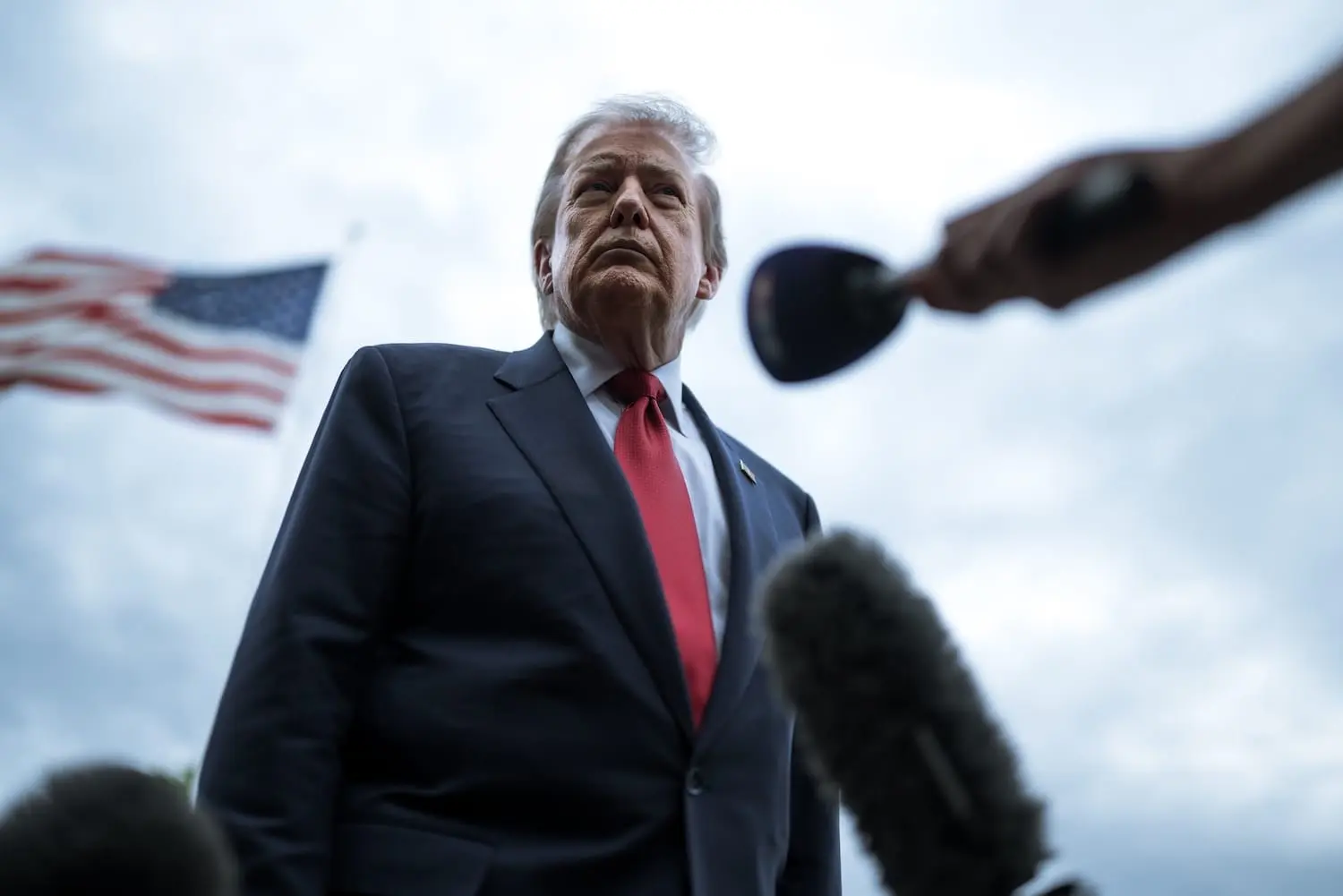
His announcement followed Trump’s July 16 address releasing previously classified materials on election-system vulnerabilities and alleged Chinese interference.
As Zeale News previously reported, Trump said Chinese intelligence services obtained approximately 220 million American voter files in what he described as the largest compromise of election data in history.
The White House election-integrity portal states that the compromised information included names, addresses, telephone numbers, party preferences, and other data that could be exploited for election interference or fraudulent registrations.
According to the administration, U.S. intelligence agencies learned beginning in 2020 that voter information in 18 states had been bought, stolen, or hacked by China. The White House also released assessments stating that Russia, China, Iran, North Korea, and nonstate actors possess capabilities to compromise election infrastructure, particularly centralized voter-registration databases, electronic pollbooks, and official election websites.
Trump accused intelligence officials of suppressing information about the Chinese operation from both him and Congress. The released documents also include CIA reporting that the Chinese Communist Party sought to mobilize domestic and foreign opposition to Trump beginning in 2018.
The administration has presented the disclosures as evidence for the necessity of nationwide voter-identification requirements, proof of citizenship for registration, restrictions on mail-in voting, and closer federal scrutiny of state voter rolls.
SAVE America Act remains stalled
The U.S. House passed the SAVE America Act in February by a 218-213 vote. As Zeale News reported at the time, the legislation would require documentary proof of citizenship for federal voter registration, photo identification for in-person voting, and stricter identification requirements for absentee ballots.
The measure has repeatedly failed to overcome Senate opposition. Zeale News reported in June that four Republican senators joined Democrats in blocking an attempt to attach the election rules to a budget-reconciliation package.
The administration’s election integrity efforts have encountered stiff legal resistance. As Zeale News previously reported, a federal judge permanently blocked portions of Trump’s 2025 election order, ruling that the Constitution assigns authority over election rules primarily to states and Congress rather than the president.
Mullin’s announcement uses a different mechanism: tying federal election money to security conditions imposed by DHS. Mullin made clear that the administration intends to combine federal databases, grant leverage, cybersecurity planning, and congressional pressure to force an overhaul before the next federal election.
“If you are an illegal and you attempt to vote,” Mullin warned, “we will find you, and we will charge you.”






Comments