Hezbollah rejects latest ceasefire agreement with Israel
Hezbollah rejected a U.S.-brokered ceasefire agreement between Israel and the Lebanese government on June 4, insisting that any agreement must include a complete Israeli withdrawal from Lebanon. The rejection threatens broader efforts to end the Iran war.

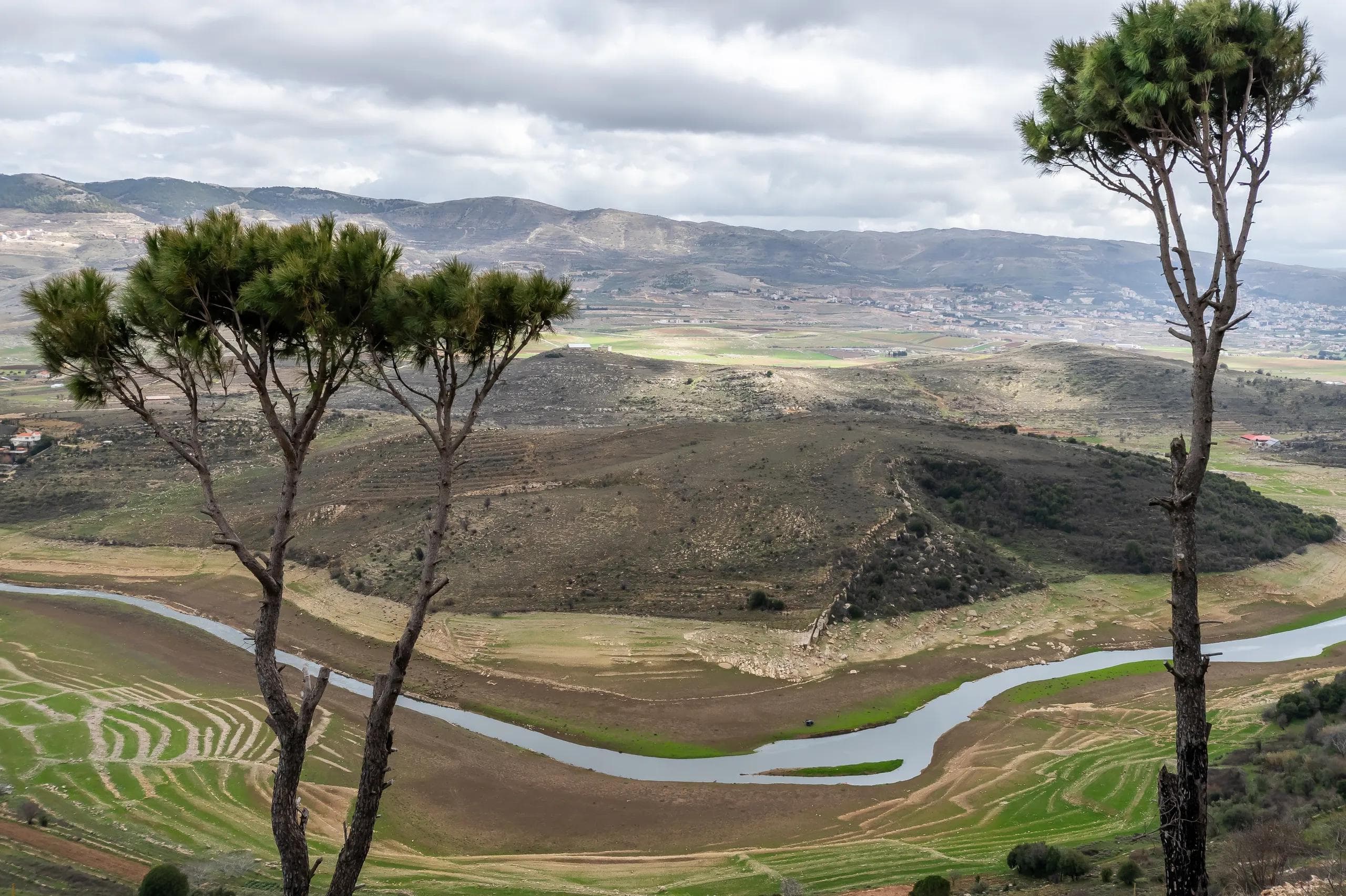
Hezbollah rejected a U.S.-brokered ceasefire agreement between Israel and the Lebanese government on June 4, insisting that any agreement must include a complete Israeli withdrawal from Lebanon. The rejection threatens broader efforts to end the Iran war.
The framework, which the U.S. State Department announced June 3, called for Hezbollah to cease attacks and pull back from border areas in exchange for a reduction in Israeli military operations. As Zeale News previously reported, the proposal also called for the creation of pilot security zones in southern Lebanon under the exclusive control of the Lebanese Armed Forces.
>> House moves to curb Trump's Iran war powers as Israel accepts Lebanon ceasefire <<
Naim Qassem, Hezbollah’s deputy leader, dismissed the framework as “absurd, humiliating, and insulting,” according to AP News. The Iran-backed group, which was not a direct party to the talks, has refused to commit to halting attacks or withdrawing south of the Litani River.
“So long as our villages are not safe and are being bombed and destroyed and our people are killed,” northern Israel “will not be safe,” Qassem said in a statement read on television, AP News reported.
According to Reuters, Qassem said that “as long as the occupation exists, the resistance will continue,” he said, rejecting the deal as “a roadmap for the annihilation of a section of the Lebanese people and the enslavement of the rest.”
Qassem added that any ceasefire must apply to southern Lebanon, where Israeli forces have created a “buffer zone” that they say is needed to shield northern Israel from Hezbollah attacks.
Earlier on June 4, Israeli Defense Minister Israel Katz said Israel “will, for the time being, continue its fire and operations on the ground.” He added that his country would continue to “dismantle terrorist infrastructure in the area” and had “freedom of action, backed by the U.S., to strike in Beirut in response to attacks on Israeli communities and territory,” according to Reuters.
Katz also said Israeli forces would remain in the security zone, including around the 900-year-old Beaufort Castle, which lies about nine miles north of the Israeli border. Israeli forces seized the fortress May 31.
Before Qassem issued his statement, Lebanese President Joseph Aoun called the framework a “final opportunity to secure a comprehensive and permanent ceasefire,” and said the ceasefire could begin within 24 hours if all parties accepted its terms.
Iran has demanded that any lasting truce in the war extend to Lebanon, making the Hezbollah-Israel front a key obstacle in efforts to end the war. Tehran called off talks with the U.S. on June 1 after Israeli Prime Minister Benjamin Netanyahu ordered new strikes in Beirut’s southern suburbs. President Donald Trump has since said those talks are back on.
Trump said in a June 3 interview that he was perturbed by Israel “constantly fighting in Lebanon” and confirmed reports that he told Netanyahu in a recent phone call that he was “f****** crazy” for ramping up military operations in the region.
Negotiators now face the challenge of reconciling Hezbollah's demand for a full Israeli withdrawal with Israel's insistence on maintaining a buffer zone.







Comments