Axios report: Trump berates Netanyahu in phone call over Israel’s Lebanon offensive
During an “expletive-laden” June 1 phone call, President Donald Trump reportedly called Israeli Prime Minister Benjamin Netanyahu “crazy” and warned that Israel’s military escalation in Lebanon had turned international opinion sharply against his nation, according to Axios.

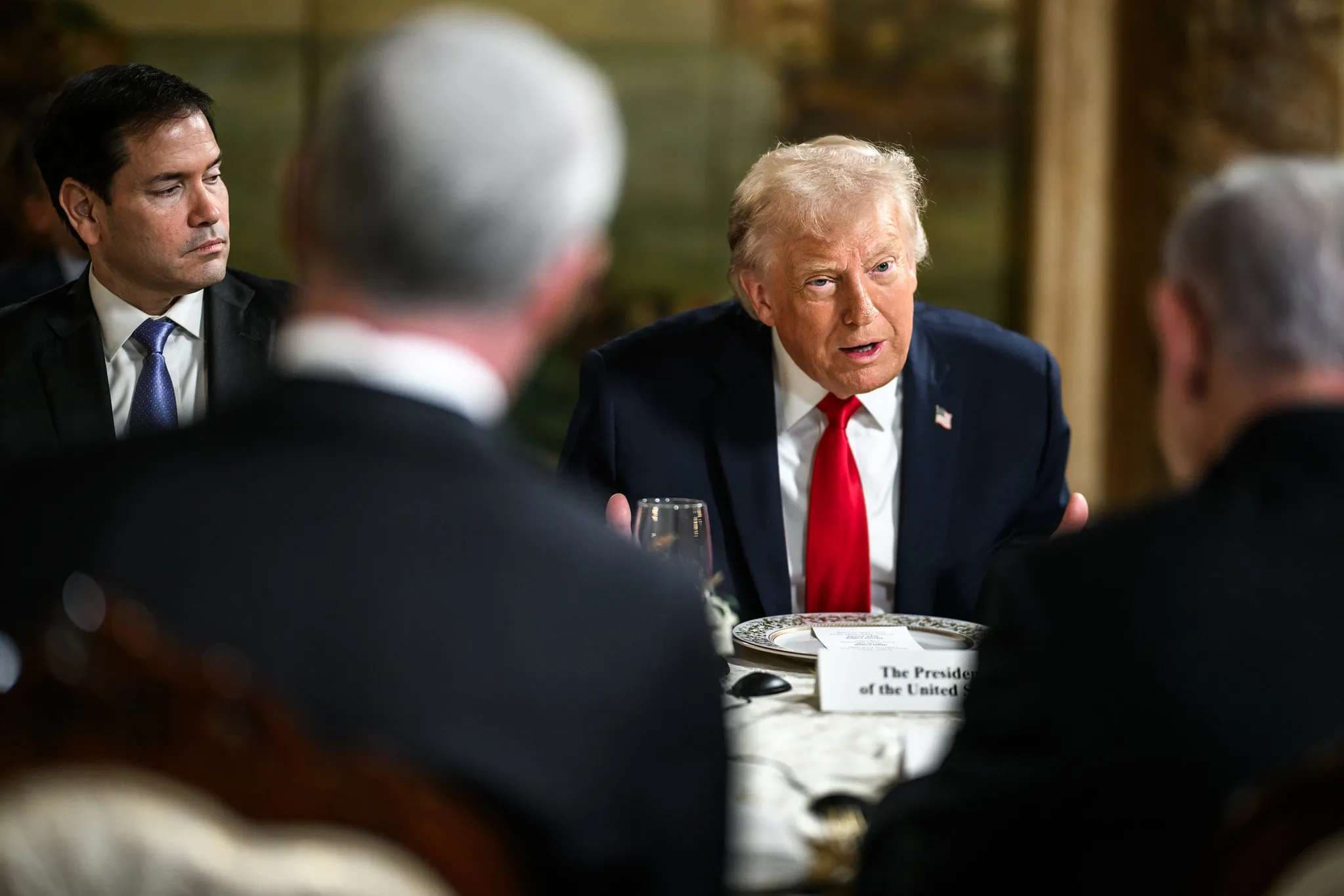
During an “expletive-laden” June 1 phone call, President Donald Trump reportedly called Israeli Prime Minister Benjamin Netanyahu “crazy” and warned that Israel’s military escalation in Lebanon had turned international opinion sharply against his nation, according to Axios.
Two U.S. officials and a third source briefed on the conversation told Axios that Trump was furious over Netanyahu’s plans to expand operations in Lebanon, including planned strikes on Beirut after Israel pushed deeper into Lebanon than it has in more than 25 years. Netanyahu has said the campaign targets Hezbollah fighters and infrastructure in southern Lebanon, Zeale News previously reported.
“You're f****** crazy. You'd be in prison if it weren't for me. I'm saving your a**. Everybody hates you now. Everybody hates Israel because of this,” Trump reportedly told Netanyahu, according to one official who summarized Trump’s remarks to Axios.
A second source told the outlet that Trump was “pissed” and at one point yelled, “What the f*** are you doing?” at Netanyahu.
The call came hours after Iran said it was abandoning talks with the U.S. over Israel’s actions in Lebanon, as Zeale News previously reported.
One official told Axios that while Trump said Hezbollah had been shooting missiles at Israel and Israel needed to defend itself, he viewed Netanyahu’s operations in Lebanon as disproportionate.
Citing another U.S. official, Axios reported that Trump “was concerned by the fact that Israel had killed so many civilians in Lebanon, and objected to the Israelis knocking down buildings to take out a single Hezbollah commander.”
According to May 30 data from the Lebanese Ministry of Public Health, more than 3,000 people have been killed in Lebanon so far, and more than 10,000 have been wounded. United Nations data from April shows more than 1.2 million Lebanese residents have been displaced from their homes. The fighting has also affected Christian villages and historic sites in southern Lebanon, including the majority-Christian town of Qlayaa, where a Maronite Catholic priest was killed in an Israeli strike in March.
After the call, Trump posted on Truth Social that the Iran talks were “continuing, at a rapid pace” and said Israel had agreed there “will be no Troops going to Beirut.” He said Hezbollah, which he communicated with through “highly placed Representatives,” agreed that “all shooting will stop.” An Israeli official also told Axios that the country no longer plans to strike Hezbollah targets in Beirut.
>> Trump says Israel, Hezbollah agree to halt attacks, vows Iran talks will continue <<
The Embassy of Lebanon in Washington said Hezbollah agreed to a U.S.-backed proposal calling for a “mutual cessation of attacks,” according to a statement shared by the Lebanese presidency.
Netanyahu also issued a statement on X after the call, saying Israel would continue operations in southern Lebanon and strike Beirut if Hezbollah does not cease attacks. He said Israel’s position “remains unchanged,” according to an unofficial translation of the Hebrew-language post.
Hours after Trump announced the two sides had agreed to stop shooting, the Israeli military launched deadly new strikes in Lebanon, citing overnight Hezbollah attacks on its troops, according to AP News and NBC News.
AP News reported that the Israeli drone strikes killed eight people, including James Karam, a dentist from Qlayaa, and his daughter and son. According to the outlet, Hezbollah said its fighters had fired anti-tank missiles at Israeli troops advancing into the southern Lebanese village of Hadath, about four miles north of the Israeli border.
Meanwhile, another round of negotiations between Israel and Lebanon began June 2 in Washington, where Lebanese officials have indicated they plan to seek a ceasefire to prevent future attacks.



Comments