US Catholic bishops to convene in Florida this summer and consecrate the nation to Jesus’ Sacred Heart
The United States Conference of Catholic Bishops (USCCB) will gather in Orlando, Florida, from June 10 to 12 for its 2026 Spring Plenary assembly, where they are set to consecrate the country to the Sacred Heart of Jesus, as well as receive updates on Catholic prison ministry, World Youth Day 2027 in South Korea, and other topics.

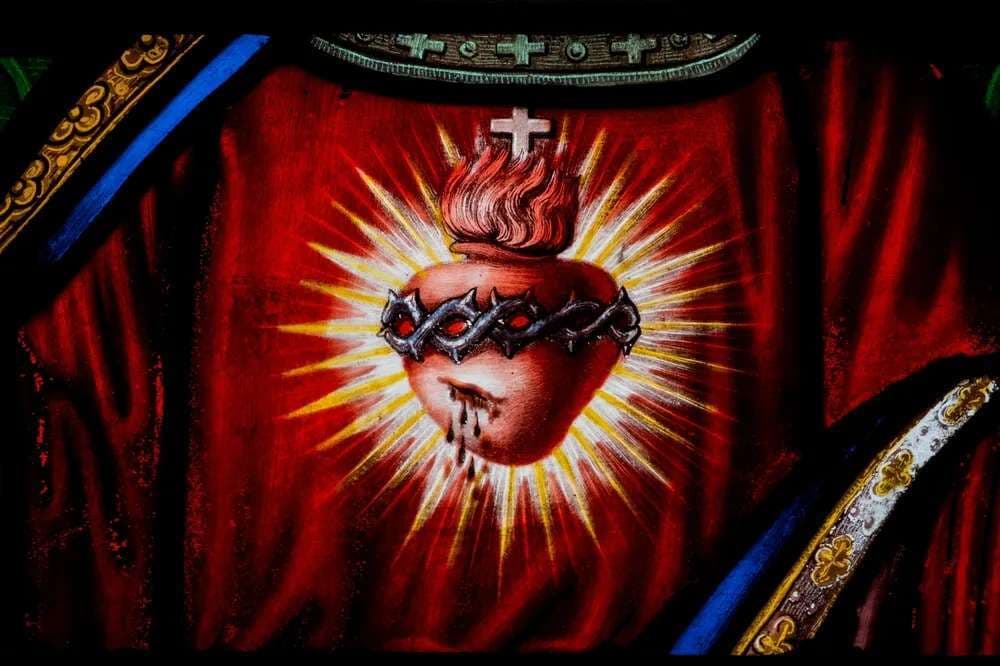
The United States Conference of Catholic Bishops (USCCB) will gather in Orlando, Florida, from June 10 to 12 for its 2026 Spring Plenary assembly, where they are set to consecrate the country to the Sacred Heart of Jesus, as well as receive updates on Catholic prison ministry, World Youth Day 2027 in South Korea, and other topics.
The bishops are consecrating the nation to celebrate the 250th anniversary of the signing of the Declaration of Independence, according to a May 18 USCCB press release.
The consecration will take place June 11 during a special Mass that will be livestreamed. In preparation for the devotion, the bishops will hear several reflections penned by brother bishops about the Sacred Heart of Jesus.
“The bishops’ livestream event is intended to be a catalyst to encourage parishes and individuals to participate in the America 250 commemoration by contributing to 250 Hours of Adoration and/or 250 Works of Mercy,” the release states.
The public sessions of the assembly will also be livestreamed through the USCCB’s YouTube channel.
Archbishop Paul Coakley of Oklahoma City, who was elected last year as the new USCCB president, will give his first remarks in the role at the assembly; Archbishop Gabriele Giordano Caccia, the papal nuncio to the U.S., is also set to give an address, according to the release.
The official agenda for the assembly is not finalized and thus subject to change, the release states, but the bishops are expected to vote on several action items, including on a revision to the Charter for the Protection of Children and Young People that addresses elements of the document that the bishops have decided need improvement or more development.
“The proposed revisions align with the Charter’s original intention of safeguarding minors and underscores the bishops’ continued commitment to addressing the prevention of abuse and ensuring the structures continue to be in place to respond to allegations,” the release continues.
The release adds that the USCCB Committee for the Protection of Children and Young People has underscored that “the revision attempts to balance its care of and sensitivity to victim-survivors, with an awareness of due-process, the rights of the accused, pertinent aspects of the revised Book VI of the Code of Canon Law,” as well as Pope Francis’ motu proprio Vos estis lux mundi, and the Dicastery for the Doctrine of the Faith’s Vademecum (handbook).
The release notes that the bishops are also expected to receive updates on several topics, including Synod on Synodality implementation and evaluation, feedback received during the bishops’ dialogue in 2025 about the USCCB document on voting, Forming Consciences for Faithful Citizenship, and the 25th anniversary of implementing Pope St. John Paul II’s apostolic constitution Ex Corde Ecclesiae in the U.S.
“The presentation is expected to provide a reflection on Pope John Paul II’s apostolic constitution to guide Catholic colleges and universities on theological and pastoral principles,” the release states.
The bishops are also expected to vote on lectionary and Liturgy of the Hours documents, as well as on a consultation on causes of beatification and canonization for Monsignor Joseph Francis Buh and John Rick Miller.
Monsignor Buh was born in 1833 in Austria and came to the U.S. at age 32, later being ordained a Catholic priest assigned to serve in Minnesota, according to Stella Maris Academy. He taught at a seminary for several years, but the academy describes him as having “a missionary heart” that drew him to ministry in a rural part of the state.
“Monsignor Buh exemplifies the cardinal virtue of justice in his desire to give God his life as missionary,” the academy states, “as well as his decades of advocacy and championing the rights of the Native American communities and immigrant laborers in Minnesota.”
He died at the age of 90 in Duluth, after extensive service to the local communities.
Comments