Weigel: ‘Magnifica humanitas’ issues a call for ennoblement of humanity
Magnifica humanitas, Pope Leo XIV’s encyclical published May 25, is a highly needed exhortation for humanity to achieve its highest potential instead of becoming enslaved to power and technology, author George Weigel argued in a recent op-ed for the Washington Post.

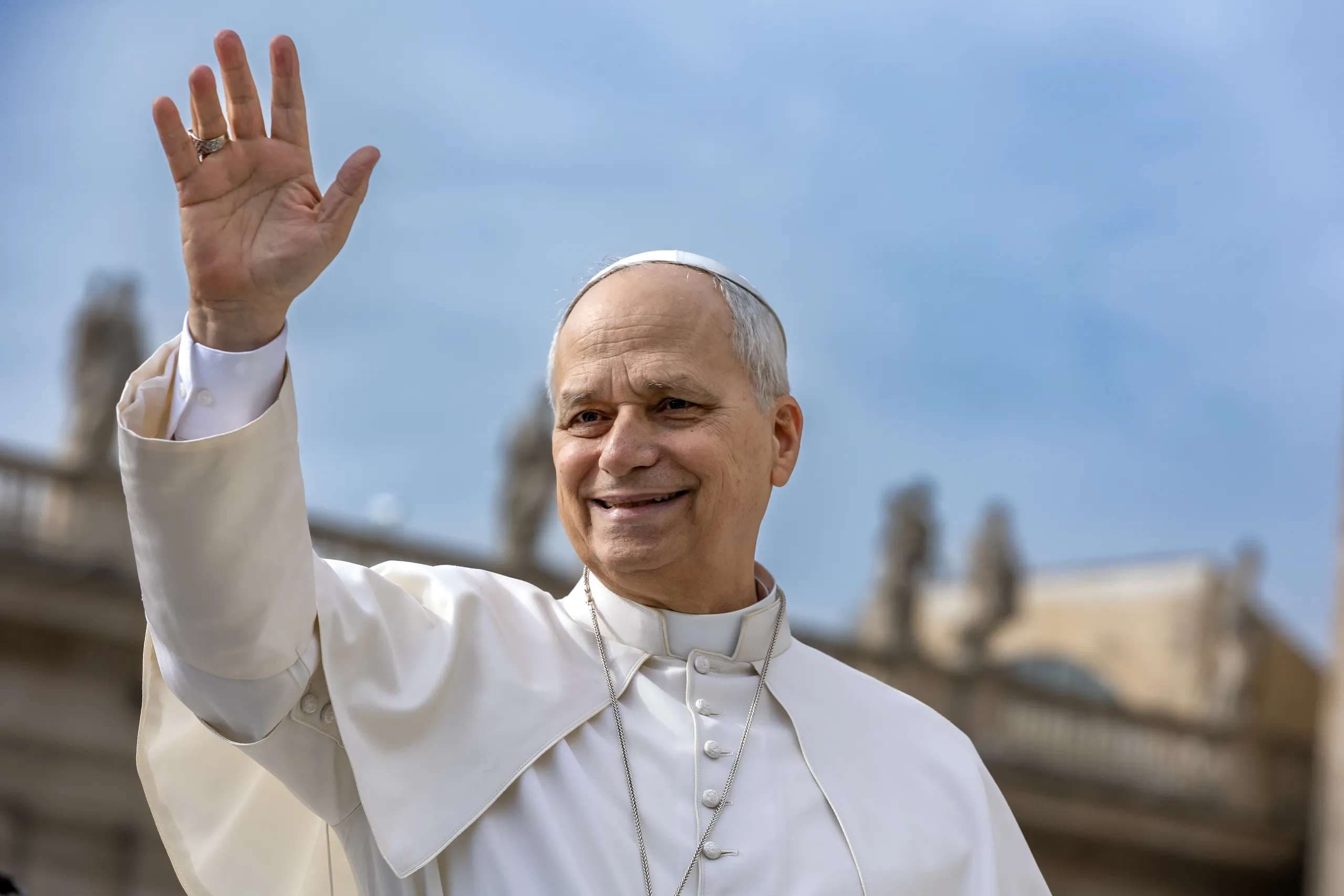
Magnifica humanitas, Pope Leo XIV’s encyclical published May 25, is a highly needed exhortation for humanity to achieve its highest potential instead of becoming enslaved to power and technology, author George Weigel argued in a recent op-ed for The Washington Post.
The encyclical embodies “a great and energizing hope born of Christian faith,” which accompanies “a striking confidence in the human capacity to do better than we’re doing at present,” Weigel wrote. Pointing to Pope Leo’s comparison of today’s civilizational potentials to the construction of Babel and Jerusalem, Weigel noted that the encyclical calls for a reinitiation into shared responsibilities and renewed relationships to react appropriately to the implications of the technological age.
The Pontiff wrote that the issue of the age is not whether technology should be approved or rejected; rather, he said that the question deals with the purpose of technology and whether it is used well.
Weigel highlighted Pope Leo’s assessment of human dignity and the relationship it holds with technology, which upholds the “grandeur of humanity” in comparison with human-like artificial intelligence (AI) robots and systems.
“We must avoid the misconception of equating this type of ‘intelligence’ with that of human beings,” Pope Leo asserted in the encyclical. “These systems merely imitate certain functions of human intelligence. In doing so, they often surpass human intelligence in speed and computational capacity, offering tangible benefits across many fields. Yet this power remains entirely tied to data processing.”
Weigel noted that the Pontiff said AI lacks several human experiences, such as holding relationships, feeling emotions, or having a conscience.
“They may imitate language, behavior, and analytical skills, or even simulate empathy and understanding, but they do not understand what they produce, for they lack the affective, relational, and spiritual perspective through which human beings grow in wisdom,” Pope Leo wrote.
According to Weigel, Pope Leo understands that technology can be used for good purposes and deeper human connection, but warns that progress, transhumanism, and post-humanism will not “replace the biblical truth that ‘humanity flourishes not despite limitations, but often through them.’” Those experiences inspire compassion, Pope Leo said, which draws humanity into its fullest ennoblement.
The Pope’s arguments on social doctrine and human dignity in relation to AI should remain central to potential upcoming policy debates on reining in or guiding technological advancements, Weigel cautioned, noting that the encyclical offers several key points that must influence discussions for the sake of calling humanity higher.
“In contrast to today’s cacophonous public ‘discourse,’ Leo XIV speaks in Magnifica humanitas with an adult voice: a voice appealing to our highest aspirations rather than pandering to our worst prejudices or most virulent fears,” Weigel concluded. “That in itself is entirely welcome, and no small contribution.”





Comments