Why grooms need strong portraits too
You don’t see many portraits of grooms. Yes, a bride radiates receptivity and beauty in a unique way that reflects something profound about her nature and about Who God is. But why aren’t we celebrating the distinctive way men reflect God as well?
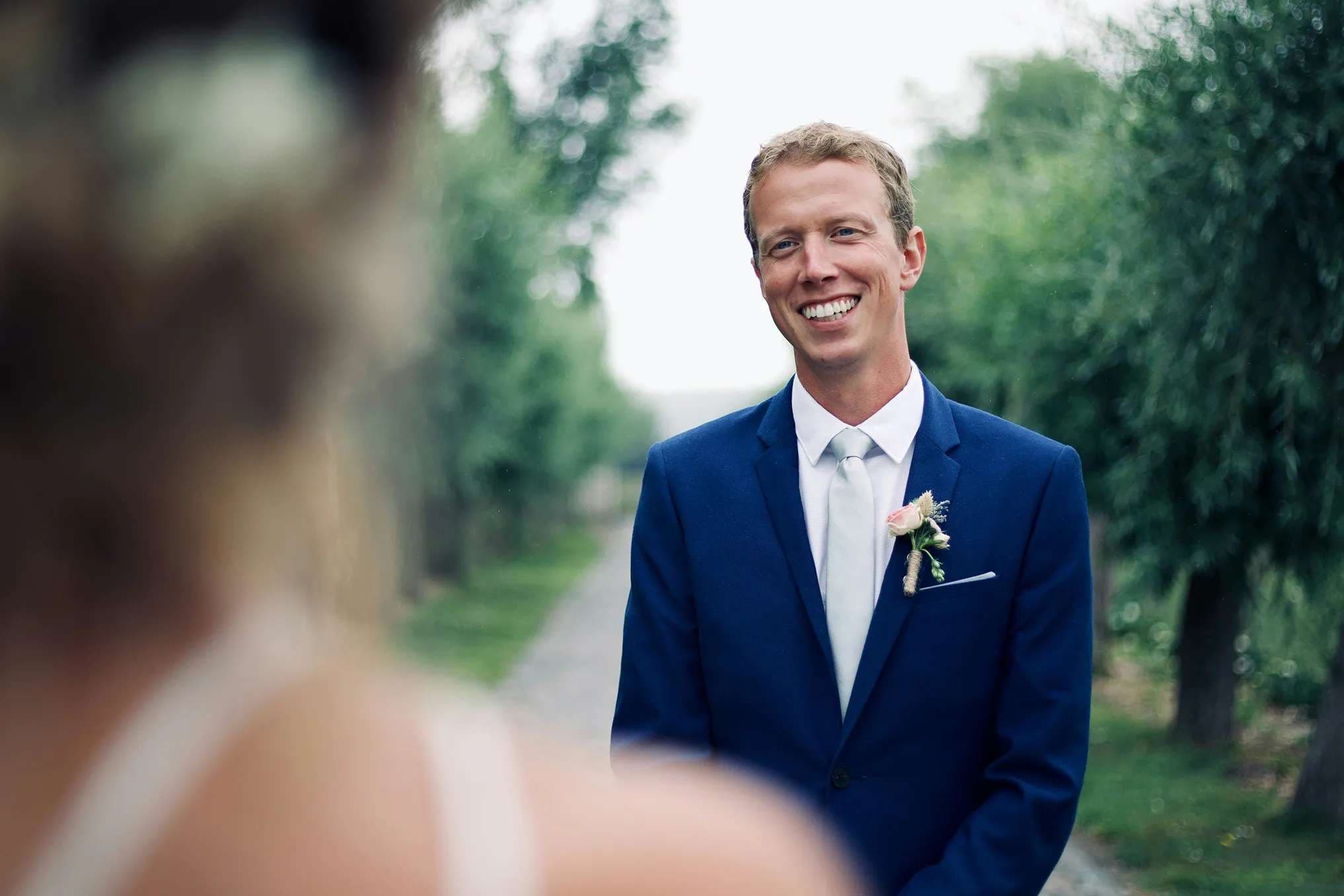
I love weddings. Perhaps it’s because of the excuse to dress up for the reception and dance among a sea of smiling faces. Or the flurry of giggles from bridesmaids as they eagerly anticipate the bride’s walk down the aisle to meet her teary-eyed groom. I’m especially moved by the beautiful Catholic tradition of presenting a bouquet to a statue of the Virgin Mary. Watching young couples enter the sacrament of marriage always leaves me hopeful.
This summer, I’ve been invited to three weddings, two of which I’ll spend on babysitting duty (the art of wedding babysitting deserves its own article). While scrolling through reception dress inspiration on Anthropologie Weddings and Pinterest, I began to notice something: You don’t see many portraits of grooms. Yes, a bride radiates receptivity and beauty in a unique way that reflects something profound about her nature and about Who God is. But why aren’t we celebrating the distinctive way men reflect God as well? After all, grooms deserve strong portraits, too.
Patriarchy reimagined
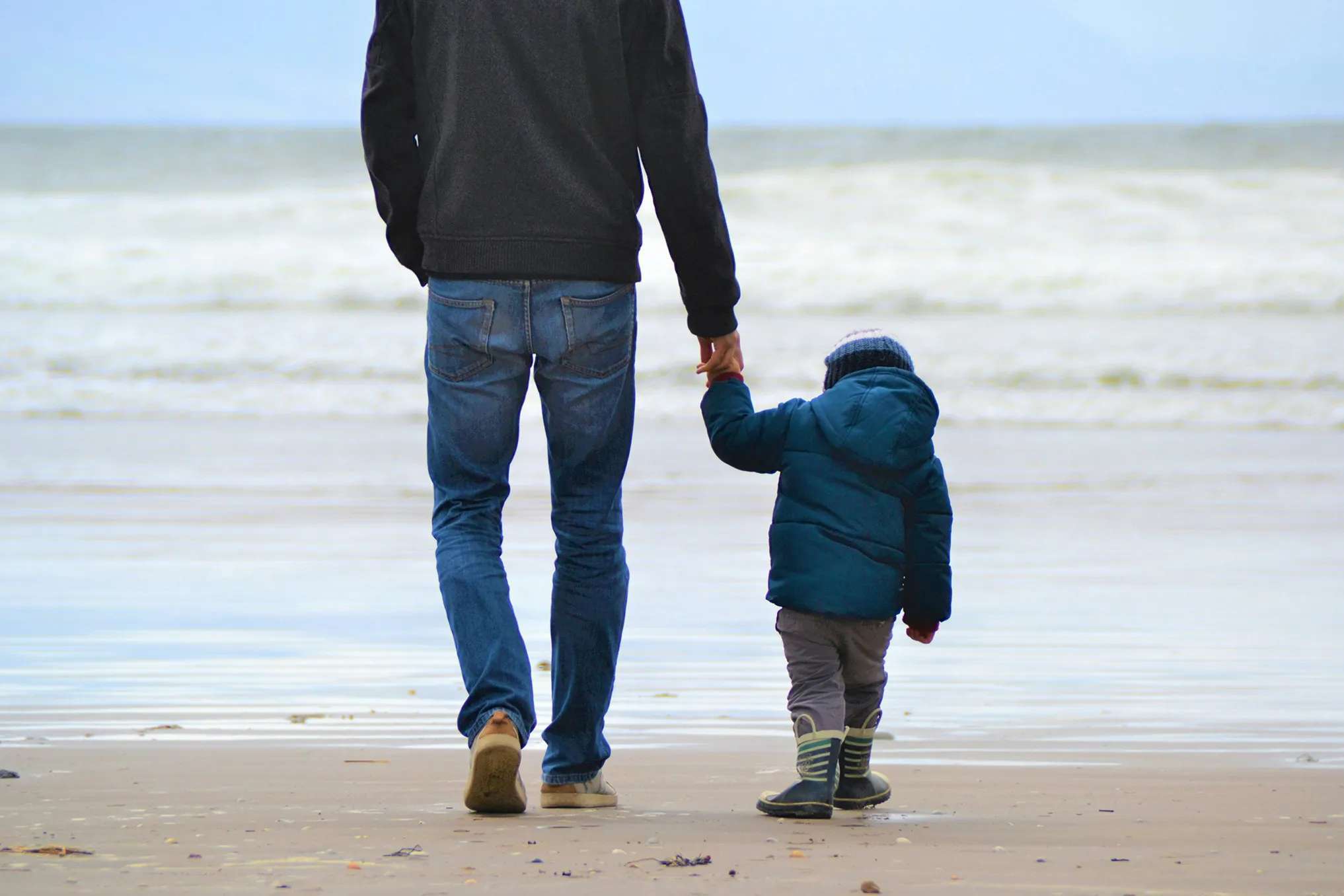
What if we could understand God as Father without the biases or wounds that sometimes shape our view of fatherhood? Our earthly experiences can easily distort what true fatherhood is meant to be.
The Catholic tradition offers a clearer image. In the Surrender Novena written by Father Dolindo Ruotolo, Jesus says: “How many things I do when the soul, in so much spiritual and material need, turns to me and says to me: ‘You take care of it,’ then closes its eyes and rests.”
This is the heart of authentic fatherhood: it invites trust, provides protection, and carries burdens with quiet strength. Properly understood, patriarchy is not about male domination but about an ordered structure that reflects God the Father. Patriarchy’s purpose is to guide the family toward what is good, true, and beautiful. Fatherhood becomes an emotional anchor, a moral example, and a source of spiritual and human growth within the home.
A groom’s portrait is more than a wedding-day photograph. It is a quiet reminder of the vocation to reflect this steady, self-giving love of a father.
Honoring the catalyst
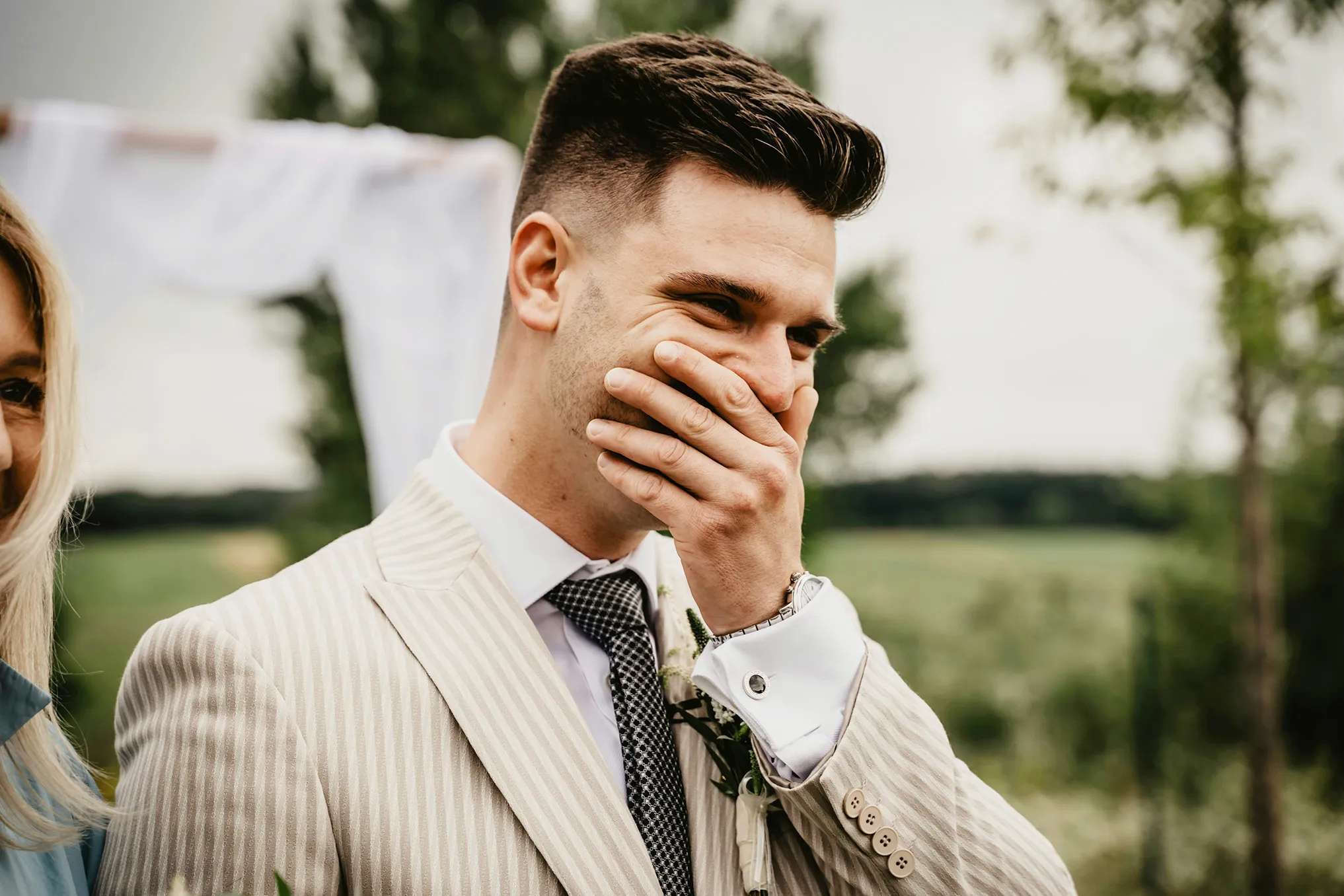
One of my favorite wedding memories was when a groomsman burst into tears during his best man speech. He recounted how the groom had persevered in their friendship, showed him how to be a man of character, and continually chose the best man to be a mainstay in his life. A truly virtuous and masculine man tows the line when things get hard, and never leaves another behind. I think this should be celebrated. All the discipline, hard work, and commitment that goes into leading another person to Heaven is no small task. A wedding day is not just the bride’s moment, it’s the groom’s too.
A strong portrait of the groom highlights how his movement toward God and his fiancée led to the moment when he popped the question as the catalyst to this grand event. The groom heard God in the still moments and courageously took action. The Wedding celebrates the pinnacle of what the groom started.
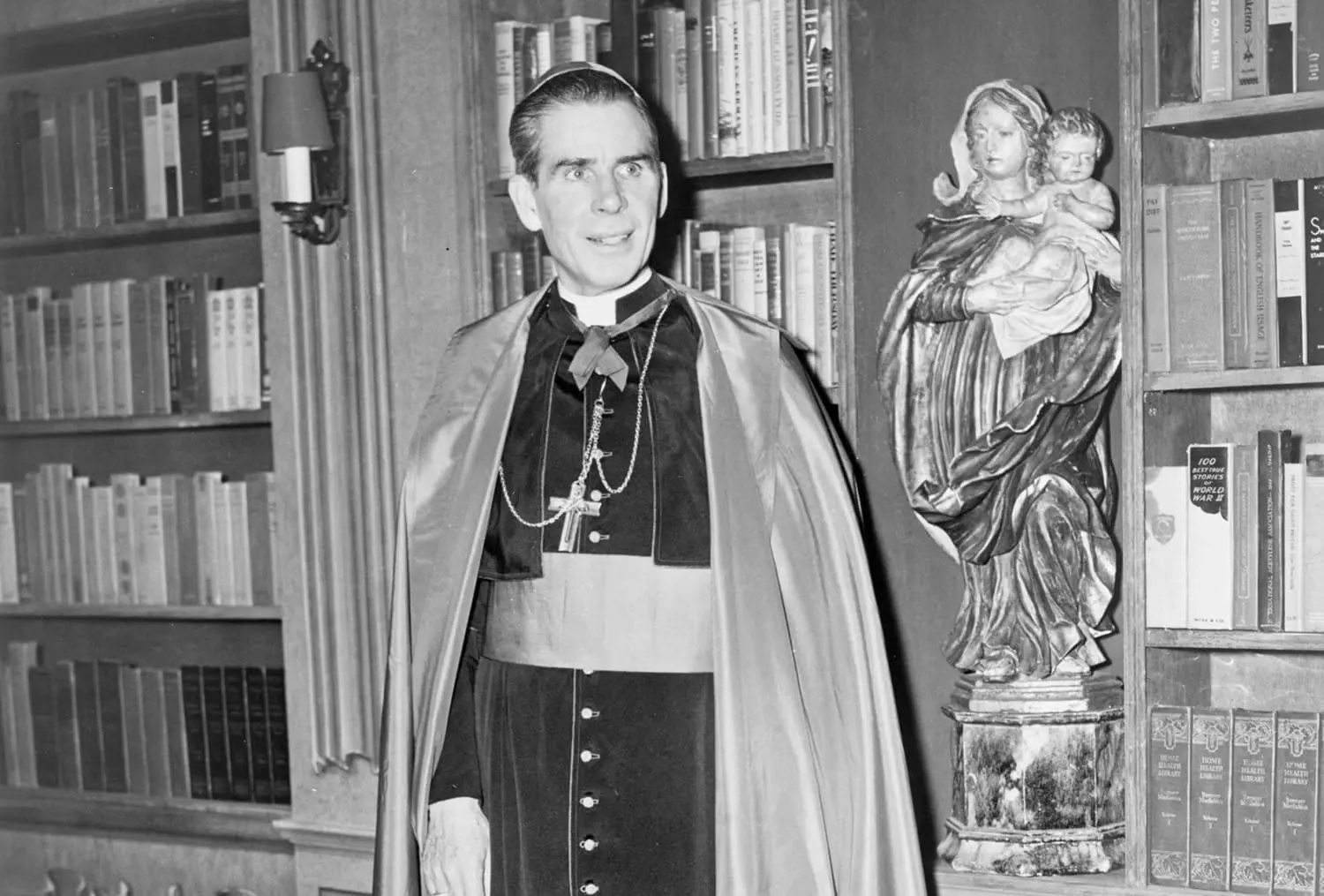
Yes, a bride has paid her dues in discipline, virtue, and preparing for her vocation. AsVenerable Fulton Sheen said, “To a great extent the level of any civilization is the level of its womanhood.” However, third-wave feminism has thrown our culture off-kilter.
Our culture has sidelined men, emasculating them through porn, digital addiction, and other lies. It no longer point them towards God and the greatness that comes from following Him. In amny ways, we have stopped trusting men to grow into great leaders by taking risks. Men entering into marriage ought to stand tall and think big as life unfolds ahead of them while they stand alongside their bride.
Celebrating strong and self-aware leadership
In the age of smartphones, it’s easy to take photographs for granted. Yet photography remains one of the most powerful and creative ways to preserve memory and pass on a family’s legacy. My grandfather was a photographer by trade. I grew up pulling out my own photo album of baby pictures and heirloom photographs on special occasions.
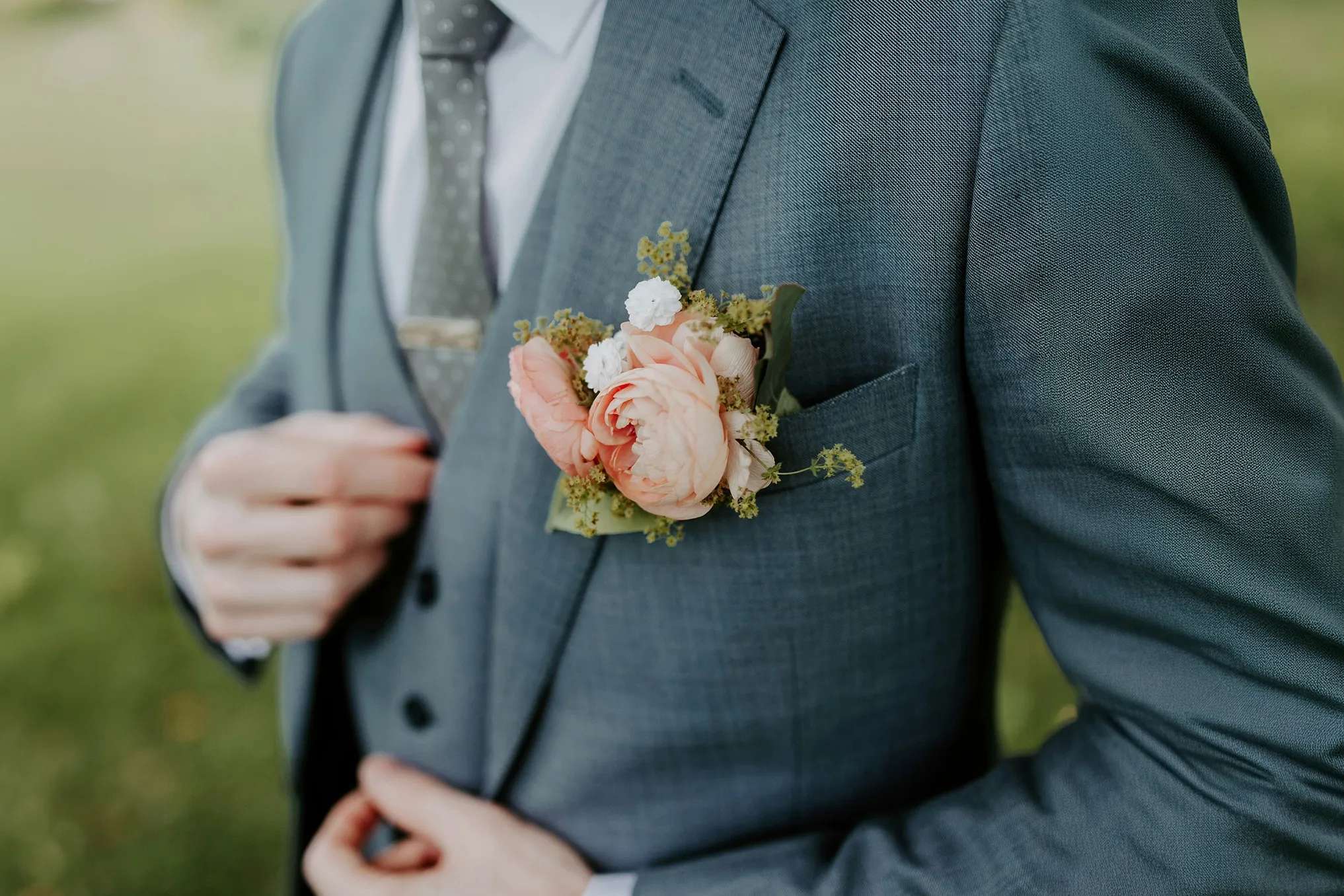
That experience made me an advocate for strong portraits of the groom as well as the bride. These images do more than commemorate a wedding day; they preserve the presence of a husband and father in the home for years to come. Secular pop culture often suggests that a groom becomes passive once married, but the Catholic vision of marriage tells a very different story. On his wedding day, the groom steps into a vocation: to lead his wife and family with sacrificial love as the spiritual head of the household.
Today, one of the most pressing cultural gaps is the lack of visible, healthy male role models for young men. Thoughtful groom portraits can quietly counter that trend. Far from promoting vanity, they celebrate healthy, not toxic, masculinity and offer a visual reminder of the groom’s call to courageous leadership. For guests, family members, and someday even future children, such a portrait says something simple but profound: Here stands the protector and servant-leader of this home.
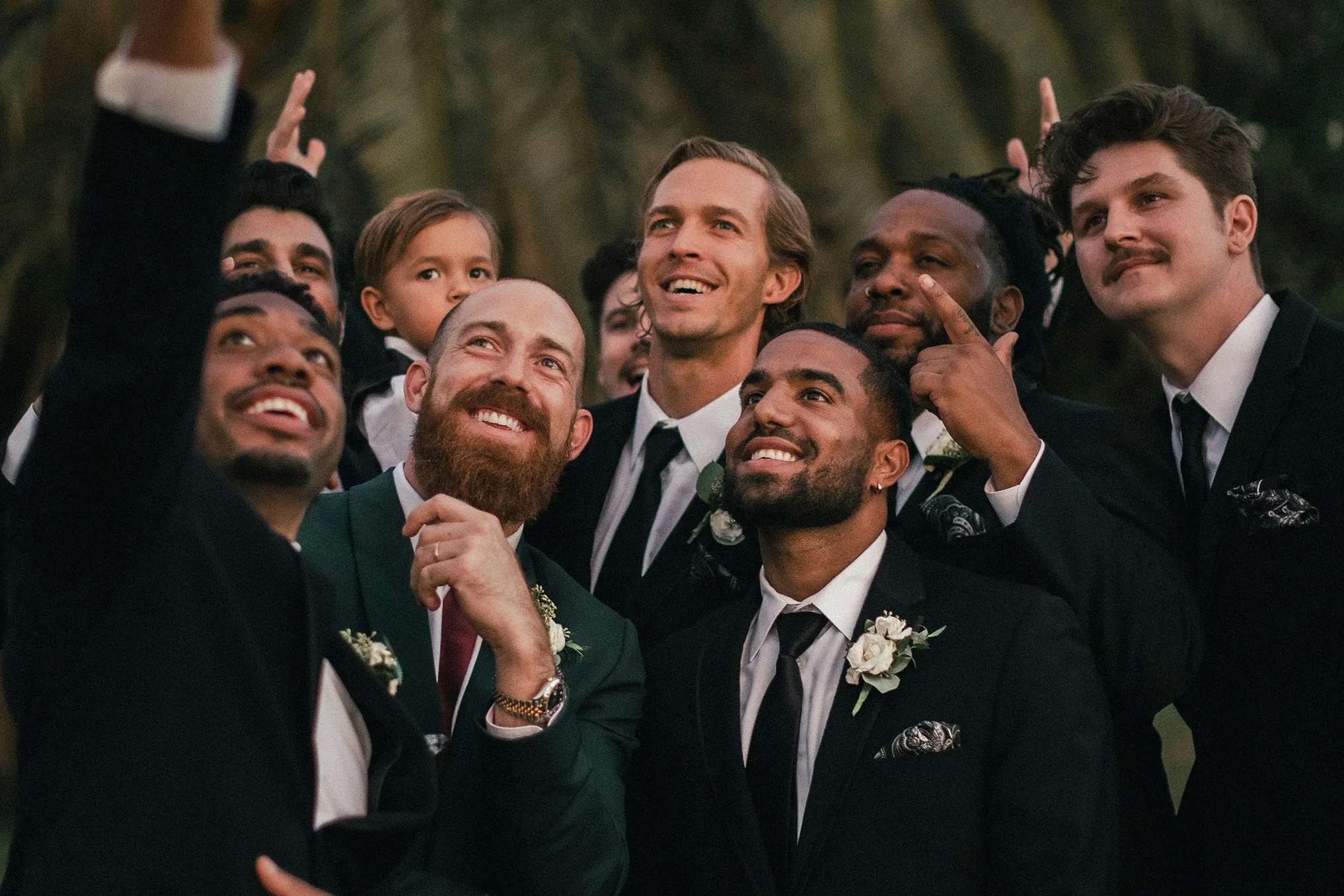
A role model who guides the way
Seen this way, a groom’s portrait is not about ego. It functions more like the sacred images we keep in our homes. Icons of St. Joseph, the Virgin Mary, and Christ remind us of who we are called to become. Family photographs are similarly tangible and human because they root a household in memory, identity, and love. Groom portraits, in their own small way, can participate in that tradition and the vocation it reflects.

Comments