10 Fundamentals that will make you a better home cook
Focusing on improving these 10 basic principles in the kitchen can help you unlock a new level of cooking and enhance your dishes with just a few simple tweaks.
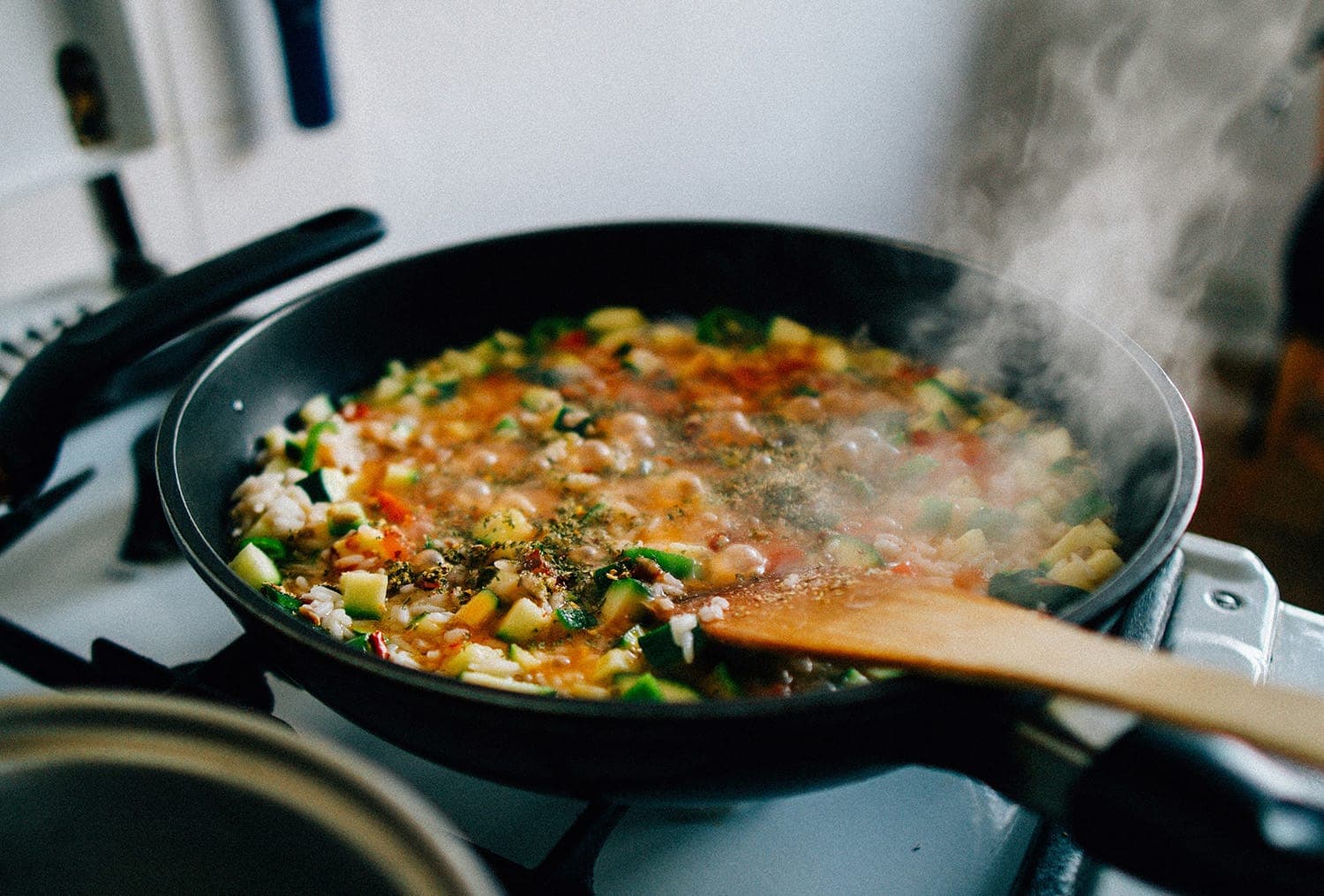
Whether you are trying to cook more meals at home or are already an avid home cook, certain fundamentals will help you become a truly skilled home chef. Understanding these basic principles can help you unlock a new level of cooking and will enhance your dishes with just a few simple tweaks and a few key principles in mind.
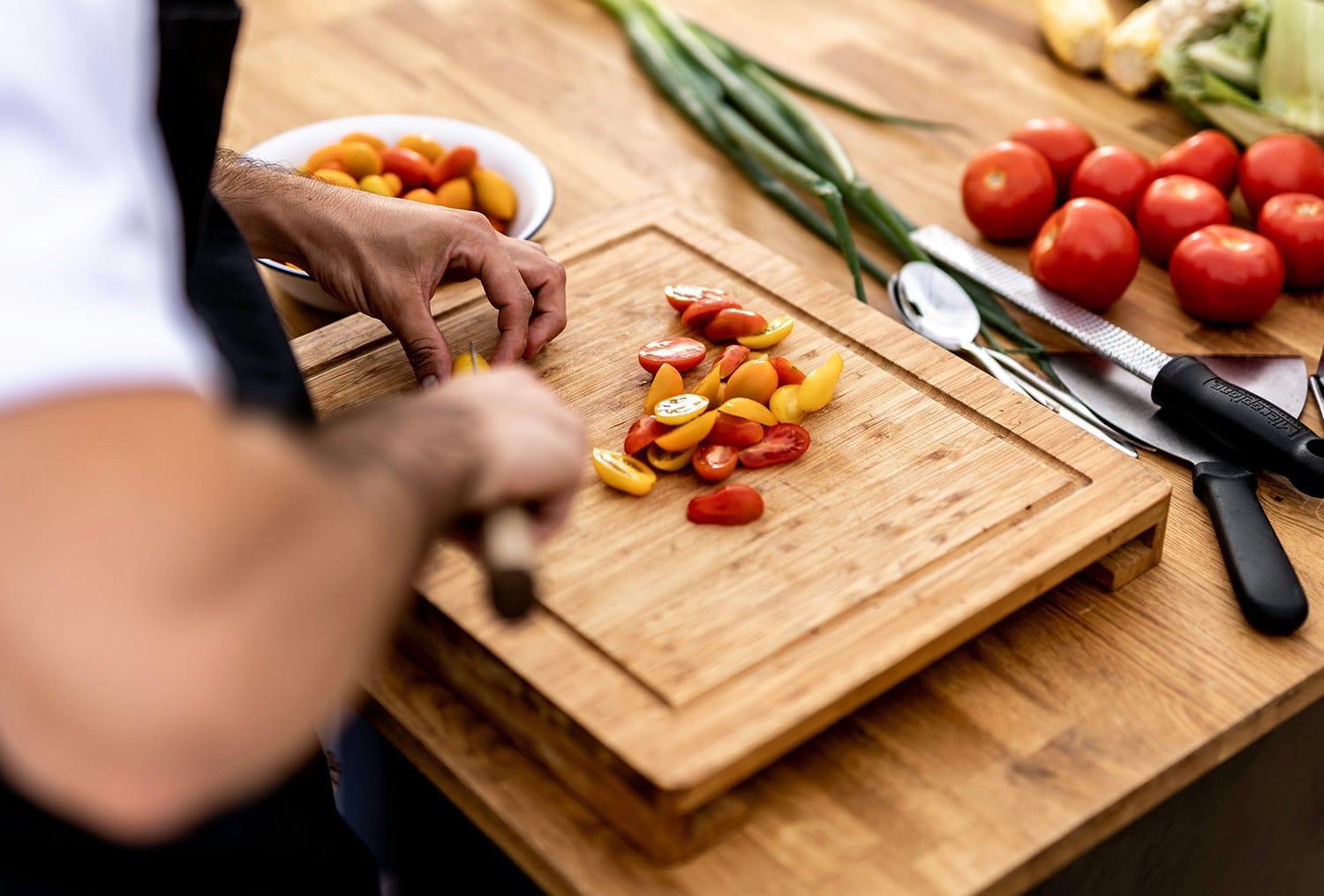
1. Elements — salt, fat, acid, heat
Understanding these cooking elements is so fundamental that award-winning chef and author, Samin Nosrat, published Salt, Fat, Acid, Heat to help chefs of all skill levels learn and understand each of these key elements.
Understanding the role of salt, fat, acid, and heat is pivotal for pulling out the key flavors of a dish and creating balance and pizazz. Salt enhances flavor. Fat adds richness and acts as a flavor carrier. Acidity adds brightness and balance (think vinegar, lemon, tomatoes, capers, etc.). Heat can dictate texture and taste (fresh, smoky, roasty, tender, crisp, etc).
So next time you’re in the kitchen, think through your recipes and meal ideas. How can you enhance the natural flavors of the ingredients to help them shine? What element is needed to make the dish pop or be smooth and balanced?
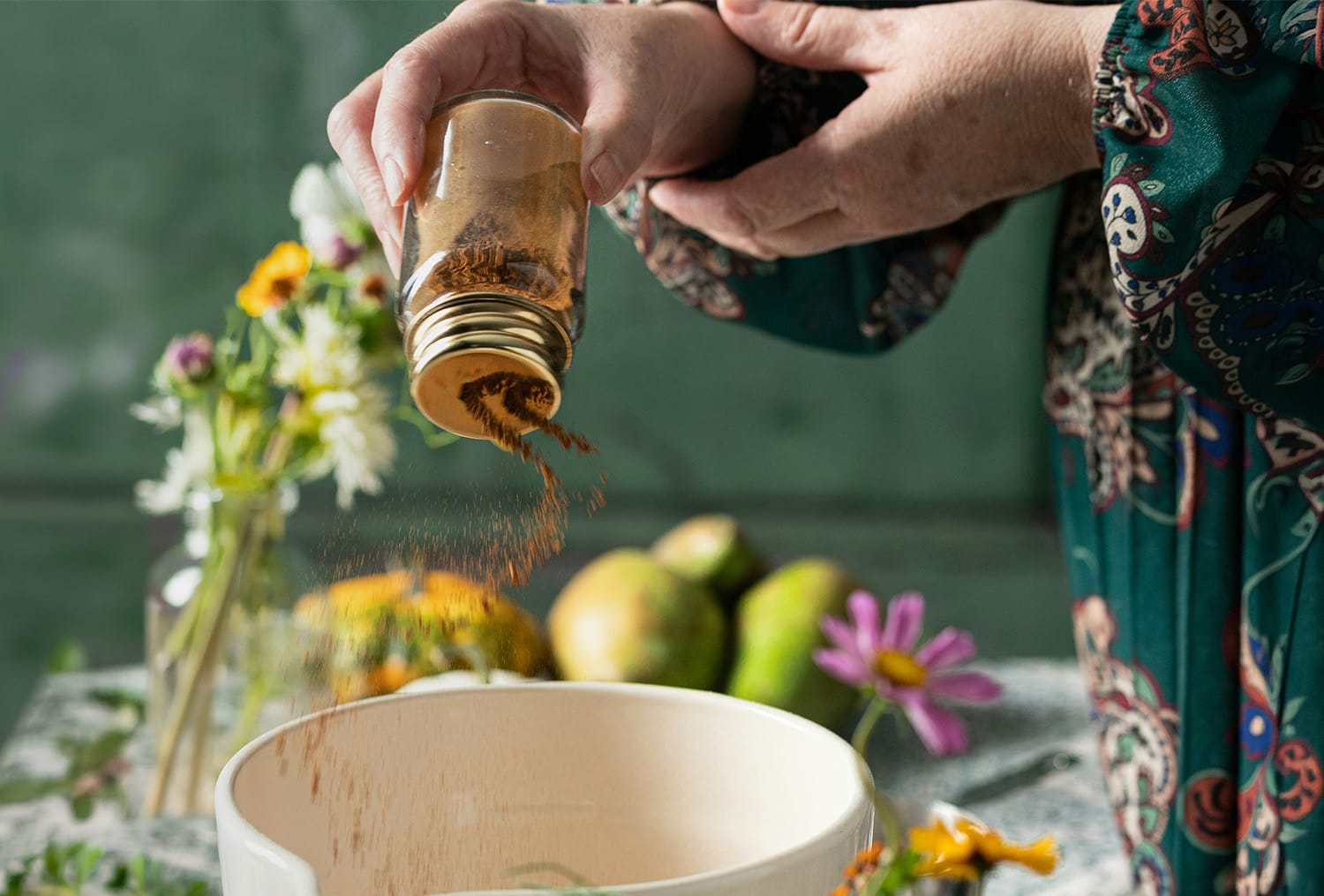
2. Season as you go
One of the most overlooked steps of cooking is seasoning with salt as you cook. Salt is key to bringing out flavor and helping build complexity. Salting as you go helps penetrate ingredients, draw out water, and season meats below the surface. Also keep in mind that ingredients like broth, cheese, cured meats, brined products, and sauces can add salt to a dish because they are often higher in sodium.
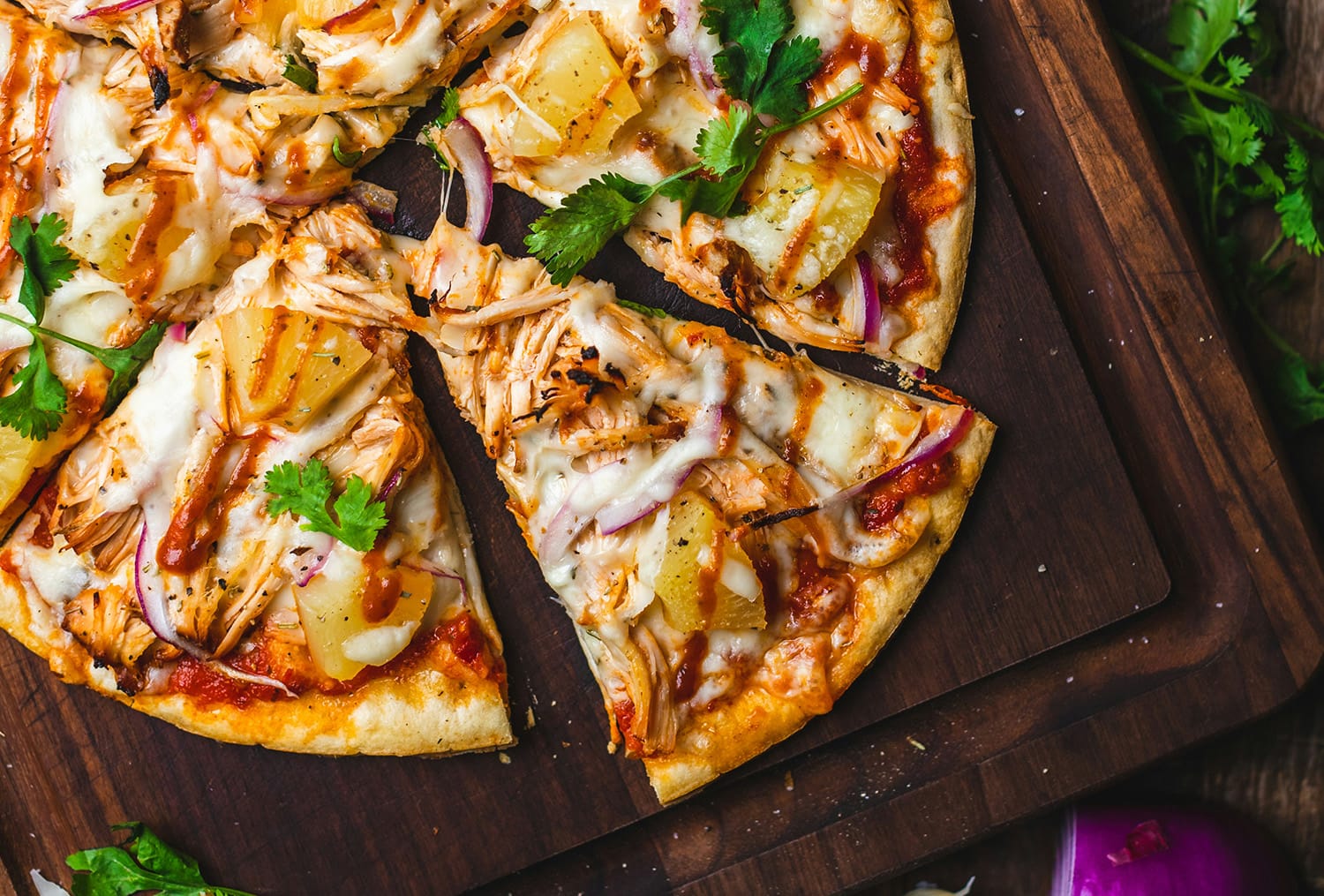
3. Texture matters as much as flavor
Great dishes often contain contrast: creamy and crunchy, tender and crisp, or rich and fresh. Sometimes a plate of uniformly soft food can be underwhelming even when seasoned well. Add elements of texture with nuts, seeds, crisp greens, creamy sauces, toasted breadcrumbs, roasting, grilling, and searing, etc. Find ways to add contrast to your dishes by layering textures to create balance.
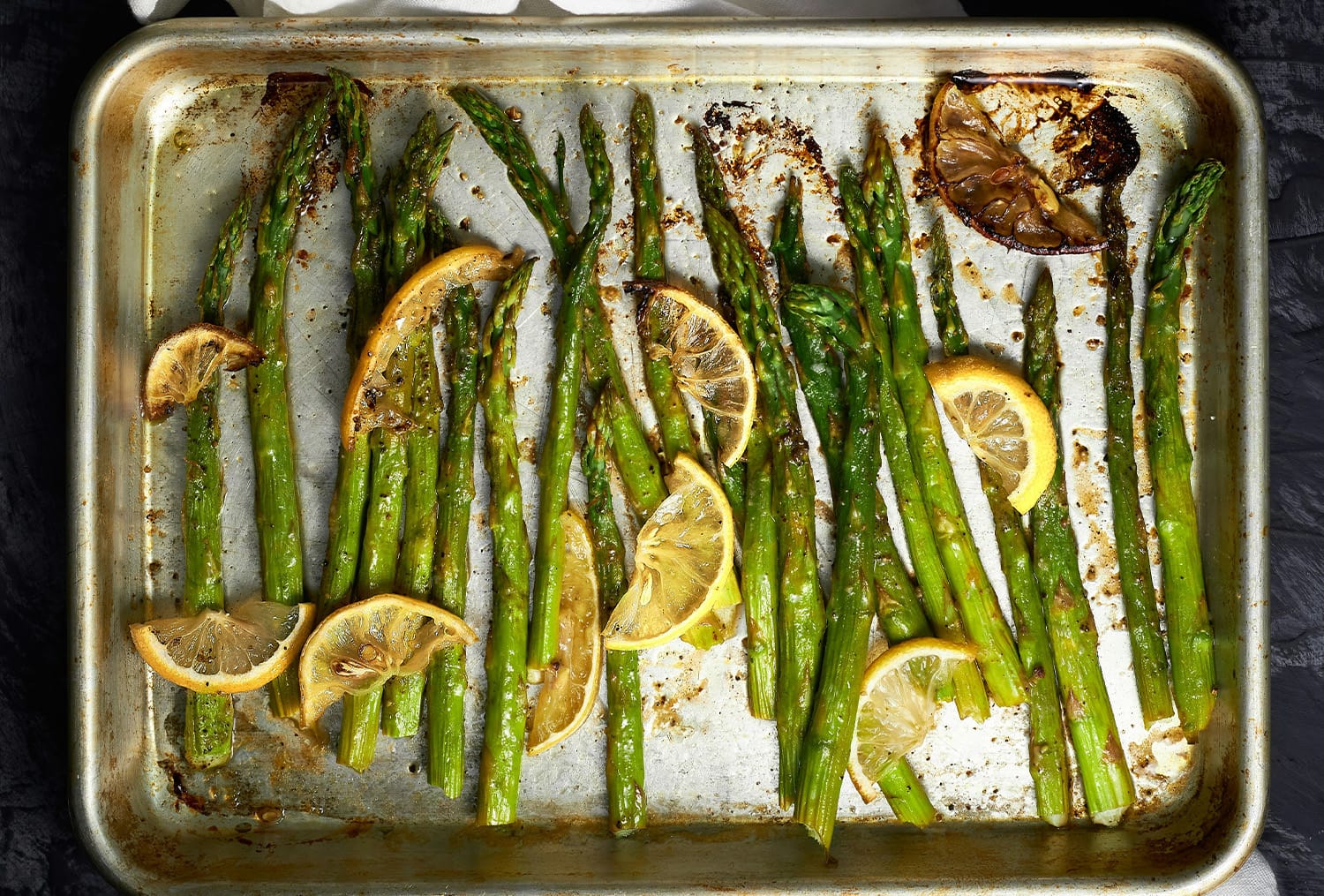
4. Do not overcrowd the pan
Crowded ingredients release moisture and steam instead of browning. Cook meat and vegetables in batches when necessary, leaving ample space between pieces to allow for evaporation and more even cooking. The same applies when using baking dishes and sheet pans.
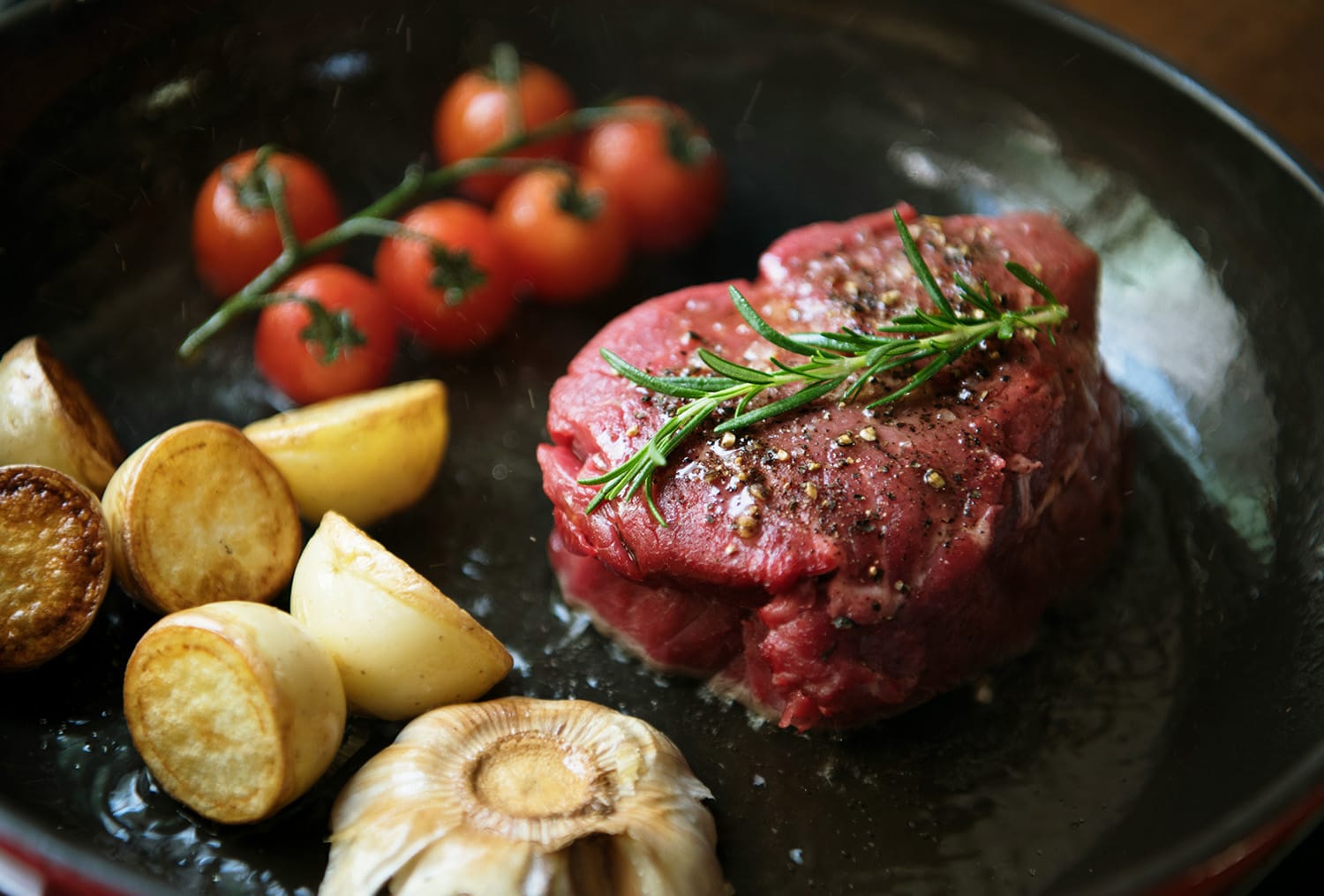
5. Browning is flavor
Good chefs are comfortable letting food get deeply golden. Many home cooks stop at pale beige because they fear burning. Learn how to properly sear, caramelize, and roast proteins and vegetables.
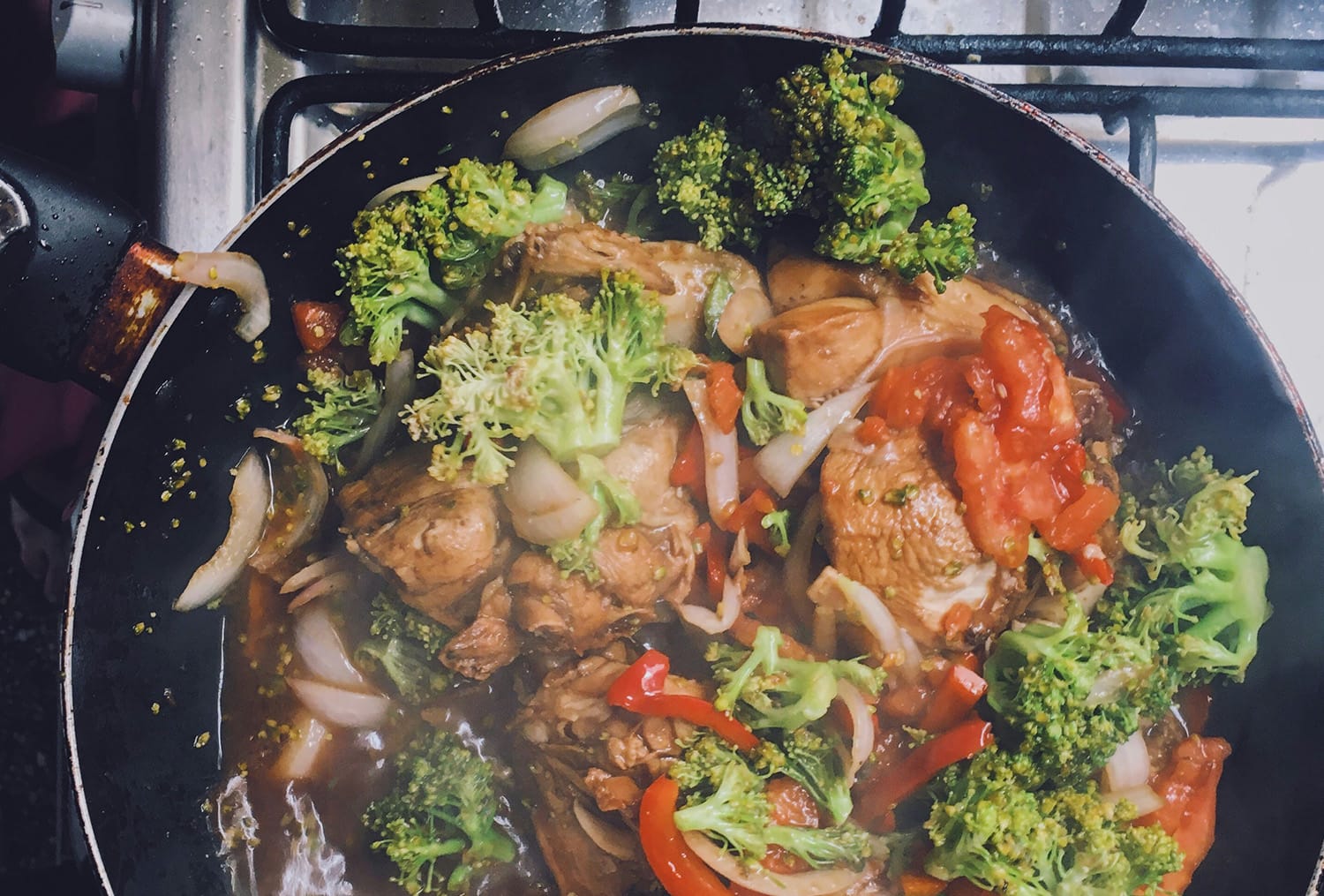
6. Do not move food unnecessarily
Part of browning and building a great crust is learning to leave the food to sit, ignoring the urge to constantly flip or move it. Put a steak, mushroom, fish fillet, or vegetable in the pan and leave it alone long enough to develop a crust. When it releases evenly, it has developed a good sear.
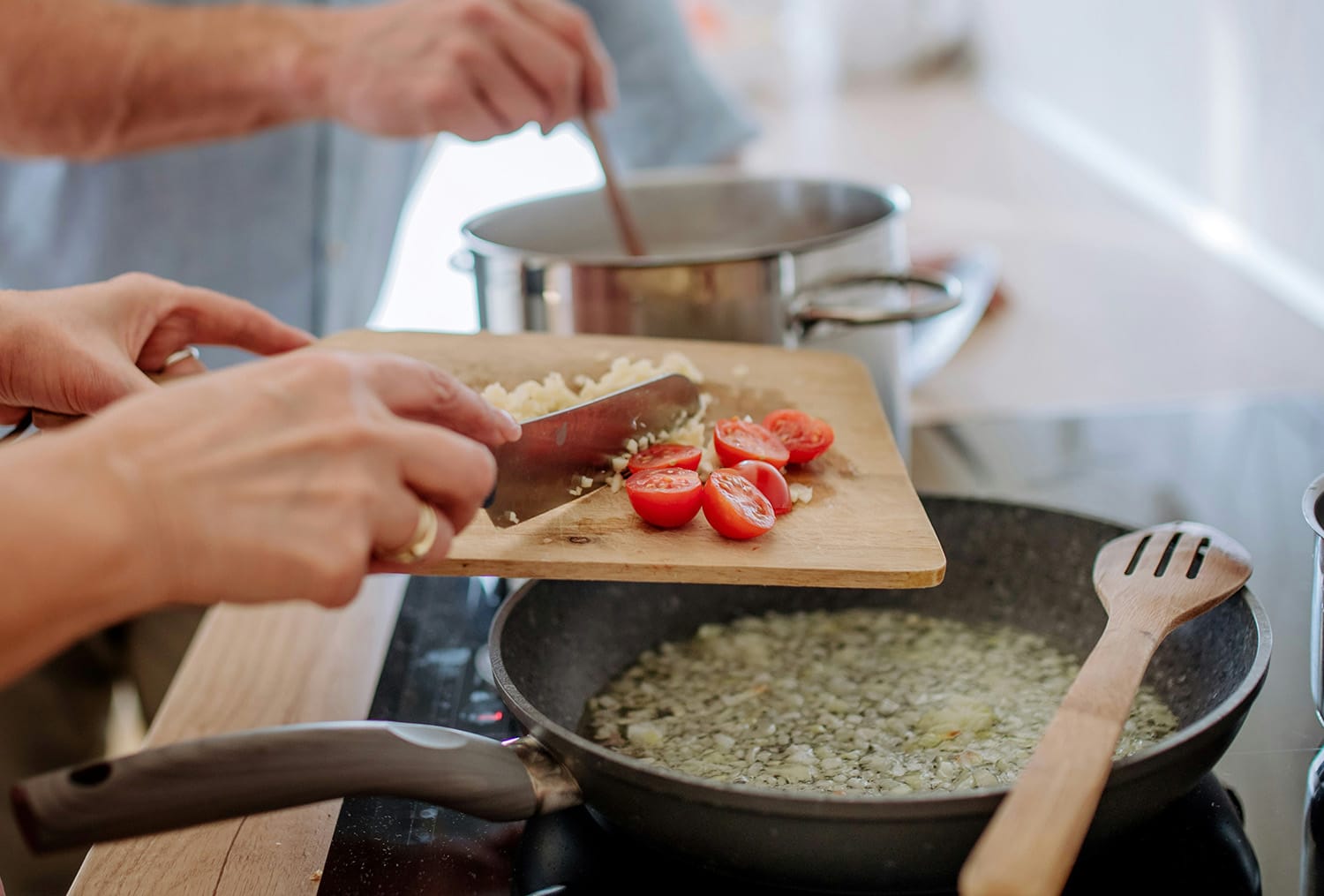
7. Toast and bloom your spices
Toasting whole spices in a dry pan before grinding, or blooming them by cooking briefly in oil or fat, releases aromatic compounds and creates much deeper flavor.
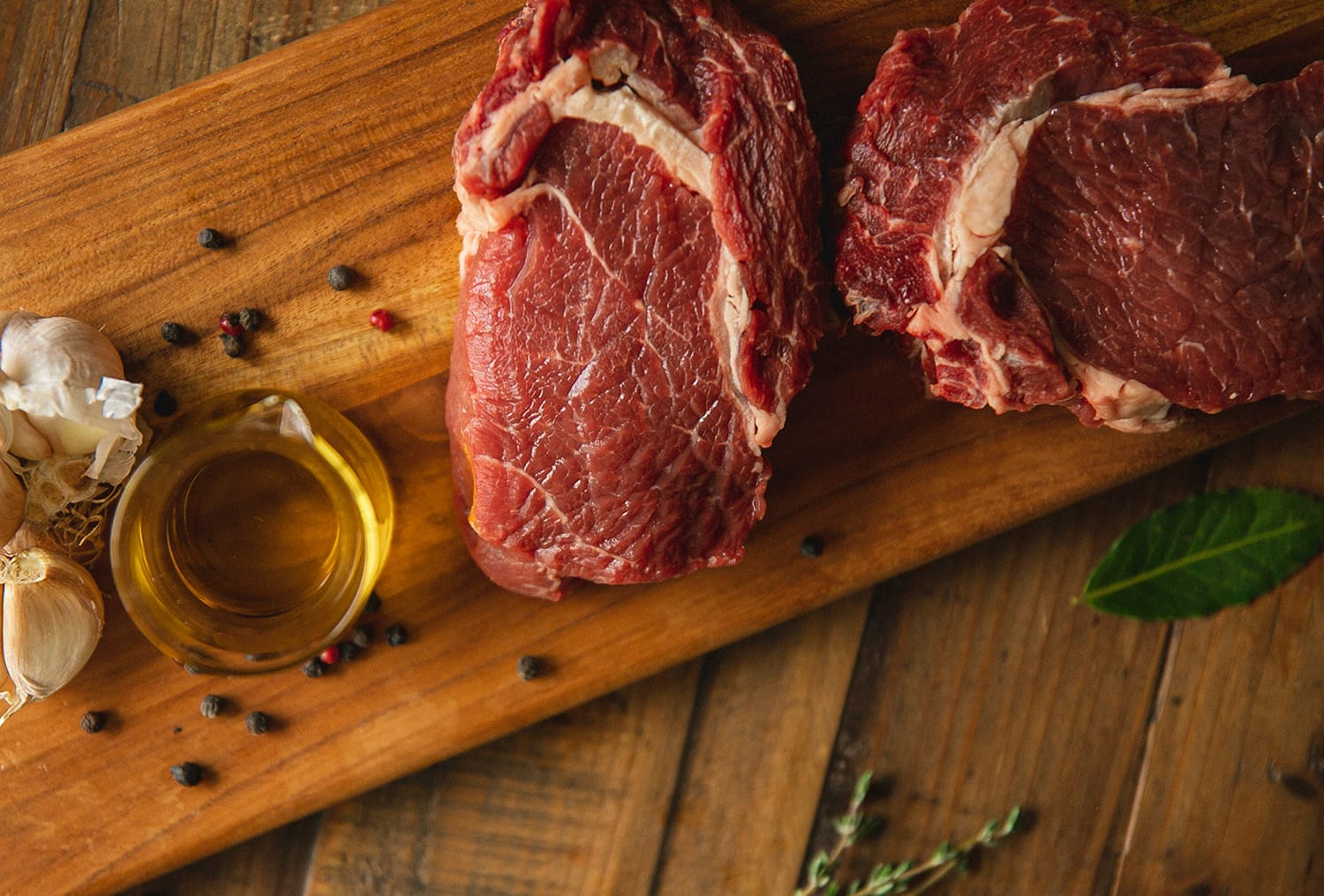
8. Let meat rest
It’s very important to allow any protein you cook to rest before slicing. This allows juices to be reabsorbed into the meat and helps it retain moisture. Resting is important for small cuts, but especially important for larger roasts. A good rule of thumb is to rest for about 10 minutes per pound of meat, resting smaller cuts for around 5 minutes.
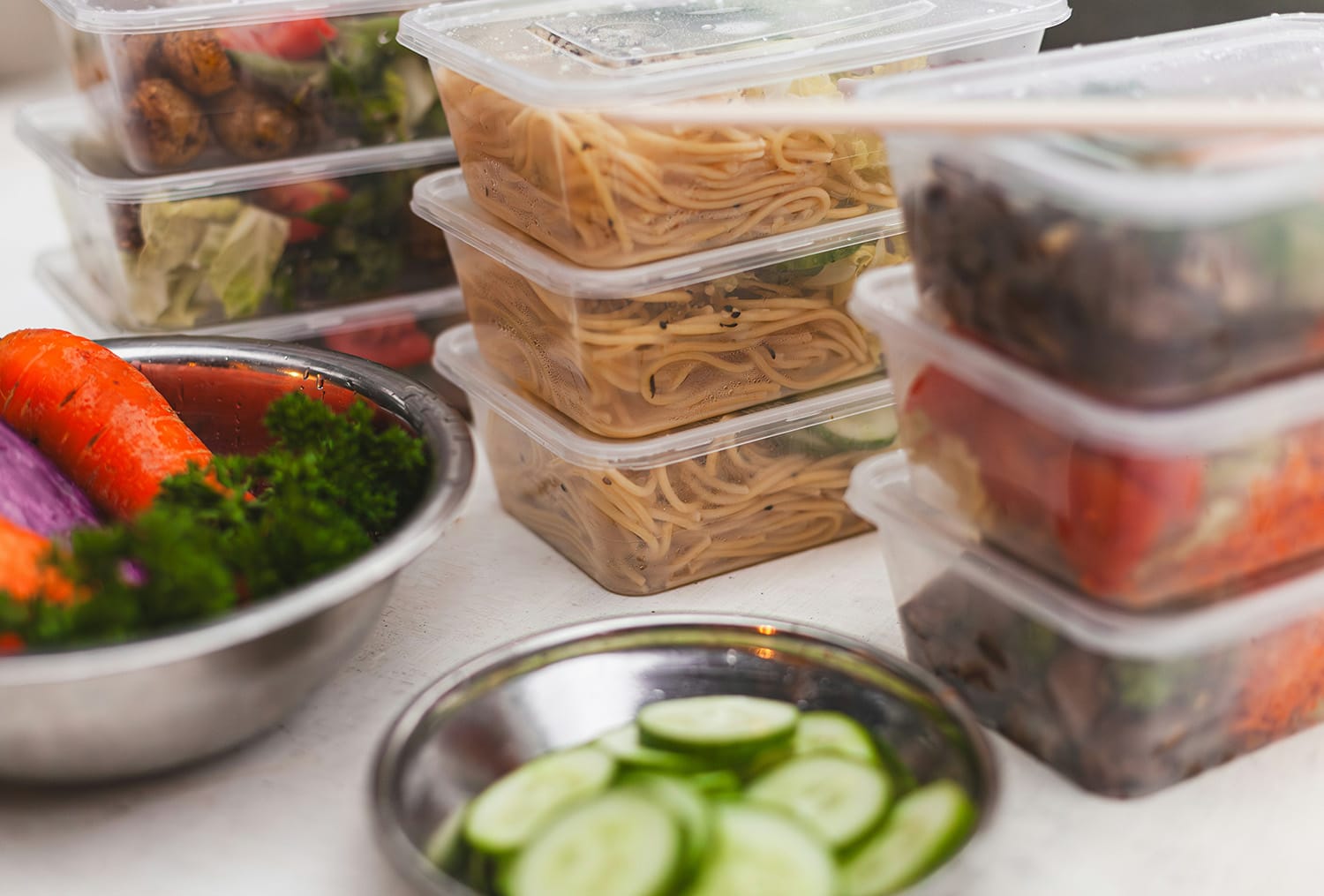
9. Use your freezer more
Freeze stocks, compound butters, sauces, herb oil, bread, bones, ginger, tomato paste, and concentrated reductions in small portions for prep-ahead convenience that you’ll thank yourself for later.
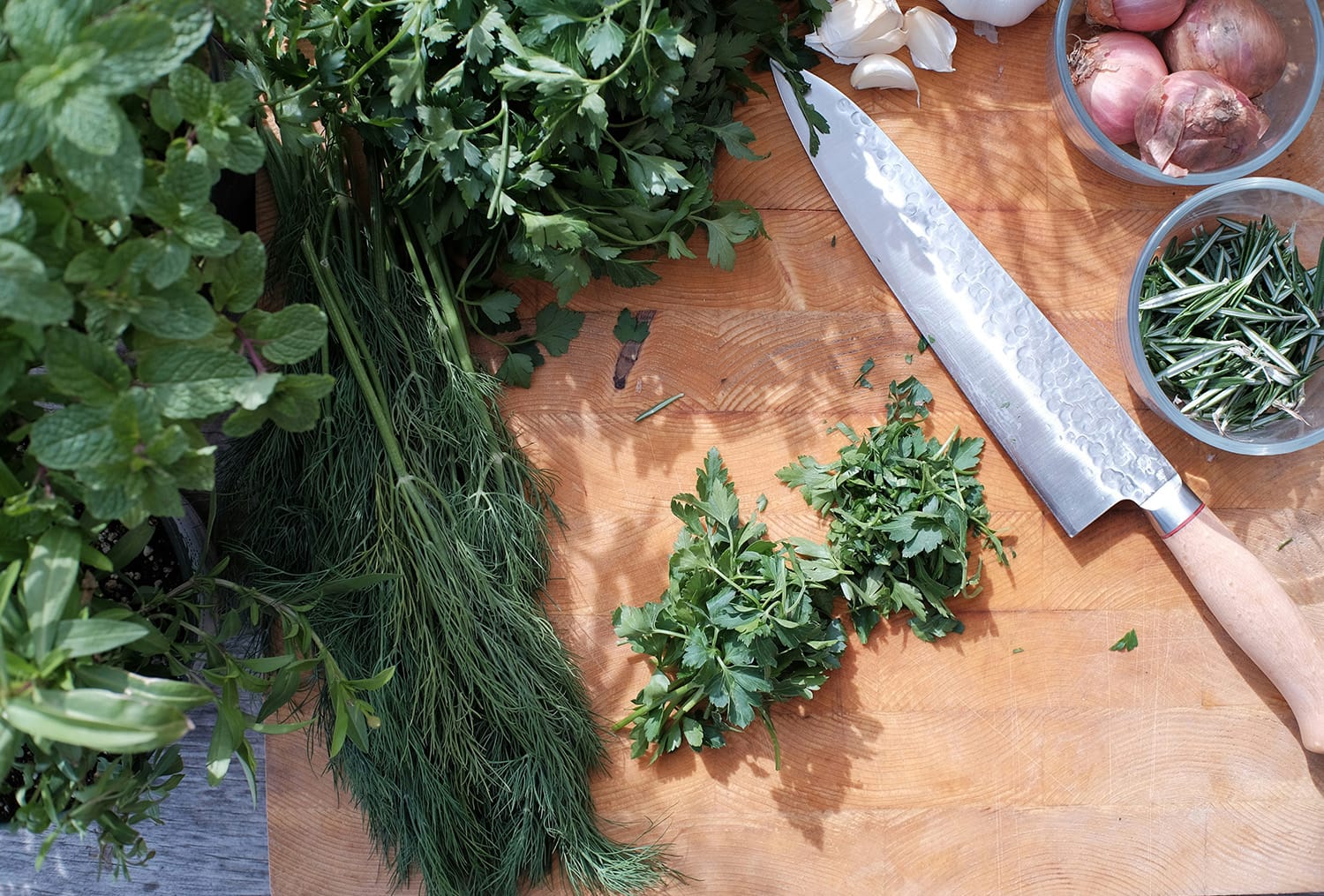
10. Fresh herbs have different jobs
Different herbs serve varied purposes in cooking. Hardy herbs like rosemary and thyme can withstand longer cooking times, while delicate herbs, such as basil and parsley, tend to shine when added toward the end of the cooking process and make for bright garnishes.
Embracing these simple principles in your kitchen will help you cook up meals that are truly exceptional. Let us know what fundamentals you found most helpful or surprising in the comments.
Happy cooking!
.jpg&w=3840&q=75)







Comments