4 professors propose US bishops partner with DHS to house immigration detainees
Four accounting professors writing in The Dispatch on Feb. 12 urged U.S. Catholic bishops to pursue what they call a more “constructive” response to the Trump administration’s expanded deportation campaign by seeking federal contracts to house immigrants currently held in ICE pre-removal detention.

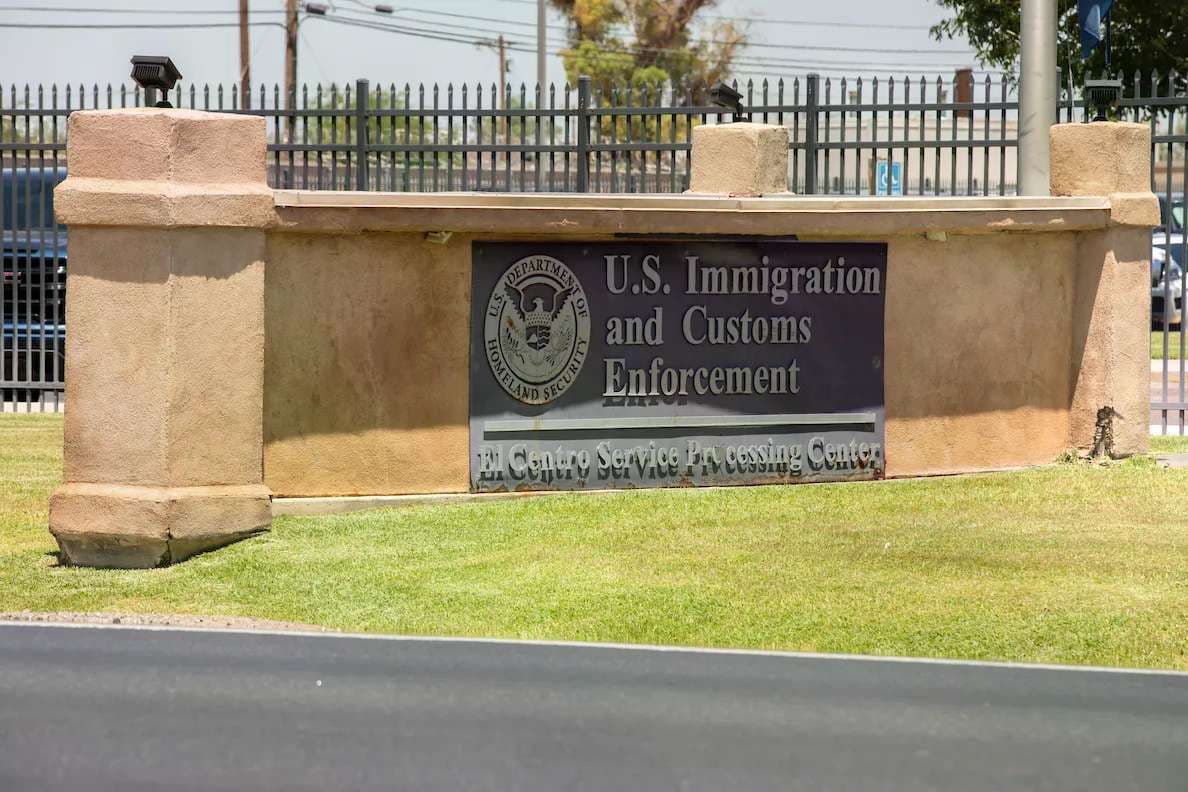
Four accounting professors writing in The Dispatch on Feb. 12 urged U.S. Catholic bishops to pursue what they call a more “constructive” response to the Trump administration’s expanded deportation campaign by seeking federal contracts to house immigrants currently held in ICE pre-removal detention.
In the opinion piece, titled “The U.S. bishops should pursue a new immigration strategy,” Robert Warren, Vilson Dushi, David Weber, and Timothy Fogarty argue that the United States Conference of Catholic Bishops (USCCB) should pivot from what they describe as “fruitless condemnations” of immigration enforcement and public prayer events at detention centers.
Instead, the authors propose working with the Department of Homeland Security (DHS) to convert unused parish rectories, closed Catholic college campuses, and vacant space at the bishops’ Washington headquarters into facilities that could house ICE detainees, especially families.
The authors’ proposal
The essay comes as the Trump administration intensifies enforcement against immigrants living in the U.S. illegally.
“The Trump Administration is still making good on the president’s campaign promise to deport an estimated 14 million foreign nationals residing in the United States without authorization,” the authors wrote.
They cited figures including 622,000 removals over the past year, an estimated 1.9 million self-deportations, and roughly 73,000 immigrants currently in ICE custody, with the administration planning to expand detention capacity to 100,000 beds. Congress has allocated $170.7 billion for enforcement, including $45 billion for detention facilities.
Against that backdrop, the authors organize their case around four observations.
- Immigration enforcement levels and funding suggest the administration’s current posture is unlikely to shift soon.
- A substantial share of those in ICE custody — including roughly 6,000 held in family units — do not have U.S. criminal convictions.
- The USCCB has long partnered with the federal government before through refugee resettlement programs.
- Reductions in those programs have placed church agencies under financial strain.
“Strategy is all about perceptions of relevant time horizons,” they wrote, suggesting the bishops’ current approach emphasizes long-term moral witness, what they call alignment with “the arc of justice,” rather than immediate engagement with current policy.
In their view, continued public opposition is unlikely to alter federal action in the near term. Cooperation with DHS, they argue, could allow the church to provide pastoral care to detainees while stabilizing church-run migrant services programs.
“We think that the bishops should revise their strategy to one that is both more constructive with the Administration and more beneficial to the non-criminal detainees and their families,” they wrote.
Funding history and scrutiny
The authors grounded their proposal in the bishops’ past federal partnerships.
From fiscal 2010 through 2024, the USCCB received nearly $1.3 billion in federal grants tied to refugee and unaccompanied minor services, most of which was distributed to local Catholic Charities agencies administering the programs. They argued that reductions in those programs have strained church agencies financially and suggest detention contracts could offset those losses.
Church leaders, however, have forcefully rejected claims that the conference profited from migrant services in past partnerships. New York Cardinal Timothy Dolan said in 2025 that federal funds reimburse humanitarian work and do not generate profit, calling accusations otherwise “scurrilous.” Bishops have said audited financial statements from previous years show the conference often spent more on refugee programs than it received in federal grants.
Strategic rationale
The authors acknowledged their proposal would likely encounter resistance. Still, they wrote that cooperation with federal authorities could preserve the Church’s institutional capacity during what they describe as an extended period of strict enforcement.
“Playing to win cooperatively in the short term preserves the ability to have a better and deeper impact in the long run,” they wrote, invoking the biblical phrase to “render unto Caesar.”
Legal and institutional challenges
Significant legal and logistical barriers would complicate such an arrangement. Immigration detention facilities must comply with federal standards requiring secure perimeters, continuous supervision, medical and mental health services, access to legal counsel, and accommodations for religious practice. Converting parish rectories — typically small residences designed for one or two priests — former college dormitories, or office space into compliant detention facilities would likely require substantial renovations and regulatory approvals.
Ownership structures present another obstacle. Many Catholic colleges and properties are controlled by religious orders or independent boards rather than dioceses, meaning bishops could not unilaterally commit those sites to federal contracts.
The proposal might also test the bishops’ longstanding public position on immigration. For more than a decade — including during the Obama administration’s Secure Communities and 287(g) enforcement initiatives — U.S. bishops have opposed large-scale deportations and consistently advocated for alternatives to detention, particularly for families and nonviolent migrants.



Comments