Airstrikes hit central Beirut apartment building as scrutiny grows over Israel’s conduct in Lebanon
An Israeli airstrike flattened an apartment building in central Beirut early March 18, in a wave of strikes that have increasingly hit civilian areas and drawn growing scrutiny over Israel’s conduct in Lebanon.

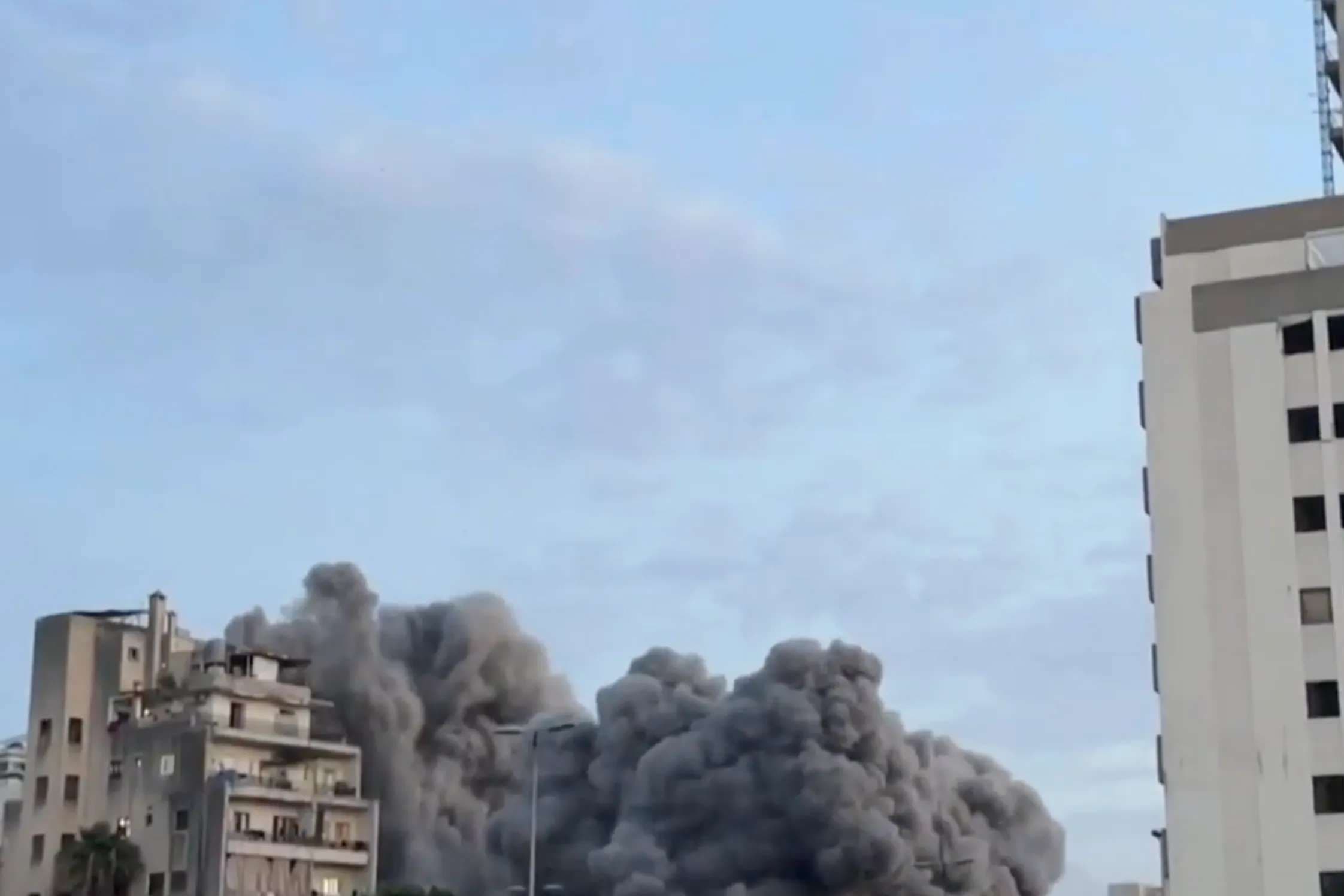
An Israeli airstrike flattened an apartment building in central Beirut early March 18, in a wave of strikes that have increasingly hit civilian areas and drawn growing scrutiny over Israel’s conduct in Lebanon.
The strike hit the Bachoura district as day broke, leveling the building after residents were warned to evacuate about an hour earlier, according to reports from Reuters. The Israeli military said the site was being used by Hezbollah for what it described as financial or operational purposes.
In its campaign against Hezbollah, Israel has largely focused its attacks on southern Lebanon and Beirut’s southern suburbs, where the group has a strong presence.
But strikes have expanded beyond those areas in recent days, hitting several neighborhoods in the city center. Lebanese Health Ministry and local witnesses confirmed the lack of warning for the initial central hits in these areas which were once considered safe, Reuters reported.
At least 10 people were killed in strikes on central Beirut and its southern suburbs, according to the Lebanese Health Ministry.
Israeli strikes also hit southern Lebanon and the eastern Bekaa Valley, forcing families to flee their homes. Local reports from Al Monitor say residents have streamed toward coastal cities such as Sidon. Roads have been gridlocked and shelters overwhelmed, leaving many to sleep in cars or along the seafront, according to Al Monitor.
The displacement comes as Lebanese authorities struggle to find shelter for those forced from their homes. Aid groups estimate that nearly 1 million people have been displaced since the latest round of fighting began, according to Al Monitor.
More than 900 people have been killed and over 2,200 wounded in Lebanon since the escalation, according to Lebanese officials.
International concern grows, Pope Leo calls for ceasefire
The expanding scope of Israel’s military campaign has drawn increasing criticism from United Nations officials and human rights organizations leaders, who have questioned whether the strikes comply with international humanitarian law. They cite high civilian casualties, repeated attacks in urban areas, and widespread damage to civilian infrastructure.
These critics have argued that the scale and intensity of the campaign, particularly in populated areas, may amount to disproportionate use of force.
Pope Leo XIV on March 15 brought further attention to the situation in Lebanon, calling it “a cause for great concern” and urging an immediate ceasefire and renewed dialogue.
“Cease fire!” the Pope said in his Angelus address, lamenting the deaths of civilians and urging solutions that serve the “common good” of the Lebanese people.
The Pope also spoke about all of the people in the Middle East who “have been suffering the horrific violence of war,” adding that “thousands of innocent people have been killed, and countless others have been forced to flee their homes.”
He lamented attacks on “schools, hospitals and residential areas” and expressed solidarity with those who have lost loved ones.











Comments