American men to be automatically registered for draft in December if policy is finalized
The federal agency overseeing military draft registration on March 30 submitted a proposed rule to automatically register eligible men, formally advancing the policy into regulatory review and moving it one step closer to taking effect in December, as the U.S. remains engaged in an ongoing conflict with Iran.

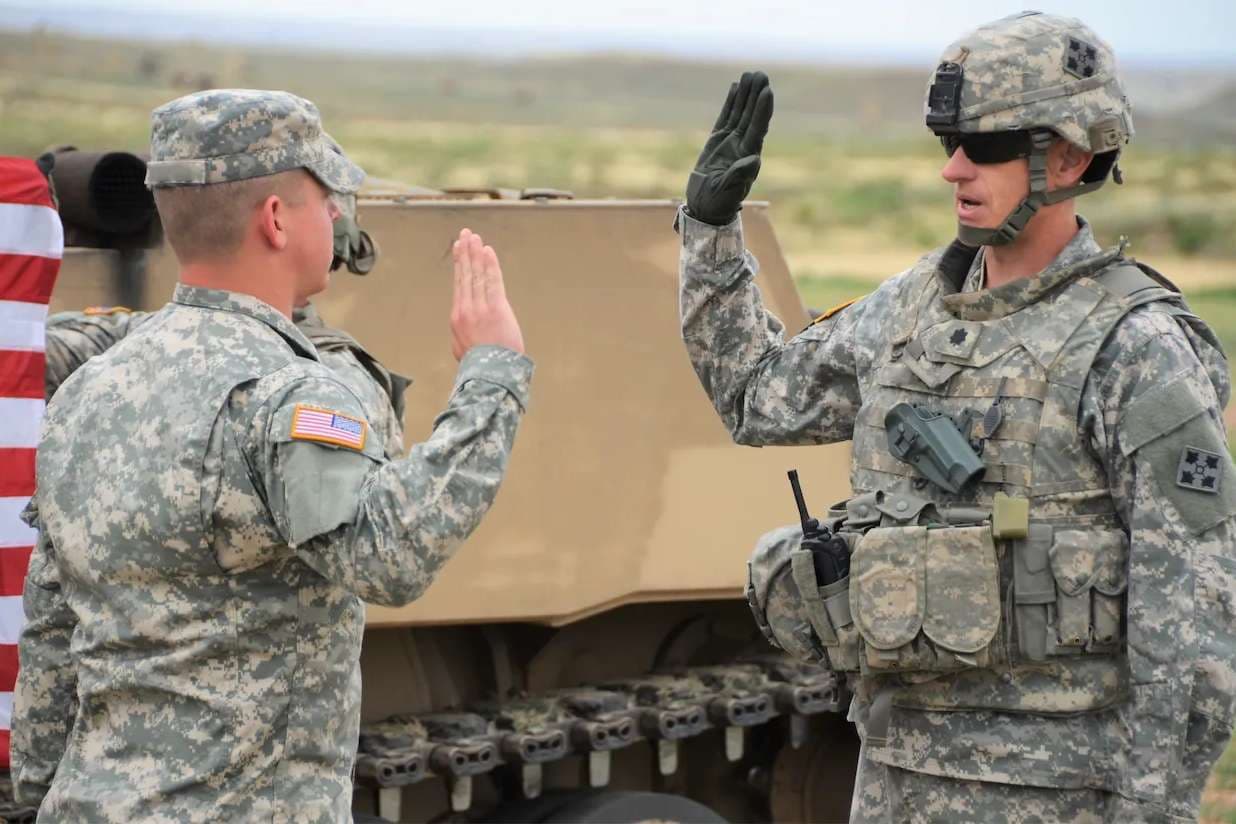
The federal agency overseeing military draft registration on March 30 submitted a proposed rule to automatically register eligible men, formally advancing the policy into regulatory review and moving it one step closer to taking effect in December, as the U.S. remains engaged in an ongoing conflict with Iran.
The proposal, now under review by the White House Office of Information and Regulatory Affairs, would implement a change included in the 2026 National Defense Authorization Act, which President Donald Trump signed into law in December 2025. If finalized, the policy is expected to take effect in December.
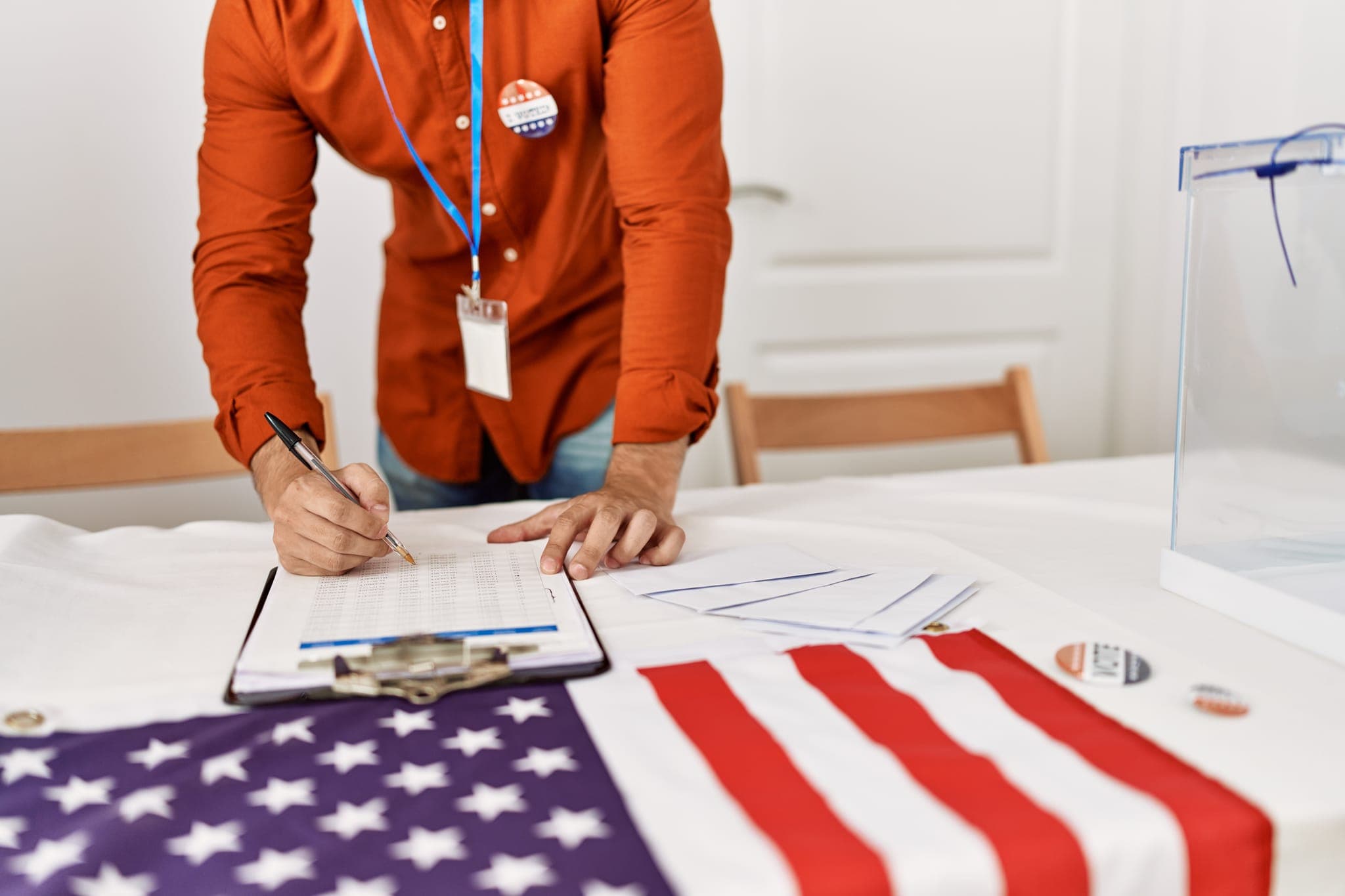
The Selective Service System (SSS) said the change would shift registration responsibility “from individual men to SSS through integration with federal data sources,” automating a process that is currently required by law.
Under existing rules, nearly all male U.S. citizens and male immigrants ages 18 to 25 must register within 30 days of turning 18 or entering the U.S. The new rule would not change who is required to register but would instead enroll eligible men automatically. Those registered would receive written notice, along with instructions on how to contest their registration if they qualify for an exemption.
Failure to register can carry significant penalties. According to the SSS, men who do not register may lose eligibility for state financial aid, federal employment, and — for immigrants — U.S. citizenship. It is also a felony punishable by up to five years in prison and a $250,000 fine.
Men who oppose war on religious or moral grounds may still seek classification as conscientious objectors if a draft is reinstated. The agency says such objections must not be based on “politics, expediency, or self-interest” and must be supported by a consistent record of conduct.
The U.S. has not held a military draft since 1973, and any reinstatement would require a separate act of Congress.
Rep. Chrissy Houlahan, a Democrat from Pennsylvania who sponsored the automatic registration provision, said the change would allow the government to redirect resources away from outreach efforts.
“This will also allow us to rededicate resources — basically that means money — towards readiness and towards mobilization,” Houlahan said, according to TIME.

.jpg&w=3840&q=75)
Comments