Rhode Island House advances sex abuse bills that could implicate Diocese of Providence
Rhode Island’s House of Representatives passed three bills this week aimed at changing the state's statute of limitations for sex abuse claims and expanding mandatory reporting requirements — legislation that, if approved by the Senate, could subject the Diocese of Providence to numerous clergy sex abuse allegations.

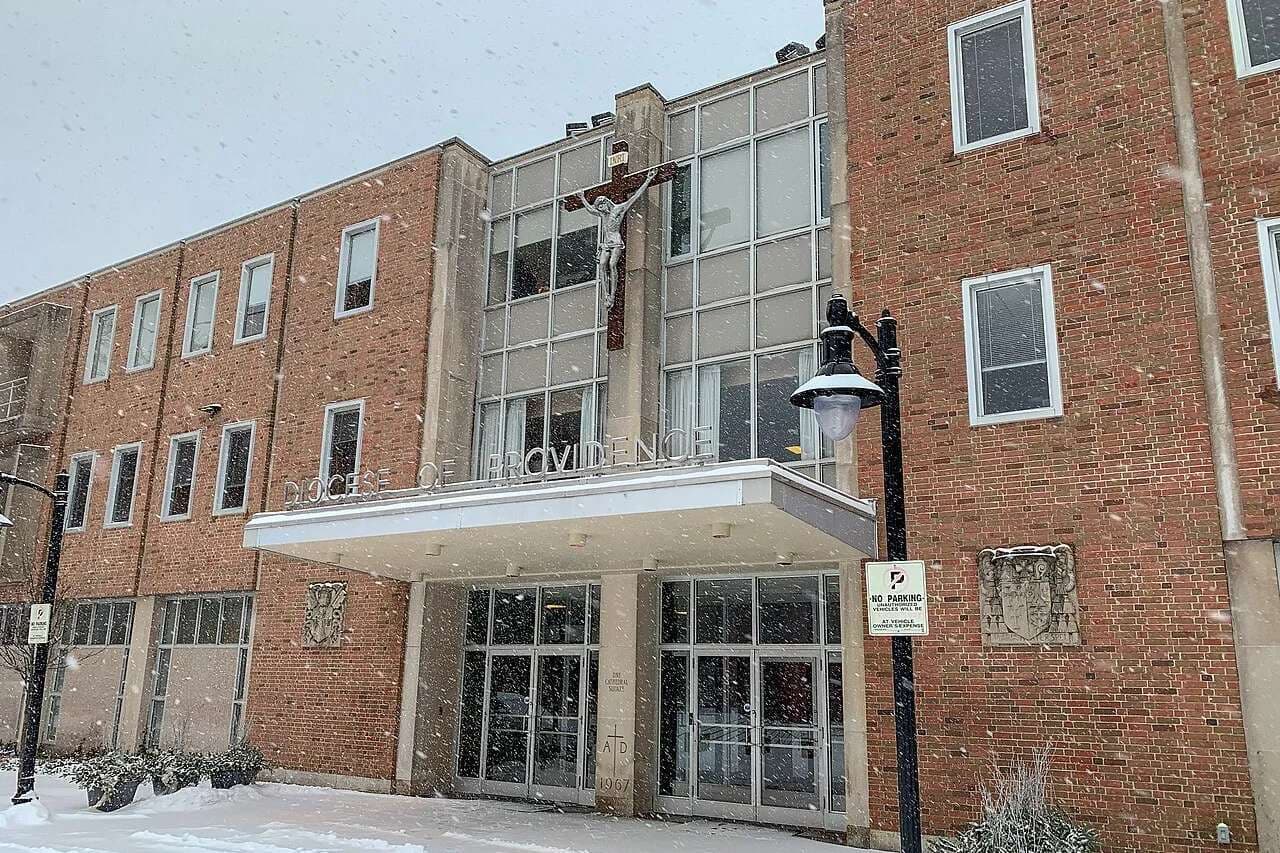
Rhode Island’s House of Representatives passed three bills this week aimed at changing the state's statute of limitations for sex abuse claims and expanding mandatory reporting requirements — legislation that, if approved by the Senate, could subject the Diocese of Providence to numerous clergy sex abuse allegations.
The bills are backed by Democrat Attorney General Peter Neronha and sponsored by Democrat Rep. Carol Hagan McEntee, whose sister is a clergy abuse survivor, according to The Rhode Island Current. While the measures cleared the House by a wide margin, they now head to the Senate, where similar legislation stalled last year.
One bill would reopen the statute of limitations for expired claims against institutions or supervisors accused of enabling or covering up abuse, allowing new claims to be filed between July 1, 2026 and June 30, 2028.
Rhode Island enacted legislation in 2019 that allowed survivors to sue individuals who abused them as children, but the new bill would allow survivors to sue institutions, such as the diocese itself.
Another bill would lengthen the statute of limitations for second-degree sexual abuse, allowing survivors to file claims up to 10 years after the incident or within 10 years of their 18th birthdays.
In a report on clergy abuse in Rhode Island, Neronha said statutes of limitations “especially matter in clergy abuse cases because they can provide an accused priest or diocese a complete defense against a claim, no matter how culpable they may have been in the abuse.”
He added that extending the statute “would ensure that all survivors in Rhode Island are afforded a meaningful opportunity to file their claims against individual and institutional defendants in court if they so choose.”
The final bill aims to expand the scope of Rhode Island’s mandatory abuse and neglect reporting requirements to include charter and parochial schools as well as camps and programs involving children.
The Diocese of Providence and the Rhode Island Catholic Conference have opposed the legislation, raising concerns that opening it up to clergy abuse claims could result in bankruptcy, as has occurred with several dioceses across the country. They have also argued that the bills would violate their constitutional right to due process.
“Statutes of limitations promote fairness and closure by preventing stale claims in which evidence is lost, memories change, and witnesses disappear,” Father Bernard Healy, chairman of the Rhode Island Catholic Conference, wrote, according to The Providence Journal.
Fr. Healy also said statutes of limitations guard against the possibility of false claims and allow defendants, such as the diocese, to “plan for the future without uncertainty inherent in potential liability.”
The Providence Journal additionally reported that the state Senate had raised similar concerns about extending the statute of limitations, questioning whether allowing suits over decades-old abuse claims would withstand constitutional scrutiny.





.jpg&w=3840&q=75)
Comments