Treasury, IRS to offer new guidance on political speech for religious organizations under Johnson Amendment
The U.S. Department of the Treasury and the Internal Revenue Service (IRS) plan to issue new guidance clarifying how the Johnson Amendment applies to religious organizations, including houses of worship.

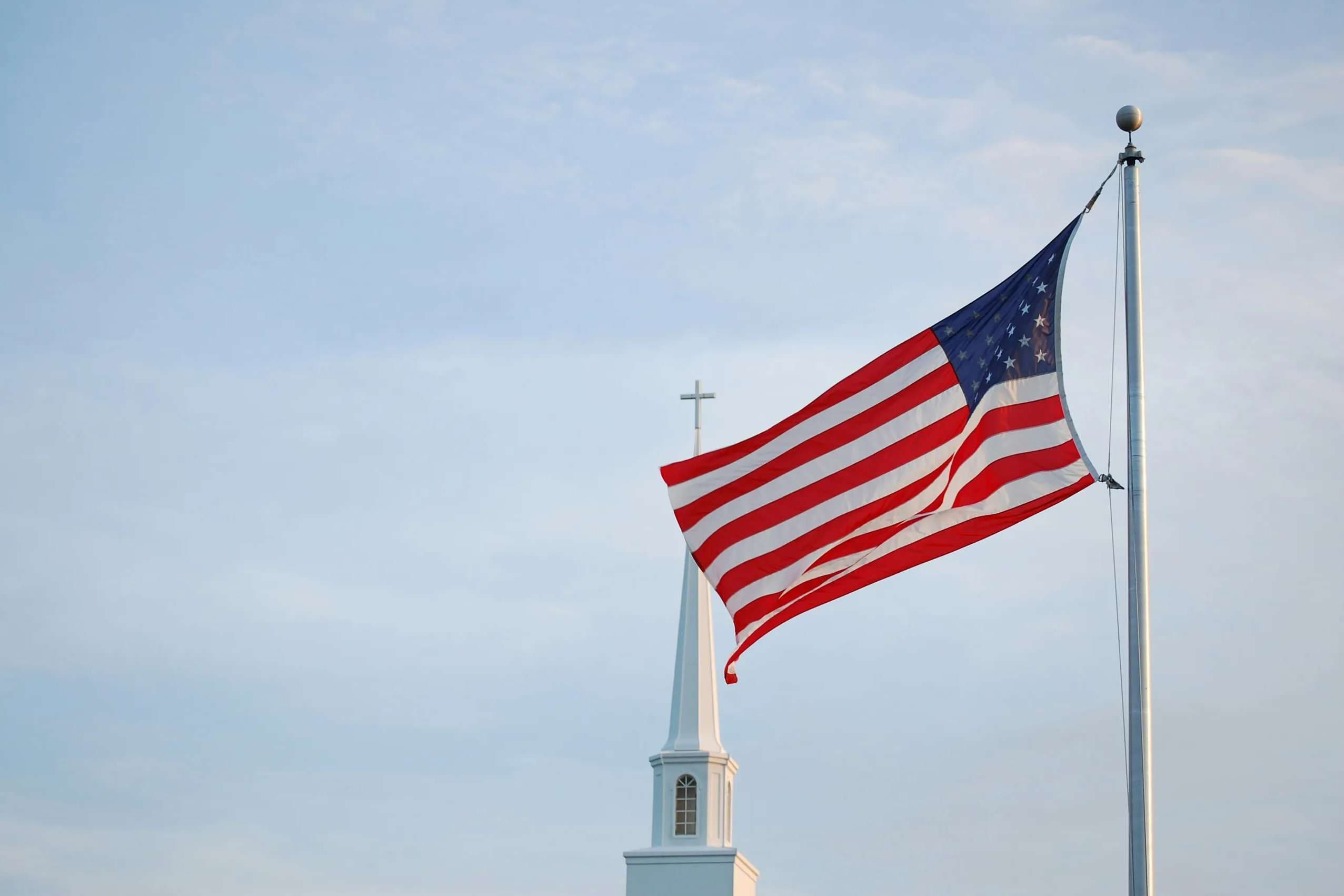
The U.S. Department of the Treasury and the Internal Revenue Service (IRS) plan to issue new guidance clarifying how the Johnson Amendment applies to religious organizations, including houses of worship.
In a press release issued April 3, the agencies said the guidance will provide “clear, administrable standards” on the Johnson Amendment — a 1954 federal law that prohibits 501(c)(3) tax-exempt organizations, including churches and houses of worship, from engaging in certain forms of political speech.
“Religious liberty is foundational to our Constitution, and the freedom to practice one’s faith openly and in community is central to the American story as we celebrate 250 years of independence as a nation this year,” Treasury Secretary Scott Bessent said in the release.
He later added, “Treasury and the IRS will provide additional clarity and guidance to houses of worship that reflect these ideals and uphold the First Amendment.”
The guidance is expected later this year, after the agencies consult with stakeholders. The move stems in part from a court case, National Religious Broadcasters v. Bessent, filed in August 2024, that argued the Johnson Amendment violated both free speech and religious liberty protections under the First Amendment.
In July 2025, the Trump administration’s IRS agreed to a proposed consent judgment in the case that would have allowed houses of worship to endorse political candidates to their congregations without losing their tax-exempt status. However, U.S. District Judge J. Campbell Barker dismissed the lawsuit on jurisdictional grounds on March 31, without approving the proposed resolution.
Shortly after the IRS announcement, the United States Conference of Catholic Bishops (USCCB) reaffirmed that the Church does not endorse or oppose political candidates. As Zeale News reported, the USCCB emphasized that the Church’s role in political discourse remains focused on moral and spiritual formation, not electoral influence.
The Johnson Amendment remains in effect, and the new guidance is expected to clarify practical boundaries for religious leaders on what constitutes permissible speech inside their own congregations.

Comments