Appeals court partially blocks Trump's ‘transgender’ military rule, keeps restrictions on new recruits
A divided federal appeals court partially ruled June 1 against the Trump administration's restrictions on “transgender” military service, claiming they likely violate constitutional protections for current service members but allowing the government to continue its policy of not accepting new “transgender” recruits as the matter moves through court.

A divided federal appeals court partially ruled June 1 against the Trump administration's restrictions on “transgender” military service, claiming they likely violate constitutional protections for current service members but allowing the government to continue its policy of not accepting new “transgender” recruits as the matter moves through court.
In a 2-1 decision, a panel of the U.S. Court of Appeals for the District of Columbia Circuit largely upheld a lower court order blocking enforcement of the policy against “transgender” troops already serving in the military. However, the court lifted the injunction as it applies to prospective recruits seeking to enlist.
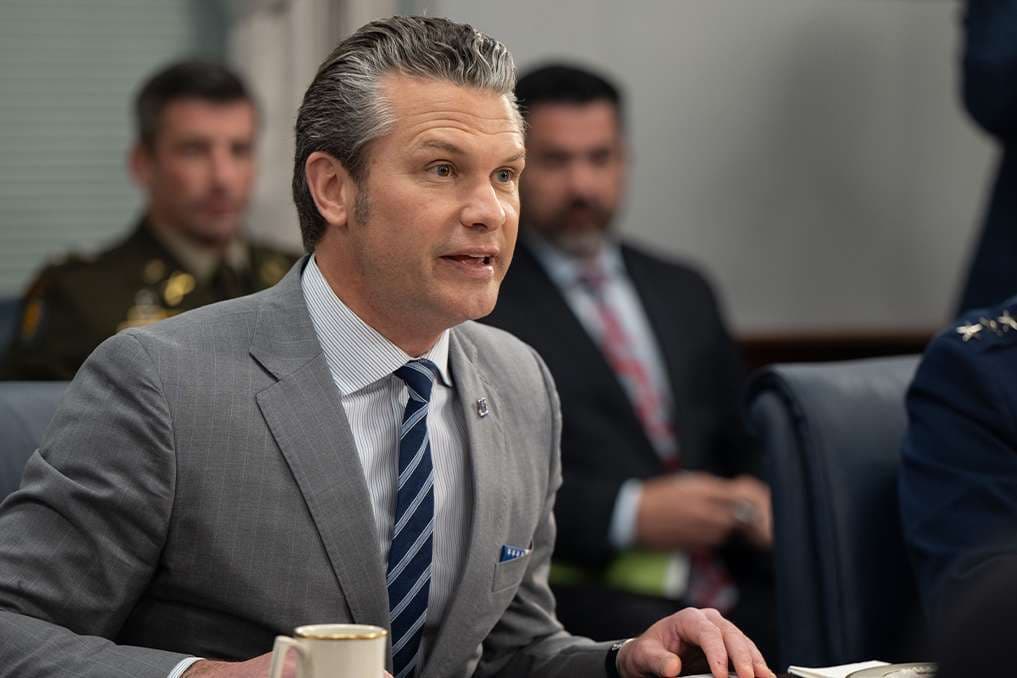
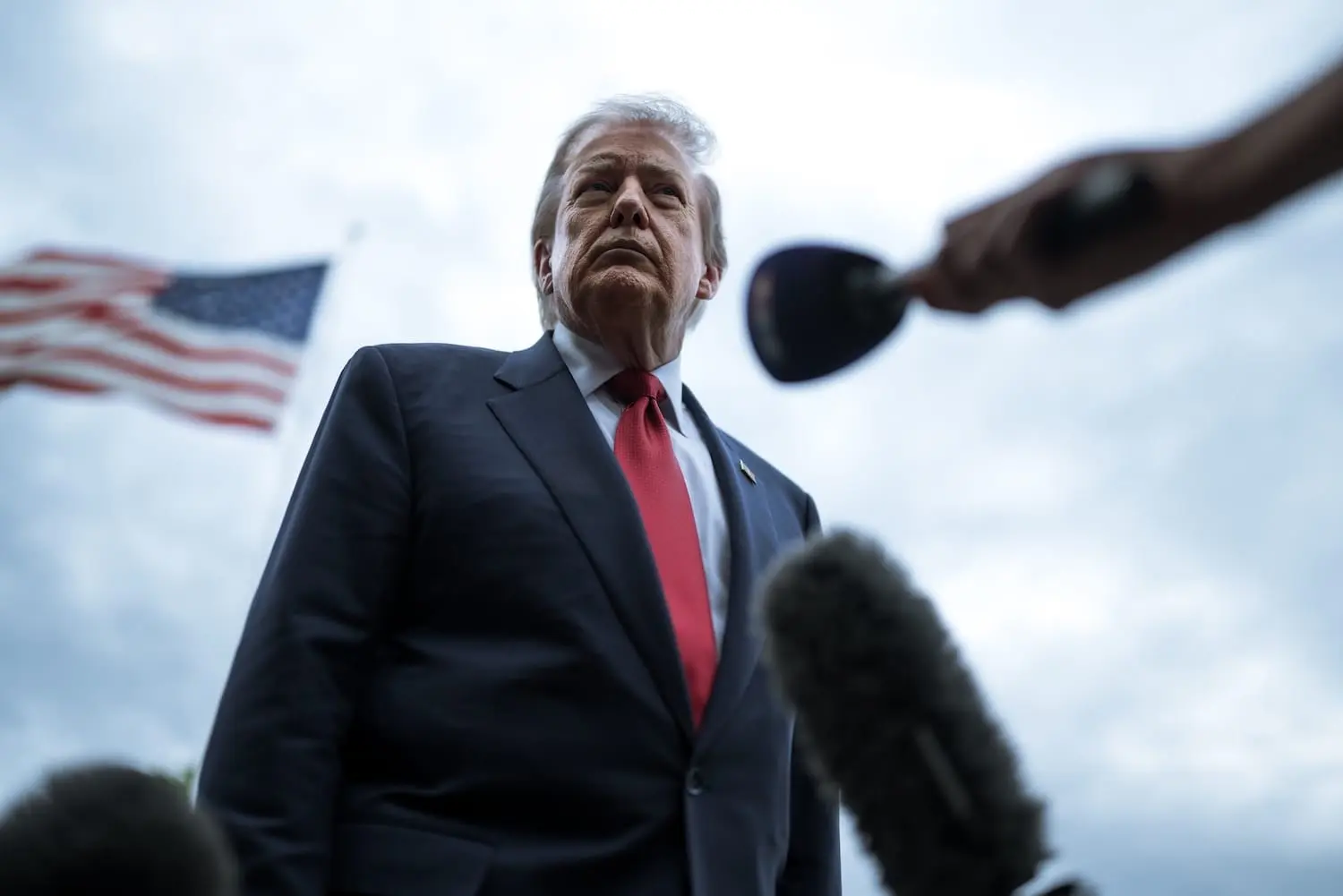
The ruling is a partial defeat of the policy adopted under President Donald Trump and implemented by Defense Secretary Pete Hegseth in early 2025.
Judge Robert Wilkins, writing for the majority and joined by Judge Judith Rogers, said challengers of the policy were likely to succeed in showing that it was motivated by hostility toward “transgender” people and lacked sufficient justification tied to military readiness.
The majority claimed that the policy appeared driven by "a bare desire to harm a politically unpopular group" and noted that it reversed prior military policies without substantial new evidence supporting the change.
The restrictions stem from Trump's January 2025 executive order directing the military to prioritize standards of readiness and effectiveness. Hegseth followed with guidance in February 2025 that generally disqualified people with a history of gender dysphoria from serving or enlisting.
The administration has said the policy is necessary to maintain military readiness, unit cohesion, and medical standards.
The lawsuit was brought by “transgender” active-duty service members and individuals seeking to enlist who argued the policy violates the Fifth Amendment's guarantee of equal protection under the law.
In March 2025, U.S. District Judge Ana Reyes issued a nationwide preliminary injunction blocking enforcement of the policy, saying it was likely unconstitutional and unsupported by evidence showing “transgender” service members harmed military effectiveness.
The appeals court agreed that current service members challenging the policy had demonstrated a likelihood of success on their constitutional claims. The court left in place protections for the named plaintiffs.
But the panel concluded different considerations apply to prospective recruits, allowing the administration to continue its policy against accepting “transgender” applicants while litigation proceeds.
Judge Justin Walker dissented in part, arguing that courts should give greater deference to military and executive branch decisions regarding force composition and readiness.
The ruling follows a May 6, 2025, Supreme Court order allowing the policy to take effect temporarily while legal challenges continued.
The case, Talbott v. United States, is expected to face further review. The Justice Department could ask the full D.C. Circuit to reconsider the decision or appeal directly to the Supreme Court.
Hegseth replied to an X post about the ruling, indicating that the administration intends to bring the case to the Supreme Court.
Trump's 2025 order reversed Biden administration policies that had allowed “transgender” Americans to serve in the military, subject to certain medical requirements.


Comments