Arizona lawmaker vows to block bills requiring clergy to break seal of Confession
Republican state Rep. Quang Nguyen, a Catholic, said he would not support violating the sacramental seal, as a Democratic colleague pushed for an exception requiring clergy to report abuse disclosed in the confessional.

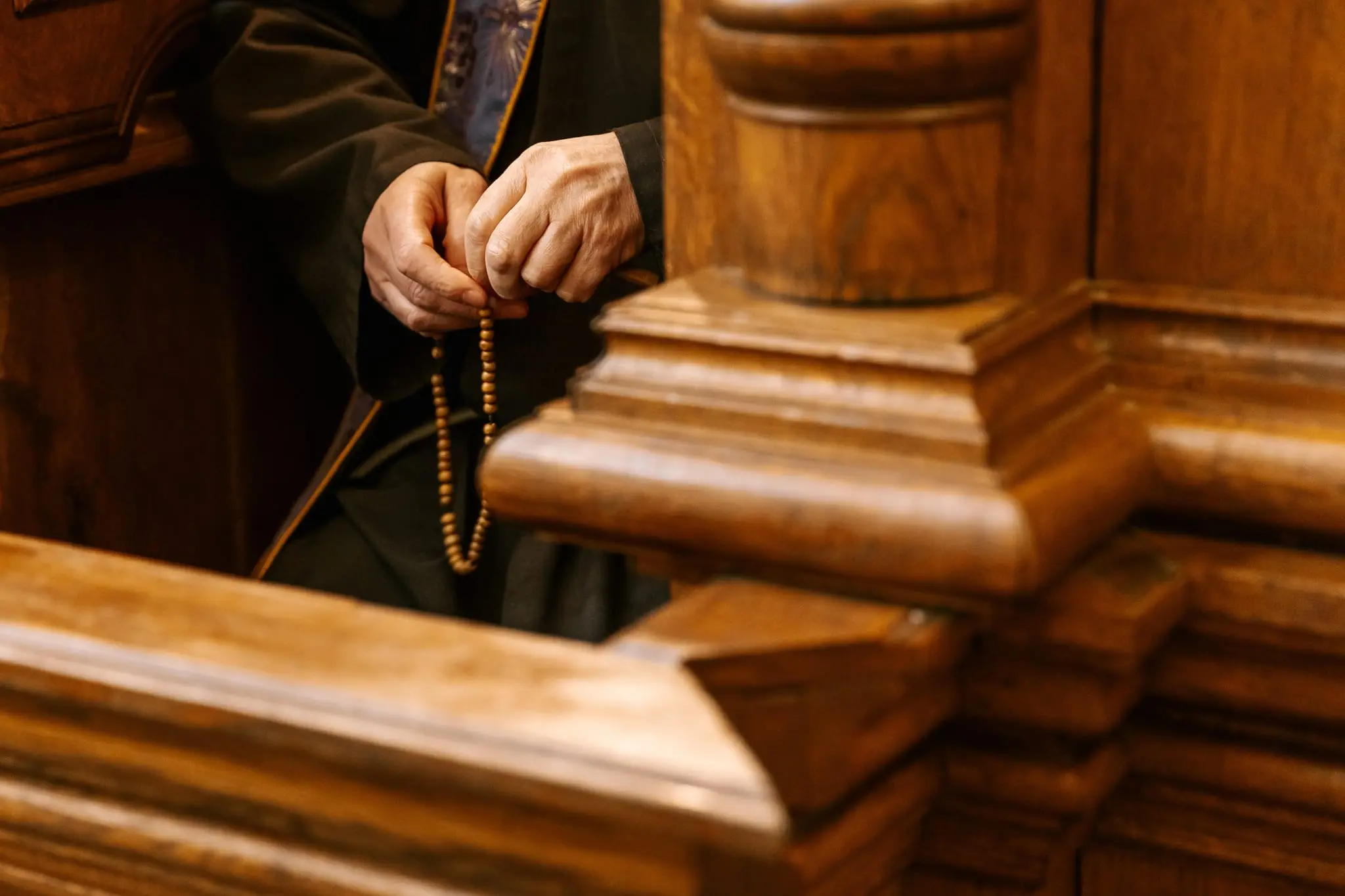
An Arizona Catholic lawmaker vowed to continue blocking legislation that would attempt to force Catholic clergy to break the seal of Confession by requiring them to report child abuse disclosed during confession or face felony charges, days after the state Supreme Court upheld protections for confidential religious communications.
Rep. Quang Nguyen, a Republican and chairman of the state’s House Judiciary Committee, said that he will continue to block any efforts to narrow Arizona’s protections for confidential religious communications, according to an Aug. 3 Capitol Media Services report. Arizona law already requires clergy to report suspected child abuse learned outside a confessional or confidential communication, he noted. Information obtained through confession remains protected, and Nguyen said he will not support requiring its disclosure.
>> Proposed Arizona legislation threatens seal of Confession <<
“As a Catholic, confession is one of the very important sacraments of the Church,” Nguyen said, according to the outlet. “I will not break that sacrament. I will not be the guy to do that.”
The canonical penalty on a priest who violates the seal of Confession, which has been a component of the sacrament for centuries, is excommunication.
Nguyen has repeatedly declined to hold hearings on bills sponsored by Rep. Stacey Travers, D-Phoenix, that would require clergy to report when they suspect that abuse disclosed in Confession is ongoing or likely to continue.
Travers plans to reintroduce the measure when the legislature reconvenes in January, Capitol Media Services reported. She said her proposal would preserve confidentiality in most cases while addressing situations in which a person confesses ongoing abuse with the assurance that clergy will not report it.
The Arizona Supreme Court ruled unanimously July 30 that courts may not independently evaluate how clergy members apply religious doctrine when deciding whether confidential communications must remain private from authorities.
The court ruled in favor of The Church of Jesus Christ of Latter-day Saints in a case involving Bisbee resident Paul Adams and the church’s teaching that establishes bishops “must counsel individual members, assist their efforts to repent, and act as a member’s confessor.”
According to court records, Adams told church bishops in 2011 “during counseling sessions and disciplinary proceedings that are explicitly provided for under the Church’s doctrine” that he was sexually abusing his 7-year-old daughter. Latter-day Saint church leaders discussed the abuse during disciplinary proceedings but did not report it to authorities, maintaining that Adams’ disclosures were confidential communications received in their role as clergy members.
Adams continued the abuse for years, later also abusing an infant sister and posting videos online, according to court documents. Authorities arrested him in 2017 after Interpol alerted the U.S. Department of Homeland Security to videos discovered by police in New Zealand. Adams later died by suicide in jail while awaiting trial.
Nguyen said Travers would need to wait until after 2029, when he leaves office, before her proposal would have a realistic chance of receiving a hearing, Capitol Media Services reported. Travers said that if Democrats gain control of the House in the state’s November election, committee leadership would change when the new legislature convenes in January 2027, potentially allowing lawmakers to consider her bill sooner.
The latest state Supreme Court ruling cited First Amendment protections for religious institutions’ independence in matters of faith and doctrine, quoting U.S. Supreme Court precedent that grants them “an independence from secular control or manipulation.”
Justice John Lopez wrote for the court, “Put simply, the Religion Clauses give religious institutions the power to decide for themselves, free from state interference, matters of church government as well as those of faith and doctrine.”



Comments