Balogun faces Belgians in World Cup after Trump makes phone call
The U.S. men’s team played what would be its final match in the 2026 World Cup July 6.

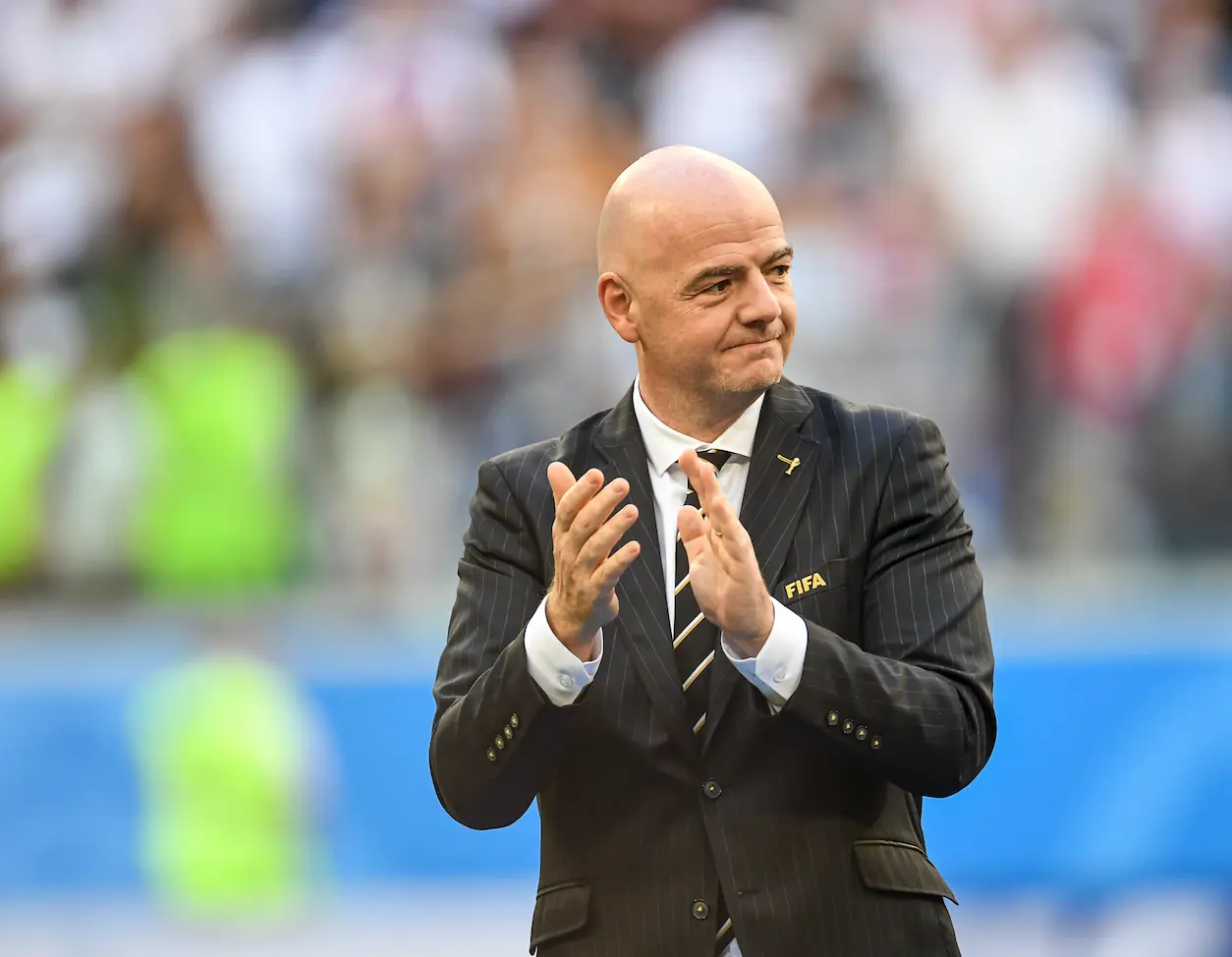
FIFA on July 6 dismissed an appeal by the Belgian soccer federation over U.S. striker Folarin Balogun's suspended red-card ban, clearing him to play against Belgium in the World Cup round of 16 at Lumen Field in Seattle July 6 — a development that came after President Donald Trump personally called FIFA President Gianni Infantino about the matter.
USA loses to Belgium 4-1
The U.S. men’s soccer team was eliminated from the World Cup after their 4-1 loss to Belgium on July 6.
Balogun, the U.S. team's leading scorer, started the match after FIFA suspended his automatic one-game ban for a controversial red card, placing it on probation for one year.
FIFA’s decision to suspend the ban drew widespread controversy and an appeal from Belgium, amid reports of external influence including a call from President Trump to FIFA leadership.
The Athletic reported that Trump called Infantino after the Bosnia match to ask that Balogun's suspension be reviewed. A source familiar with the matter confirmed the call to the outlet, and The New York Times also reported Trump's outreach.
Trump said he asked FIFA to reconsider the red card because he did not believe Balogun had committed a foul.
"All I did was ask for a review because I didn't think it was a foul," Trump said. "I didn't think it was a foul. I thought it was two great athletes that crashed into each other and got entangled."
Trump also praised FIFA's decision to suspend the ban.
"I think they made a really brilliant decision," he said. "I think the referee's call was horrible and nobody talks about that. They talk about the red card like it's fine, nobody talks about the referee's decision to red card."
After FIFA announced the suspension of the ban, Trump wrote on Truth Social: "Thank you to FIFA for doing what was right, and reversing a great injustice!"
Infantino responds
Infantino said in a statement posted by FIFA's media account on X that he had "seen the public comments" about the decision and emphasized that FIFA's judicial bodies are independent.
He confirmed receiving a call from Trump.
"Yes, I regularly discuss matters related to the FIFA World Cup with the President of the United States, and on this matter, I did receive a call from President Donald Trump, just as I receive calls from heads of state, government officials, football stakeholders and business executives from around the world on many different issues," Infantino said.
He said he told Trump there was "an ongoing legal process involving FIFA's independent judicial bodies" and that the case would be decided "in due course by the competent bodies."
Infantino said he does not always agree with disciplinary rulings but respects the independence of the process.
"Sometimes I am surprised by them. Sometimes I agree with them, and sometimes I disagree," he said. "What I always do, however, is respect those decisions and the autonomy of the bodies that make them."
Appeal dismissed
Balogun, 25, was shown a red card during the first half of the United States' 2-0 victory over Bosnia and Herzegovina July 1 after referee Raphael Claus reviewed a challenge involving Bosnia defender Tarik Muharemović on a pitchside video monitor and changed his original decision. A red card normally results in an automatic one-game suspension at the World Cup, and teams cannot appeal those suspensions to an independent panel.
On July 5 it was announced that FIFA later suspended Balogun's one-game ban for a one-year probationary period under Article 27 of its disciplinary code. The move, first reported by The Athletic, prompted objections from Belgium and questions about the tournament's disciplinary process.
The Royal Belgian Football Association challenged the decision, saying it had "no alternative but to challenge (Balogun's) eligibility for the upcoming match." FIFA's appeals committee rejected the request as "inadmissible," saying Belgium was not a party to the disciplinary case and therefore had no legal standing to appeal.
The Belgian federation said it had not received the reasons for FIFA's decision, the referee's report, or other documents it had requested, calling the lack of disclosure "a breach of FIFA regulations." It said it had informed U.S. Soccer that it disputes Balogun's eligibility if he is included in the lineup, adding: "This leaves all further actions open."
Belgium's coach objects
Belgium coach Rudi Garcia criticized the decision during a July 5 news conference.
"The Belgian federation isn't just defending itself or the national team; it's defending football in general — its integrity and its ethics," Garcia said. "As far as I recall, I think this is the first time in World Cup history that a decision like this has been made."
He added that his focus remained on "my team and the match."
Rubio weighs in
Secretary of State Marco Rubio also supported FIFA allowing the U.S. player to participate in the July 6 game, calling it "the right decision."
"It was the right decision to reverse" the red card, Rubio said, arguing there would be criticism over the result if Belgium were to play a U.S. team without its leading scorer.
"If you're Belgium, why would you want to play a game and win a match, and then everyone will argue you didn't really win it because their best player ... was not there during the match," Rubio said.
He also called the original red card "a bad decision" that should not have been overturned after video review.
Balogun's tournament, Pochettino's defense
Balogun has started all but one match for the U.S. during the tournament. He scored twice in the Americans' opening group-stage victory over Paraguay, sat out the team's final group match against Turkey after the U.S. had already advanced, then returned to score against Bosnia before being sent off.
U.S. coach Mauricio Pochettino defended FIFA's decision, arguing the red card should never have been issued and that the U.S. had already paid the price by playing much of the Bosnia match with 10 players.
"If anyone was harmed in this whole situation, it was the United States," Pochettino said. "Can anyone justify the idea that we weren't punished? I mean, playing 30 or 35 minutes a man down in a World Cup knockout match?"
.jpg&w=3840&q=75)

Comments