Louisville archdiocese weighs closing historic parish amid priest shortage, shifting demographics
A number of parishioners hope the archdiocese will reconsider its consideration to close the parish, which is in a growing part of the city called NuLu. The archbishop has emphasized that closures, though painful, are under consideration as local priests carry the strenuous responsibility of caring for multiple churches.

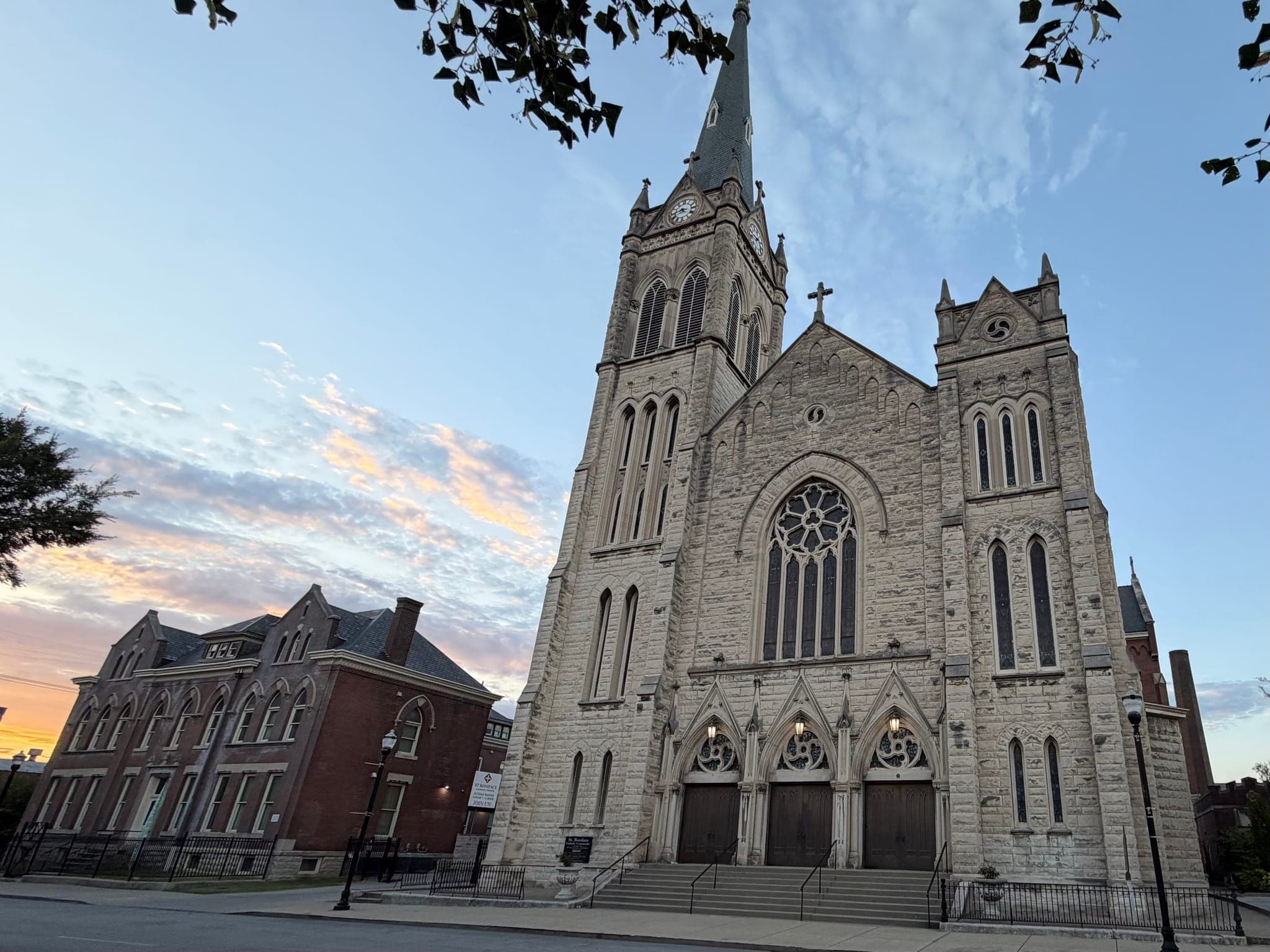
A Catholic church established in 1836 in Louisville, Kentucky, is one of several parishes considered for closure as the archdiocese works to restructure in the face of a priest shortage and limited resources. Parish leaders who don’t want to see it close have reached out to the archdiocese with a unique possible path forward that doesn’t require another full-time priest, according to an Aug. 14 report from local outlet WDRB.
St. Boniface Catholic Church, originally built to support the German community in Louisville, has a pipe organ, reliquary, and stained glass windows that all offer a look into the Catholic history of the city. Beyond the history, however, parishioners who want the church to stay open highlighted to WDRB that its location in “NuLu” is significant.
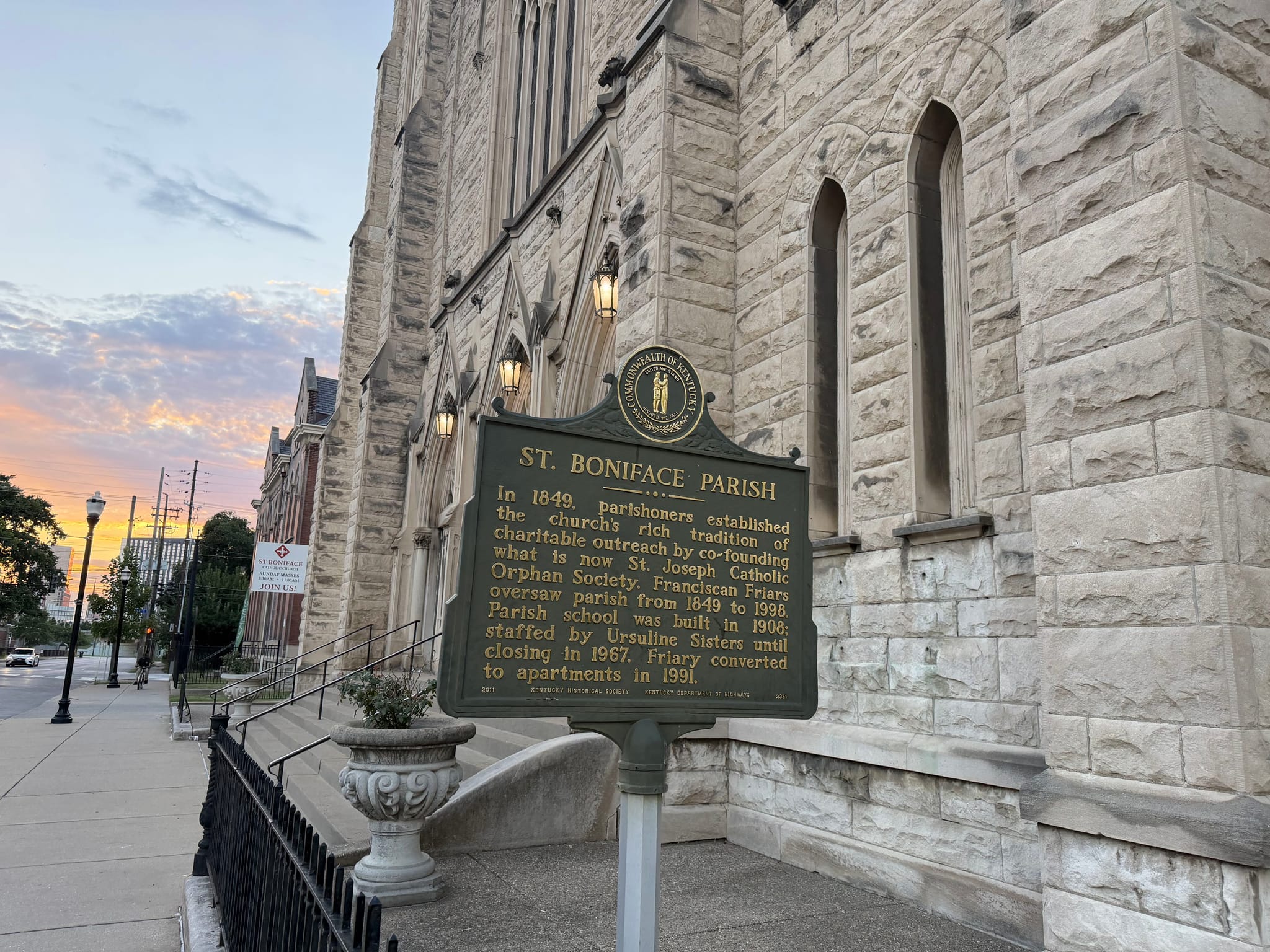
This part of town continues to be built up with apartments, hotels, and businesses, which could signal an influx of Catholic residents in the area in the next few years.
Parish councilmember Fred Williams told the outlet that a number of pedestrians have been walking to St. Boniface for Mass for the past three weeks. At a typical Sunday Mass, about 50 to 100 people attend, according to Williams. The outlet reported that currently there are about 350 registered parishioners.
The archdiocese began looking into a restructuring process for its parishes after priests expressed concerns to Archbishop Fabre about a shrinking number of clergy and the strain of trying to cover all of the weekend Masses and other responsibilities. About 40% of the priests serve at more than one church.
The archdiocese unveiled a draft parish plan earlier in 2026, proposing that 10 churches, including St. Boniface, be closed, and that others merge.
Parish leaders at St. Boniface sent a letter in July to Louisville Archbishop Shelton Fabre offering a potential path forward that doesn’t involve closing the historic church’s doors: appoint a permanent deacon as parish administrator, while a priest serves as a Presbyteral Moderator, and retired priests hear Confessions and celebrate Sunday Mass.
"We think it’s a model that would work," Williams told WBRD. "Is it ideal? No, but it would allow us to stay open, to stay open as a parish, and to be here and to serve this community while it’s growing up all around us."
According to the outlet, St. Boniface also highlighted in its letter that it is debt-free and has financial stability through its balanced budget.
The archdiocese did not respond to the letter, but told WDRB in a statement that it is considering the proposal. The plan is expected to be finalized this fall.
Archbishop Fabre has emphasized the difficulty of the decision to close several churches, acknowledging in a May statement that parishes have a significant role in people's lives, memories, and milestones.
"Many people know the pain of letting go of a family home after the death of parents or loved ones. Such places hold memories, identity, and love. Parish churches often carry those same deep connections. Because of this, I am not asking anyone to deny grief. Indeed, something significant that marked a part of our lives may be changing or even lost, and that grief is real," he said. "At the same time, our faith reminds us that grief is never the final word for those who place their trust in Jesus Christ. Our hope is not rooted in optimism or in pretending that loss does not hurt. Our hope is rooted in the risen Lord, who remains faithful to His Church even in moments of uncertainty, transition, and sorrow."
He emphasized that Christ's accompaniment and peace is with those who are saddened.
"My dear friends in Christ, while I do not ask that grief be denied, I wholeheartedly ask that grief be placed within the deeper reality of Christ’s promises of resurrection," he said. "These promises speak not only of the final victory over death, but also of a living hope that sustains Christians in the painful moments of the present. We grieve, but we grieve as people who believe that Christ continues to walk with His people."
He encouraged bringing the sadness to prayer, especially through Mass, and noted that the discernment in next steps and final decisions is a collaborative process with the faithful of the archdiocese.
"When those decisions are made, it is appropriate that we mourn what has been lost," he said. "Yet we must not surrender to despair, because resurrection hope is not only a future promise, but a present reality. Even amid uncertainty and upheaval, we hold firmly to this truth: Jesus Christ remains with His Church. He continues to guide us, sustain us, and lead us forward in hope."


.jpg&w=3840&q=75)

Comments