Border Czar Tom Homan announces Minnesota ICE operation is ending
White House Border Czar Tom Homan announced Feb. 12 that the Trump administration will conclude its immigration enforcement operation in Minnesota with federal officers beginning a drawdown over the next week.

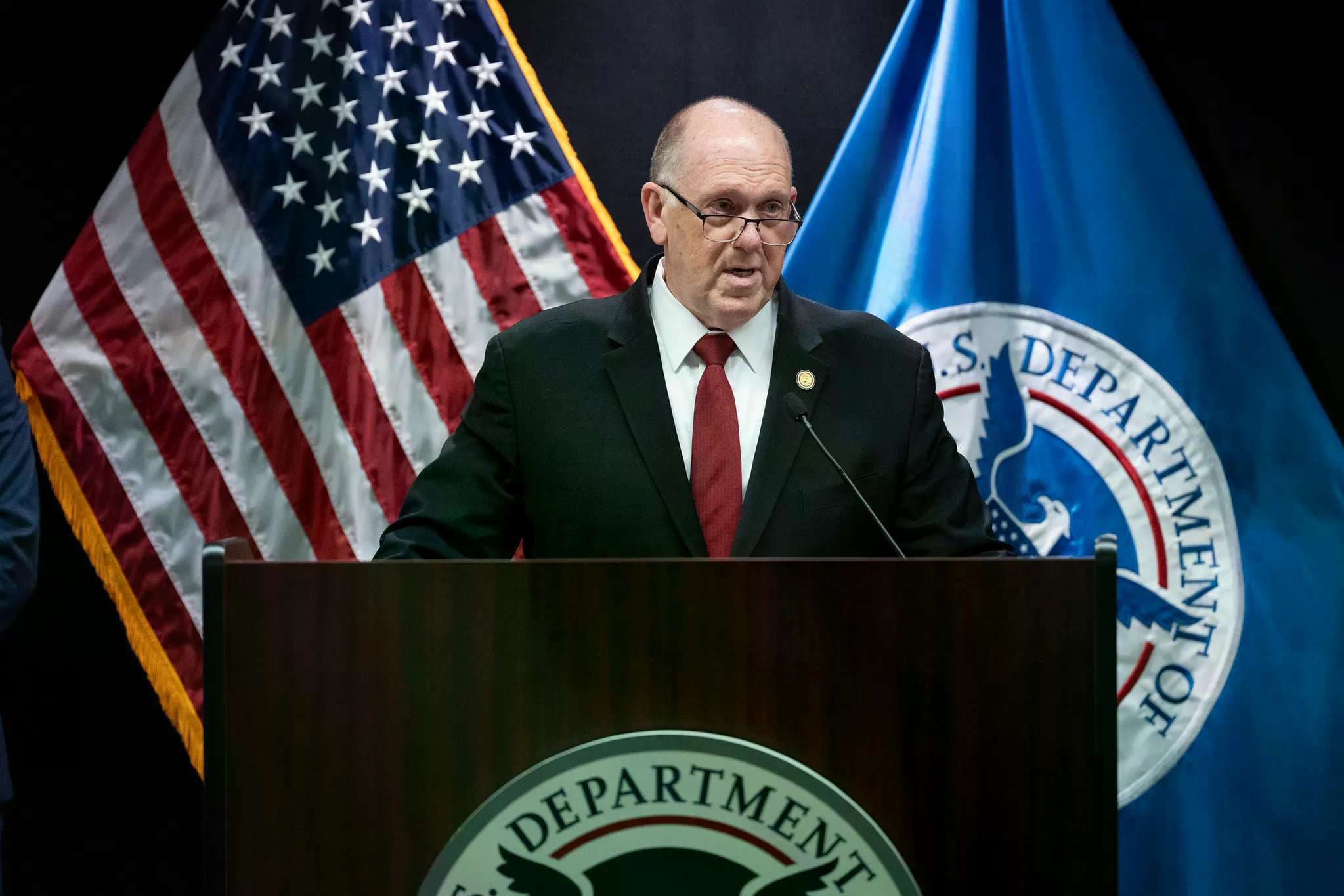
White House Border Czar Tom Homan announced Feb. 12 that the Trump administration will conclude its immigration enforcement operation in Minnesota with federal officers beginning a drawdown over the next week.
Speaking at a news conference at the Bishop Henry Whipple Federal Building in Minneapolis, Homan said he recommended ending “Operation Metro Surge” to President Donald Trump, who approved the decision. Homan cited two reasons for the move: the large number of arrests of individuals they identified as public safety threats and a sharp drop in incidents that required federal officers to deploy quick-response teams against “agitators.”
“That is a good thing. That is a win for everybody, not just for the safety of law enforcement officers. It's a win for this community,” he said, later adding that Minnesota is now “less of a sanctuary state for criminals.”
The operation resulted in more than 4,000 arrests, according to Homan.
He also said Immigration and Customs Enforcement (ICE) in Minnesota located 3,364 unaccompanied migrant children, whom he said the previous administration had “lost” and not been properly tracked.
>> Analysis: Why RFK said 'HHS became a collaborator' in child sex trafficking <<
“We have a lot of work to do across this country to remove public safety risk, who shouldn't even be in this country,” he added. “And to deliver on President Trump's promise for strong border security and mass deportation, law enforcement officers drawn down from this surge operation will either return to the duty station or be assigned elsewhere to achieve just that.”
The operation deployed thousands of ICE and Border Patrol officers to the Twin Cities area beginning in December 2025. It drew national attention, political backlash, and widespread protests after federal agents fatally shot two U.S. citizens in separate incidents during enforcement operations last month.
Homan arrived in Minnesota in late January and immediately announced a shift in enforcement tactics. He directed federal agents to prioritize jail-based arrests over street operations and said the approach hinged on greater cooperation from local officials, whom he suggested had earlier resisted efforts to work with federal authorities. On Feb. 4, Homan also announced a drawdown of roughly 700 federal officers.
Homan said Feb. 12 that a “small footprint of personnel” will remain in the state temporarily, and he will also remain on the ground to oversee the operation’s drawdown and success.
“Additionally, federal government personnel assigned to conduct criminal investigations into the agitators, as well as the personnel assigned here for the fraud investigations, will remain in place until the work is done,” he added.
Minnesota Gov. Tim Walz, a Democrat, addressed the announcement later on Feb. 12 and said he was “cautiously optimistic” about the drawdown, attributing the move to Homan’s coordination with state and local officials.
“Over the past six weeks, the state of Minnesota and the people of his great state have endured an unprecedented federal invasion in all aspects of life,” Walz said. “Through that entire time, the dignity, the compassion, the love, the care, and the absolute determination to do what was right never wavered among Minnesotans.”
In a statement on X, Minneapolis Mayor Jacob Frey, also a Democrat, called the operation “catastrophic” and said “it’s time for a great comeback.”


Comments