Cardinal Pizzaballa says West Bank is ‘a lawless land,’ urges diplomacy as only peaceful way to resolve the conflict
The Latin Patriarch of Jerusalem also commented on the situation in Gaza and the role hope has in going forward.

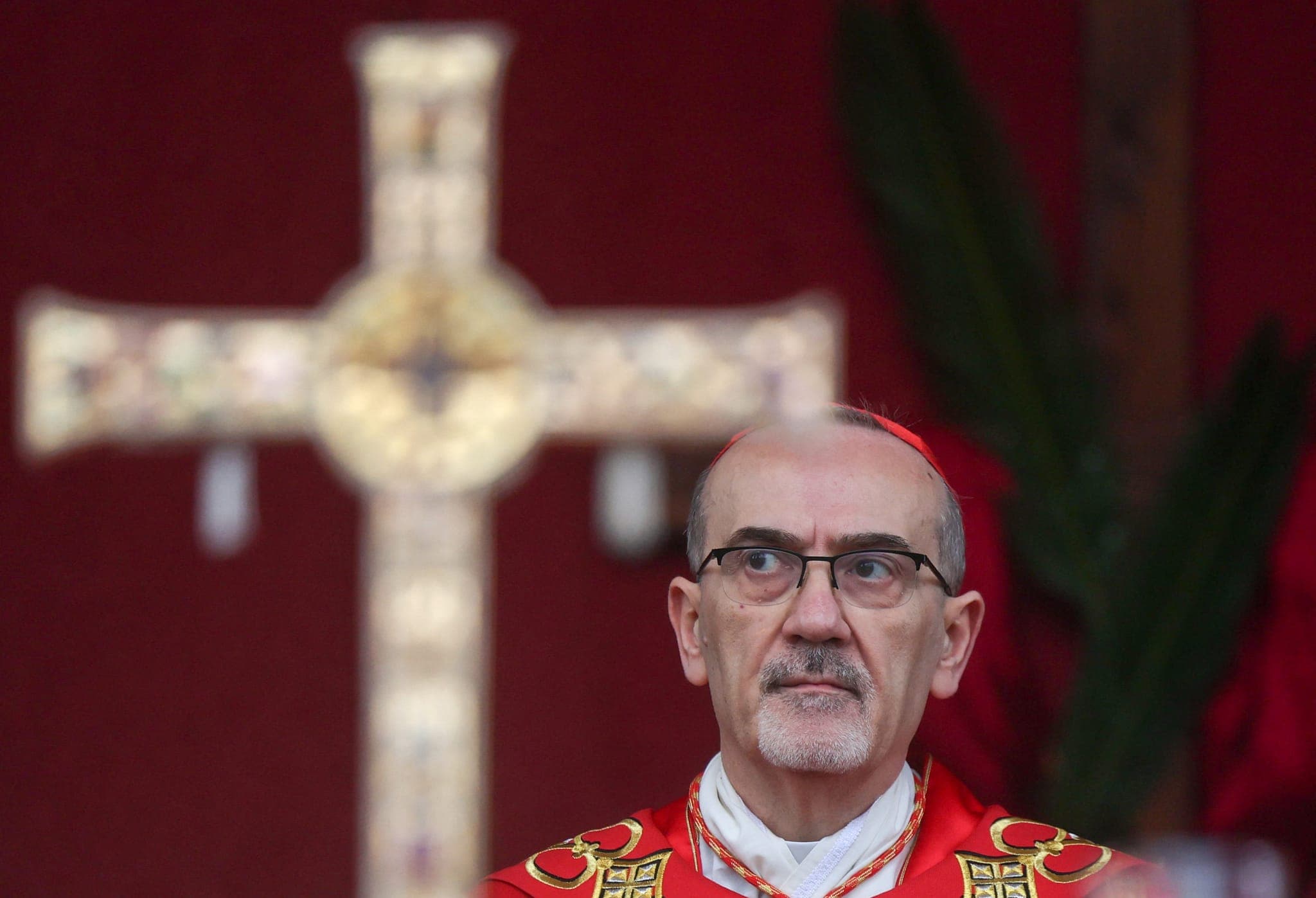
Cardinal Pierbattista Pizzaballa, Latin Patriarch of Jerusalem, said Aug. 26 that the West Bank has become “a lawless land” and that tensions between settlers and Palestinians are escalating, according to Vatican News.
Speaking at the Italy-based Meeting for Friendship Among Peoples, Cardinal Pizzaballa said that the situation in the West Bank is continuing “without any effective security or legal restraints,” the outlet reported.
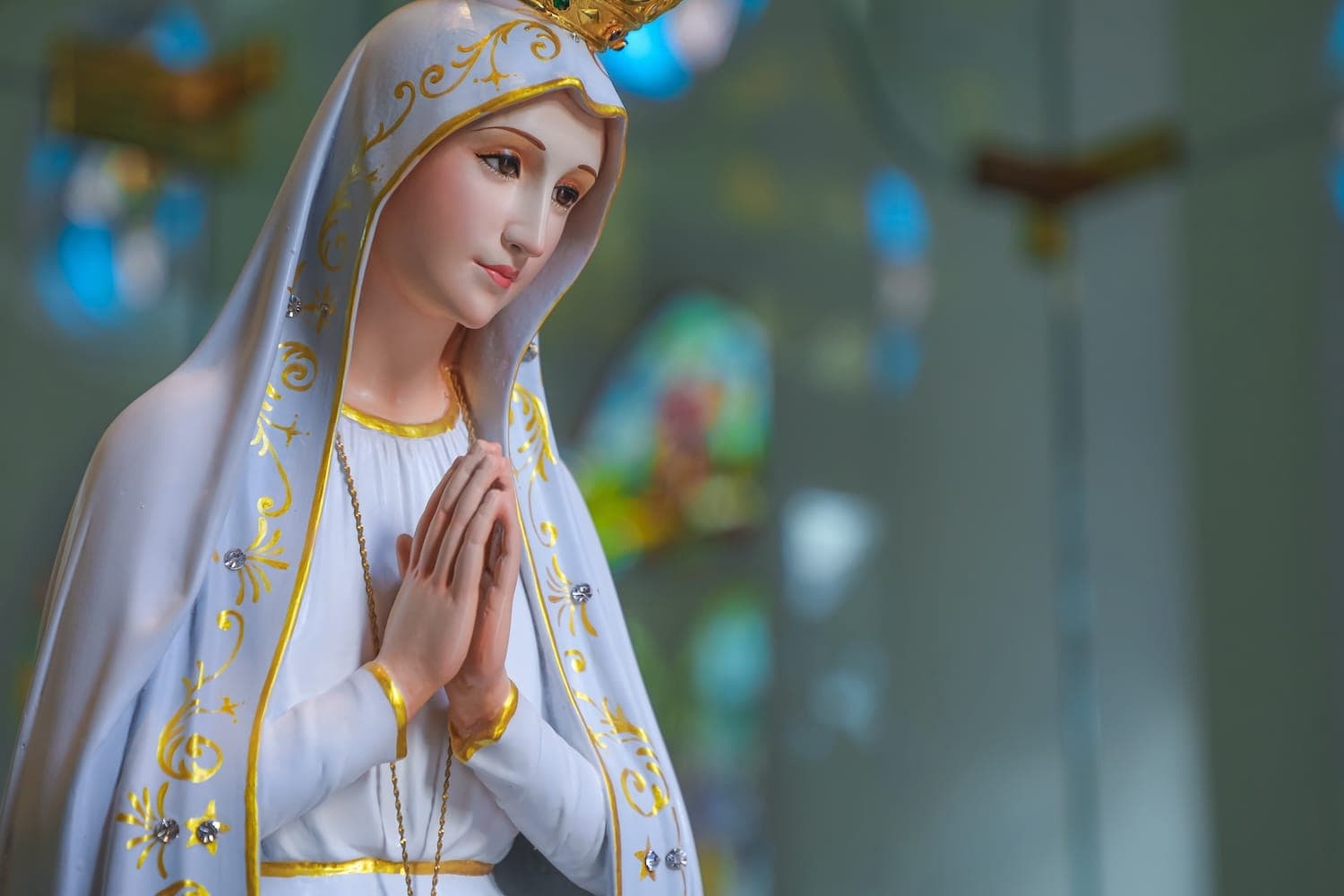
The cardinal’s comments come after he recently visited the West Bank-based village of Taybeh earlier in the month, when he celebrated Mass there for the Feast of the Assumption of the Blessed Virgin Mary. Zeale News has previously reported on Cardinal Pizzaballa’s accounts of settler attacks in the Christian village.
In his Aug. 26 remarks in Rimini, Italy, the cardinal also spoke definitively about Israeli settlers.
“The fact that there is a situation of continuous aggression by settlers is well established,” he said, according to Vatican News.
Cardinal Pizzaballa also commented on diplomacy as key to improving the situation, saying that despite “all its weakness,” diplomacy is “the only way to try to resolve the conflict while avoiding the use of weapons, violence and military force.”
“The West must help raise its gaze somewhat, create perspectives, and also help calm this continuing downward spiral through ever greater diplomatic efforts,” he said.
He also spoke about the circumstances in Gaza, saying the situation there “has deteriorated enormously” and that it is “very devastated from a human point of view.” The cardinal also noted that as Pope Leo XIV has reaffirmed, the two-state solution “is the only way to recognize the right of Israelis and Palestinians to have a home in their own land.”
Regarding a papal visit, Cardinal Pizzaballa said it is only a matter of time until Pope Leo visits the Holy Land and indicated that effort should be made to cultivate the right conditions for the visit.
“We will work on this together with the Holy Father,” he said, “but I believe we should not rush, and we should also avoid spectacular gestures that simply remain isolated events.”
Later in the day of the meeting, Cardinal Pizzaballa took questions from young people, including one who asked how one can confront suffering amid a situation like that of the Middle East.
Cardinal Pizzaballa said one must look to the Cross, which is “the place where Jesus humanly fails, but which for us is the source of salvation” and where the Resurrection originates. He also emphasized that when one feels helpless he or she should turn to prayer, which can support many people spiritually even when one cannot help them in person.
Cultivating hope, he added, is difficult, but important. He noted that this virtue “is not a solution to the problems,” adding that “We must be realistic because the situation has deteriorated.”
He explained that hope is not waiting for something exterior but is something “born within the heart; it is the child of faith; it is the awareness that we are not alone,” he said. “In faith, it is the presence of an encounter with Christ in the people, in the faces, in the associations and communities that put themselves on the line to do something together.”
The cardinal also commented on how to navigate polarization and false news, saying he thinks it is important to “listen to multiple voices.”
If the language is aggressive and dehumanizing, it should not be followed, according to the cardinal.
“This is a task that must be undertaken continually in the Middle East,” he said, where “nothing is as it appears and everything is very complicated.”
Cardinal Pizzaballa also answered a question about interreligious dialogue, stressing the importance of such conversation at a local level, according to Vatican News. He noted that until this point, elites were typically who engaged in dialogue between Jews, Christians, and Muslims.
“After the Gaza war, we cannot return to the way things were before; there have been so many wounds and misunderstandings,” he said.
As such, the cardinal said it’s important to cultivate local dialogue because “that is where something beautiful and different is born and created.”

Comments