Christian leaders welcome new party leadership in Bangladesh
Christian leaders in Bangladesh welcomed the victory of the Bangladesh Nationalist Party (BNP) in the Feb. 12 parliamentary elections, expressing cautious hope that the new government will restore stability after months of unrest and attacks on minority communities in the Muslim-majority nation.

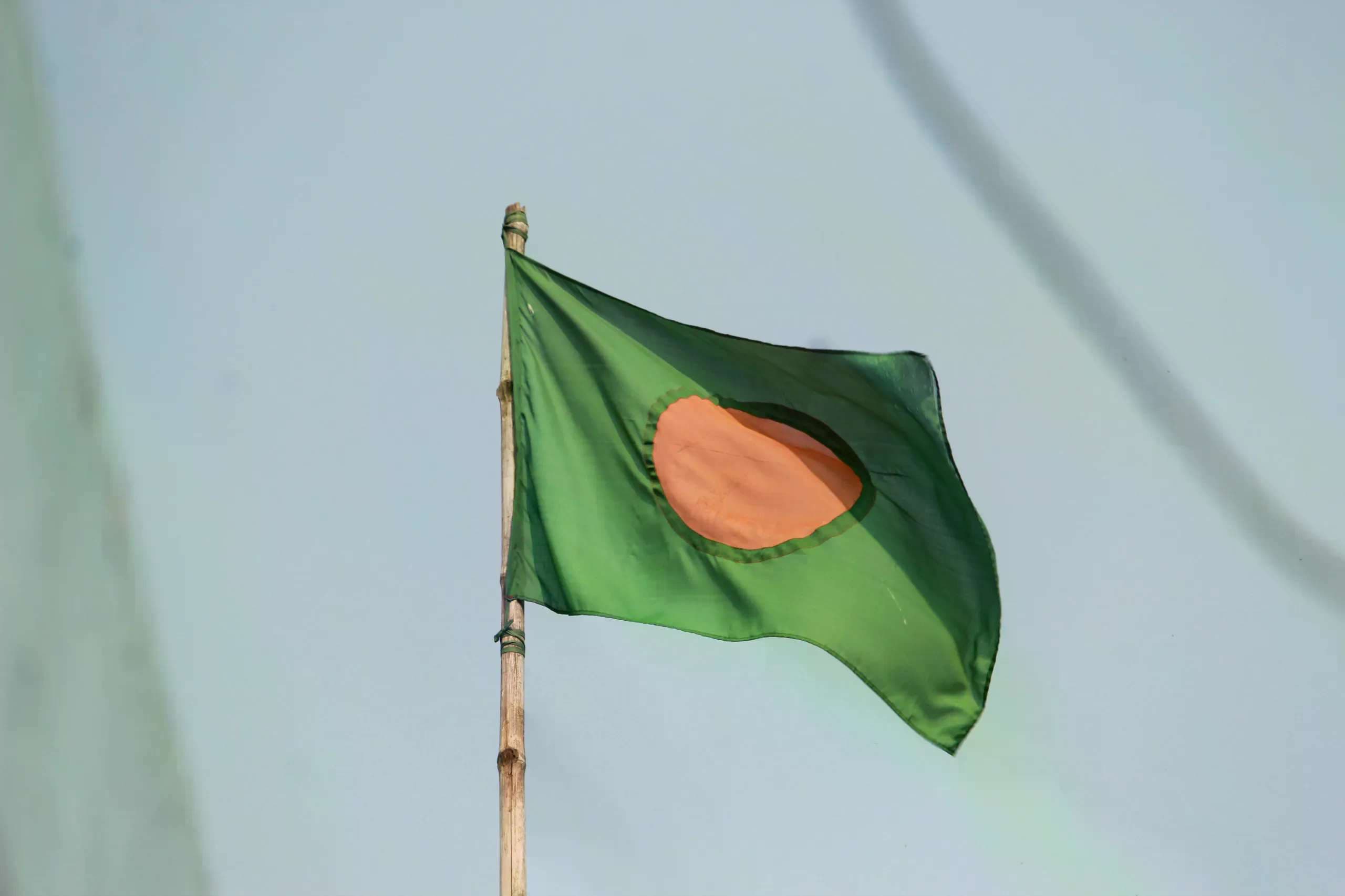
Christian leaders in Bangladesh welcomed the victory of the Bangladesh Nationalist Party (BNP) in the Feb. 12 parliamentary elections, expressing cautious hope that the new government will restore stability after months of unrest and attacks on minority communities in the Muslim-majority nation. They called on the incoming administration — led by now-Prime Minister Tarique Rahman, who has reportedly pledged to work for democracy — to safeguard minority rights, security, and equal treatment under the law.
The result marks the party’s return to power after nearly two decades. The contest was the country’s first competitive national election since a 2024 student-led uprising toppled former Prime Minister Sheikh Hasina’s 15-year rule. An interim government has led the South Asian nation since her ouster.
The BNP won 212 of the 300 directly elected parliamentary seats, while the country’s largest Islamic party, Jamaat-e-Islami, secured 77 seats, according to UCA News. The new cabinet was sworn in Feb. 17, and Rahman’s term will last five years. AP News reported that Rahman said shortly after his election victory that his priorities would be to ensure the country “remain[s] united and uphold[s] the will of the people.”
According to UCA News, several Christian groups — the Catholic Bishops’ Conference of Bangladesh (CBCB), the United Forum of Churches Bangladesh, and the Bangladesh Christian Association — congratulated the new government in Feb. 15 statements and expressed hope that it would promote communal harmony, justice, and dignity for all citizens.
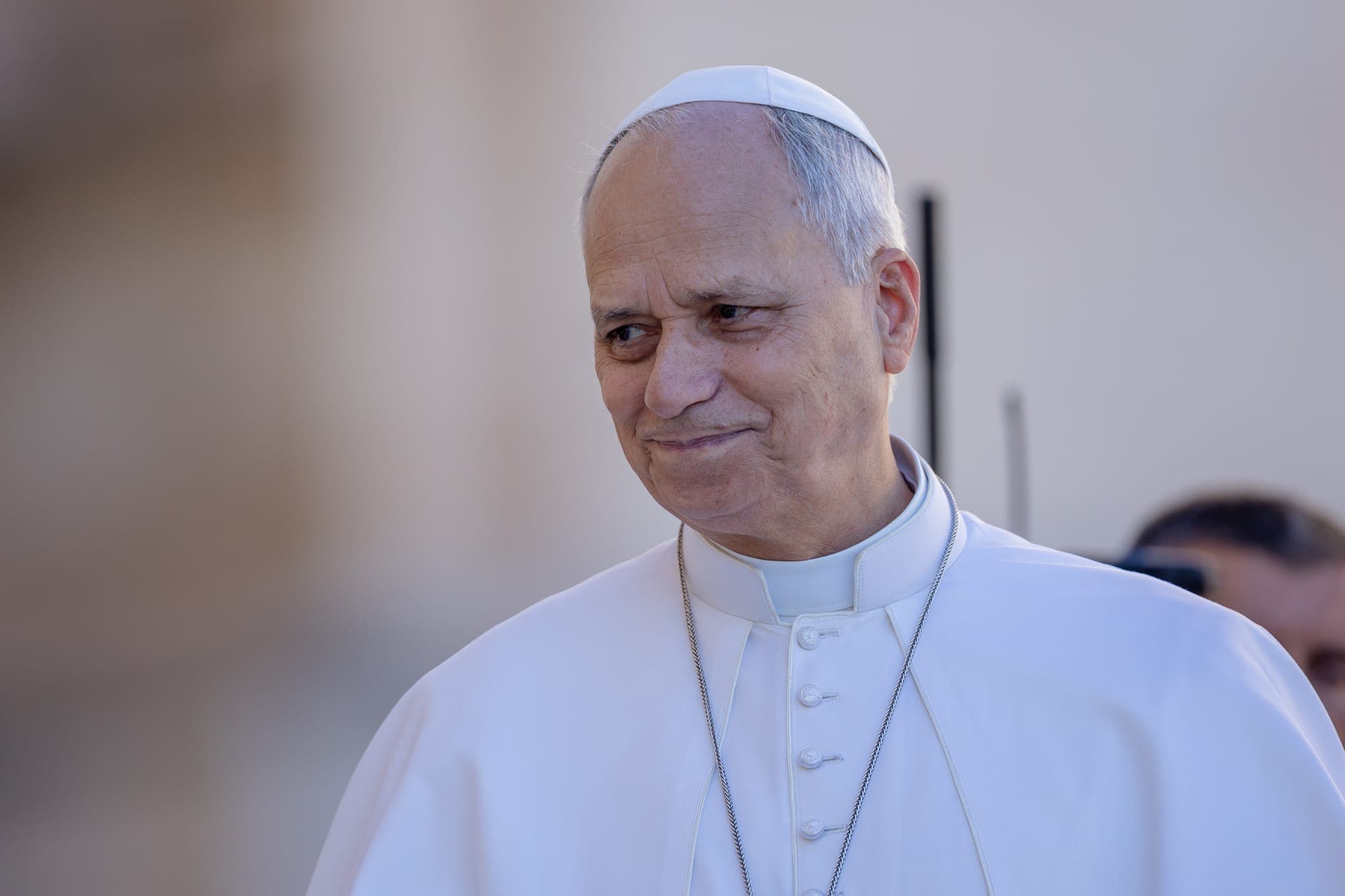
“After a long time, the people of the country have participated in exercising their right to vote in a spontaneous and festive atmosphere,” CBCB President Archbishop Bejoy N D’Cruze said, according to The Daily Star. “This is a matter of joy and hope for all of us.”
He added that the active participation of citizens strengthens democratic practices and can help build a more accountable state. While he described the election as peaceful, he told UCA News that there is still uncertainty in the country because of ongoing mob violence and attacks on religious institutions.
More than 90% of Bangladesh’s 172 million population is Muslim. Hindus make up roughly 8% of the population and Christians about 0.5%, UCA News reported.
Between August 2024 and November 2025, there were about 2,673 attacks on minorities, according to data from the Bangladesh Hindu Buddhist Christian Unity Council, UCA News reported.
The outlet listed several attacks on Catholic institutions in Dhaka, the country’s capital, in recent months. On Oct. 8, 2025, assailants reportedly threw crude bombs at Holy Rosary Catholic Church, the capital’s oldest church. Similar devices were thrown at St. Mary’s Cathedral Nov. 7, 2025, and at St. Joseph’s school the following day. Mobs have also pressured some Catholic schools to dismiss teachers whom they said supported Hasina’s now-banned Awami League party, which critics have accused of authoritarian rule. According to AP News, since her 2024 ouster, Hasina has lived in exile in India and has been convicted in Bangladesh of crimes against humanity due to hundreds of deaths during the uprising.
The United Forum of Churches Bangladesh thanked the interim government and election observers for organizing what it described as a free and fair election.
“As citizens like people of all other religious communities, we want this beloved Bangladesh to become a beautiful country free from corruption, humane, just, discrimination-free, and marked by communal harmony,” the group’s statement said, according to UCA News.
The outlet reported that the Bangladesh Christian Association said the new administration’s credibility will depend not only on economic reforms but also on its commitment to protecting justice and ensuring the rights of all citizens, regardless of faith.
.jpg&w=3840&q=75)


Comments